
What to Know About Safety Solutions for Aging Loved Ones
Women make up nearly 60% of all family caregivers in the United States, often taking on that responsibility alongside paid work, children, and their own health needs. Many step into the role without a solid picture of what safety products are currently available for aging relatives. The range of options has grown well beyond the basic alert buttons most people picture for senior care.
Getting a general overview before contacting any provider is a practical first move for most families. You can visit this website to see what a modern medical alert service includes, from GPS tracking to fall detection and monitoring available at all hours. Having that foundation makes it much easier to figure out what would truly fit your loved one’s daily life.
Recognizing When Safety Deserves More Attention
Most families wait for something to go wrong before starting a real conversation about senior safety. A fall, a hospital admission, or a worried call from a neighbor is often what finally opens the discussion. Making decisions under those circumstances means doing so under pressure, which rarely leads to the most thoughtful outcome.
Paying attention to early warning signs gives families more time to plan before any situation becomes an emergency. Some patterns worth watching for include:
- Difficulty rising from low chairs or sofas without help from another person
- Unexplained minor bruises or injuries your loved one cannot remember getting
- Missed medications or ongoing trouble keeping a consistent pill schedule
- Growing reluctance to drive or to spend time outside the home independently
These signs do not always point to an imminent crisis, but they are a good reason to start the conversation now rather than later.
The CDC reports that falls are the leading cause of injury-related death for U.S. adults aged 65 and older. Many of those falls happen at home during routine activities like bathing or getting up during the night. Spotting risk factors early gives families the time they need to make thoughtful, unhurried decisions together.
Types of Safety Tools Worth Knowing About
Senior safety products span a wide range of price points and degrees of family involvement. Home modifications are often the most accessible starting point and include grab bars near the shower, slip-resistant mats, and better lighting in hallways and on stairwells. These physical changes address real hazards in the spaces your loved one moves through every single day.
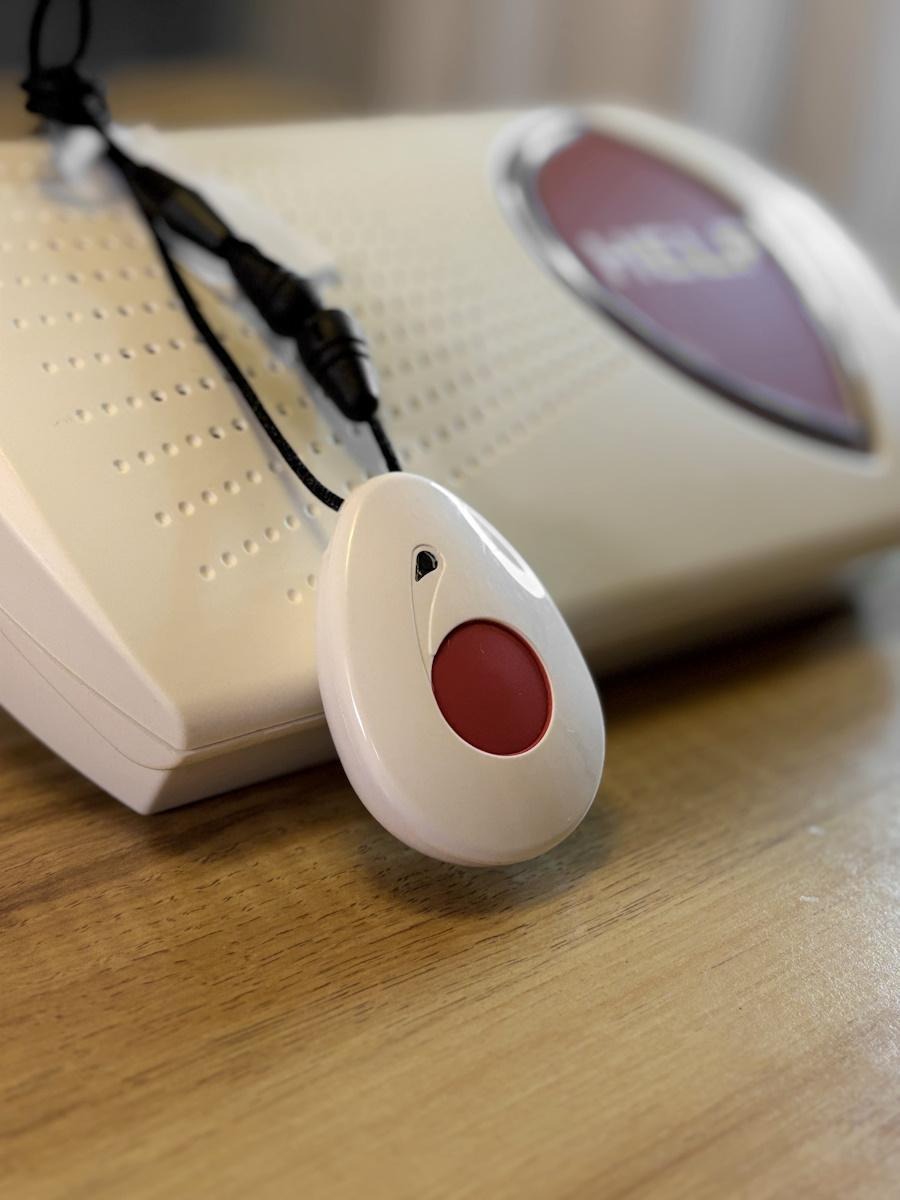
Medical alert systems offer a more direct form of help access, particularly for people who spend stretches of time at home alone. These wearable devices let someone request assistance at any time, even without a phone nearby. Newer versions include two-way voice communication, GPS tracking for outdoor use, and automatic fall detection that sends an alert without requiring any manual action from the user.
Medication management tools, such as automatic pill dispensers, address one of the most overlooked risks for aging adults at home. Smart home technology, including motion sensors and video doorbells, gives distant family members a way to stay informed without feeling intrusive. These tools can work well alongside a medical alert system as part of a broader approach to home safety.
What to Look for in a Medical Alert System
Fall detection, monitoring available at all hours, and GPS coverage are the features families most often compare when evaluating medical alert devices. These are also the categories where quality and reliability tend to differ the most between providers. Knowing what each feature delivers in practice makes the evaluation process much more straightforward.
Automatic fall detection uses built-in sensors to recognize a sudden impact or sharp drop in movement. This feature matters most for people who live alone and may be unable to press a button after a fall. A well-built system contacts a trained response agent right away to confirm whether emergency services are needed.
GPS connectivity makes a device useful well beyond the home, which matters for active seniors who go out on their own regularly. Checking that coverage works in the areas your loved one visits most is worth doing before committing to any provider. Response agents who are available at all hours, not just during the workday, are worth confirming as part of the evaluation process.
Battery life and physical comfort carry more weight in practice than they tend to on a product spec page. A device that feels bulky or uncomfortable tends to get left on a surface rather than worn through the day. Look for something lightweight that holds a consistent charge for at least 24 hours of regular wear.
How to Start the Conversation With Your Loved One
Many older adults feel that accepting a safety device signals a move toward losing control of their own life. Acknowledging that concern directly is more effective than responding with alarming statistics or worst-case scenarios. A calm, honest approach tends to open the conversation better than an urgent or worried tone does.
Framing the discussion around what your loved one wants to keep doing works better than leading with fears or risks. Saying something like “this lets you keep going to the market without me worrying about you” centers their independence rather than their limitations. That kind of framing makes the idea easier to hear without it feeling like a restriction being placed on them.
Giving them real input into the final decision also affects whether the device gets used consistently over time. Letting a parent compare a few options, choose a style that feels comfortable, or select a monitoring plan that matches their habits gives them ownership of the choice. People who feel included in that process are far more likely to wear the device without regular reminders.
Caregiver stress is real, and it often builds quietly without much outside acknowledgment. Tending to your own emotional health through this period is an active part of good caregiving, not a concern to defer. The National Institute on Aging also offers practical guidance on finding caregiver support, including local programs and respite options. How you show up for yourself shapes how present and patient you can be for the person you are supporting.
Making the Plan Before You Need It
Starting the process before a crisis arrives is the most practical step any family can take together. That means talking about preferences while there is still time to consider them, researching options without emergency pressure, and building a shared reference that anyone involved in care can access quickly. A plan made in advance is far easier to follow than one assembled in the middle of a stressful situation.
Write down the contact number for any monitoring service and the location of any wearable devices stored at home. Include a current list of your loved one’s medical providers, regular medications, and any known allergies. If care responsibilities are shared across siblings or other family members, clear documentation prevents gaps and avoids duplicated effort when it counts most.
Aging involves real transitions, and those transitions go more smoothly when there is a clear plan already in place. A decision made with your loved one’s input, while there is still time to think it through without pressure, gives them a real foundation to rely on. That foundation improves their chances of staying safely in the home and community they have always known. Getting started now, while the conversation is still unhurried, is one of the most meaningful things a caregiver can do.