
Sleeping Fire Hazards You Should Catch Before They Wake Up
We all want to feel at ease in our homes, but sometimes, it’s worth being mindful of the potential risks and periodically checking for them. Especially when the risks are as potentially catastrophic as a fire. Not all root causes of fire announce themselves; some of them build quietly over time until they catch just the spark that they need to ignite. Here, we’re going to look at some of those sleeping hazards you should be mindful of and the work you should do to prevent sudden fires in your home.
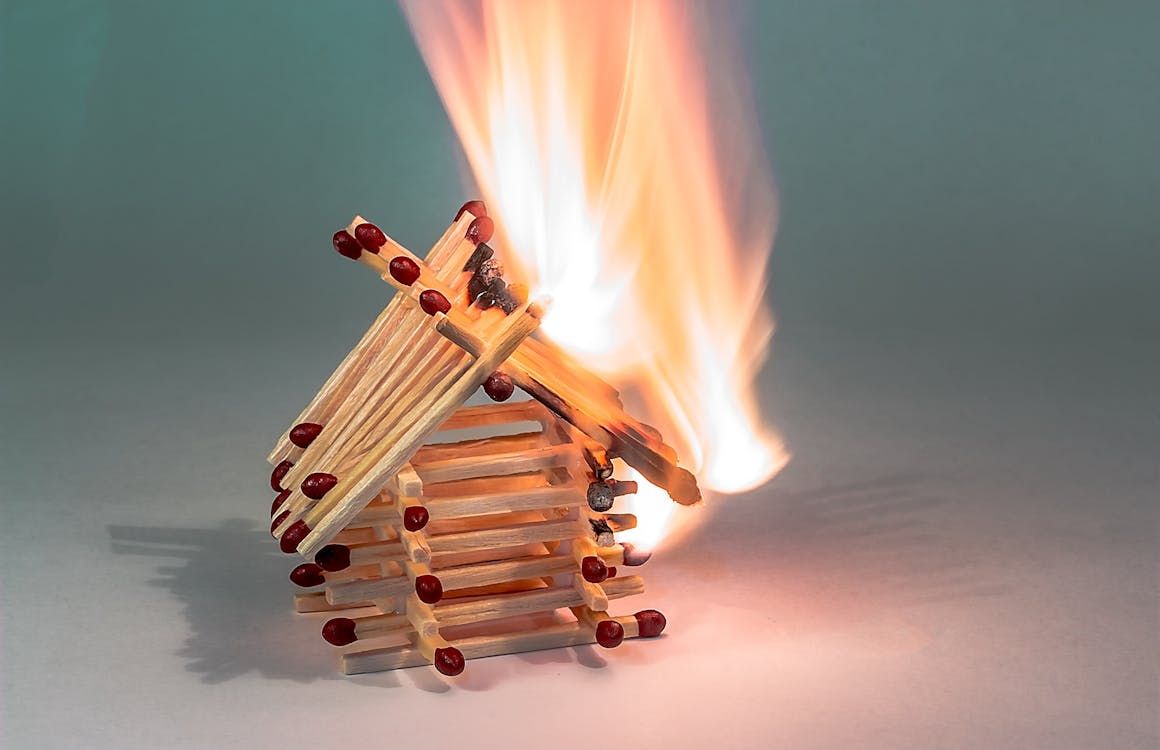
Most house fires do not start with something dramatic. They begin with small, ignored warning signs. A dusty vent. A buzzing appliance. A heater placed too close to fabric.
The good news is that many of these risks are easy to prevent. A few simple checks can protect your home and your peace of mind.
Dust In And Around Electronics
Although dust might seem relatively harmless, if not a touch unhygienic, the truth is that it is a lot more flammable than you might think. It gets even worse when it builds up inside computers, TVs, game consoles, and other electronics. There, it can trap the heat inside, causing components ot overheat, which can lead to either electrical failure or a fire. If your devices are running hotter than usual, you should unplug them and use compressed air or a microfiber brush to gently clean inside the vents and any accessible openings. You should also keep your electronics off of carpets and in enclosed cabinets where that heat can build up even quicker.
Aging And Faulty Appliances
Even when dust isn’t a factor, old and malfunctioning devices are still a significant fire risk. Keep an eye out for warning signs like frayed cords, unexpected buzzing sounds, or burning smells. If you notice any of those, you should unplug the affected electronic as soon as possible. These are more common in the most frequently used appliances, such as microwaves, refrigerators, TVs, and the like. Have your appliance inspected to see whether a fix or a replacement might be more appropriate. In some cases, even if you’re able to make a fix, an old appliance might just malfunction again before too long, making it more cost-effective to simply pick up a new one instead.
Overloaded Power Strips And Extension Cords
Staying within the realm of electronics for now, if you have too many devices plugged into a single outlet or power strip, you can easily overload the circuits, which can cause dangerous levels of heat. Electronics run on different wattages, and high-wattage items like heaters, microwaves, and hair dryers shouldn’t share strips with other electronics. If you feel warmth in your cords, then unplug the affected device as soon as you can. Be mindful of any flickering lights, which can signal much the same risk, as well. While you can use surge protectors to reduce the risk of overloads affecting your electronics, you should avoid unsafe practices like daisy-chaining multiple power strips together at all times.
Neglected Furnaces
The furnace is something that we expect to be dependable, consistent, and built to operate safely. That may be true when it works as expected. But like anything else, it can wear down over time. This is especially true after heavy use during the winter months. If you neglect your furnace, problems can build up inside the unit. Dust buildup, damaged heat exchangers, and faulty wiring can cause overheating.
These issues may even lead to dangerous combustion problems. Routine checks and maintenance once a year can help you identify if you’re in need of furnace repair, inspecting all the components to ensure they’re in good working order. Aside from reducing the fire risk associated with the furnace, you can also make sure that it’s running efficiently, saving you money in the meantime.
Portable Heaters Near Fabrics
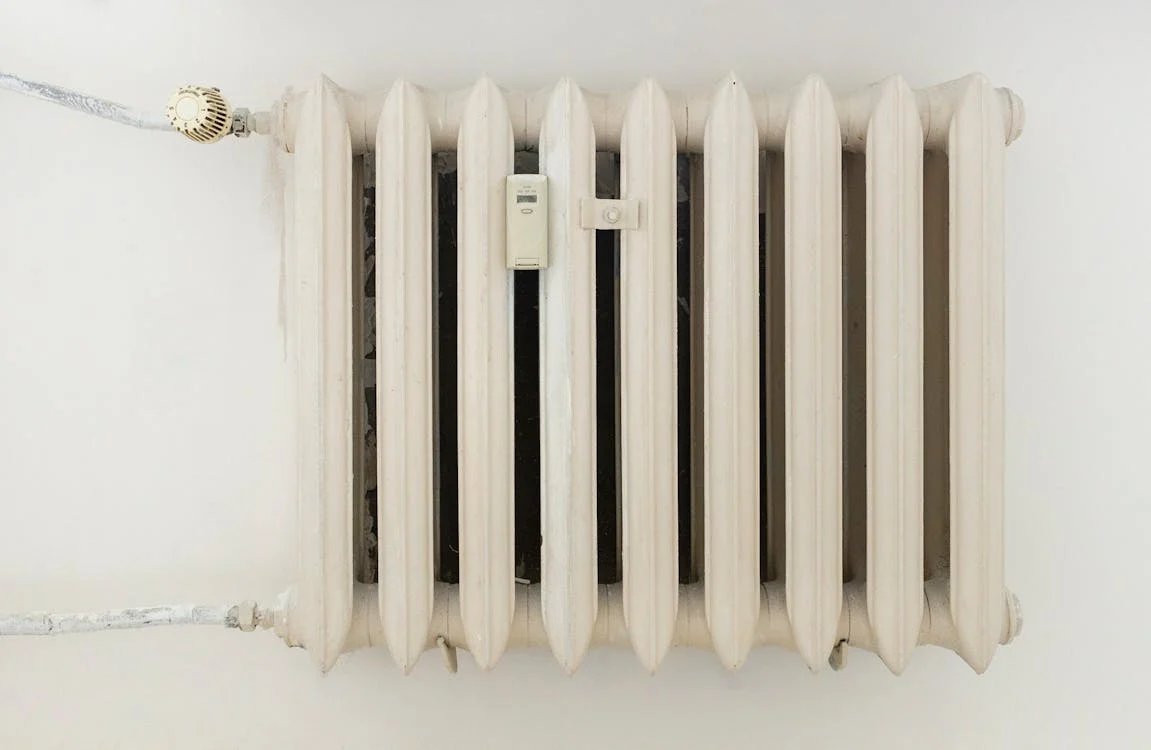
As convenient as portable space heaters can be, especially when winter reveals some real chilly spots in the home, they are also one of the more common causes of house fires. This is especially true when they’re placed near curtains, bedding, furniture, or clothing. Fabrics can ignite a lot faster than you think when they’re exposed to prolonged heat, and if you leave heaters unattended or running overnight, the risk multiplies even more. You should try to maintain around three feet of clearance around portable heaters at all times, and if you’re buying any new models, make sure they have automatic shutoff features that ensure they don’t stay running if they’re tipped over. The safe positioning and mindful use of space heaters is crucial to making them a safe part of the home.
Clogged Vents
The vents throughout the home manage the airflow within, helping you maintain good air quality. However, as air flows through those vents, they can capture dust and debris, eventually becoming clogged. This makes them less effective at doing their job. It also turns them into a serious fire risk. The danger is even higher for vents connected to dryers and AC units. Built-up debris can cause parts inside these appliances to overheat.
Lint traps are designed to catch this debris, but the particles that get through them accumulate over time. Clean your lint filter and inspect your vents at least once a month. Then, once a year, disconnect and thoroughly clean vent lines to ensure their smooth operation.
Forgotten Flammable Storage
Storage spaces often become places where forgotten items sit for months or even years.
Do not let that happen with flammable items like gasoline, paint thinner, cleaning chemicals, or propane tanks. If you must store them, check them regularly to make sure the seals are tight.
Always keep these items in a well-ventilated area away from heat sources.
Avoid storing fabrics, cardboard, and other flammable items near heat sources, water heaters, or electrical panels. Most importantly, take the time to declutter your garage and storage spaces on a more regular basis to ensure that you’re not slowly gathering all the materials needed to feed a raging fire.
Before you move on, take a minute to run through this quick home safety checklist. These small checks can help you catch problems before they turn into emergencies.
Quick Home Fire Safety Checklist
- Clean dust from electronics and vents.
- Keep appliances off carpets and away from enclosed spaces.
- Replace frayed or damaged cords immediately.
- Avoid overloading outlets or power strips.
- Keep space heaters at least three feet from fabrics.
- Clean lint traps and inspect dryer vents monthly.
- Schedule yearly furnace maintenance.
- Store gasoline, chemicals, and propane in ventilated areas.
- Declutter garages and storage spaces regularly.
Fire prevention isn’t about being paranoid about every potential fire risk in the home. It means being mindful enough to check your home from time to time. Take small steps to reduce risk. Stay on top of regular maintenance. These simple habits help keep your home safer all year long.