
Improve Your Home With the Touch of Art: A How-to Guide
Every home tells a story through the items placed on its shelves and the colors on its walls. Blank spaces often feel cold or unfinished, yet filling them with intention changes the entire energy of a room. You do not need a massive budget to turn a house into a personal sanctuary. Small changes in how you display creativity can make your living space feel more curated and thoughtful.
Define Your Personal Aesthetic
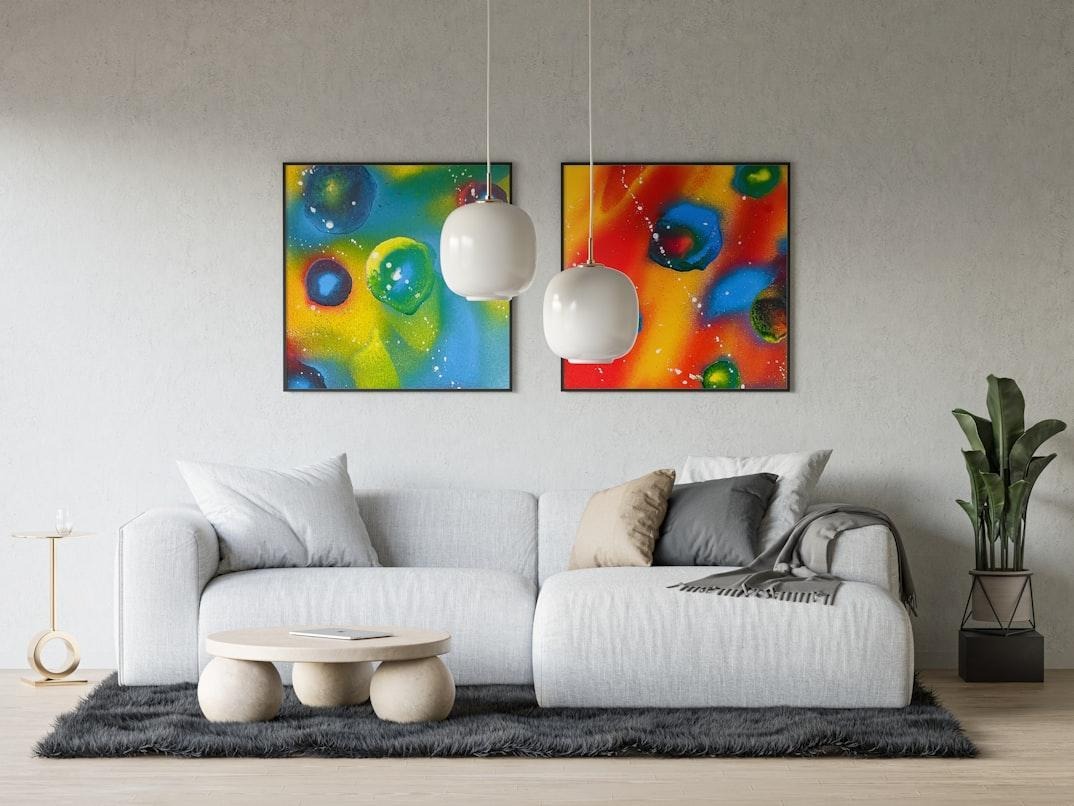
Before buying a single frame, think about the atmosphere you want to create. Some people love the energy of bright colors, while others find peace in neutral tones and soft textures. A recent report noted the home decor market is expected to reach $682.53 billion by 2026. This growth shows that more people are investing in their surroundings to reflect their unique personalities.
Choosing pieces that resonate with you is better than following a fad. If a painting makes you smile, or a sculpture reminds you of a trip, it belongs in your home. Your walls should be a mirror of your life and the things you value most.
Choosing the Right Medium
Not all art involves paint on a canvas. Modern homes often feature a mix of materials like wood, metal, and glass to add depth to a room. Photography is a powerful way to capture a moment or a feeling without needing a brush. Data indicates that 62% of homeowners prefer photography when selecting new wall art for their spaces.
Landscapes are a top choice for those looking to bring a sense of nature indoors. High-quality coastal artwork for your home can provide a calming focal point in a busy living area. Many people find that images of the ocean or shorelines help reduce stress after a long day. Mixing different media helps a room feel more dynamic and less like a showroom.
Focus on Texture
Texture is an often-overlooked element of home design. A flat wall can be transformed with a woven wall hanging or a 3D wood installation. These pieces catch the light differently throughout the day and create shadows that add character to the room. When you mix textures, the space feels more organic and comfortable.
Master the Art of Placement
Where you hang a piece is just as vital as the piece itself. A common mistake is hanging frames too high, which forces the eye to strain upward. Aim for eye level, which is usually around 145 to 152 centimeters from the floor to the center of the image.
- Group smaller items together to create a gallery wall effect.
- Use a large statement piece to anchor a dining room or bedhead.
- Leave enough white space around frames so the wall does not look cluttered.
- Match the scale of the art to the size of the furniture below it.
If you have a large sofa, a tiny picture hanging above it will look lost. Try to find a piece that covers about two-thirds of the width of the furniture piece. This creates a balanced look that feels intentional and professional.
Creating a Gallery Wall
A gallery wall is a fantastic way to display multiple pieces of different sizes. You can mix family photos with professional prints and even small objects like vintage keys or mirrors. Lay everything out on the floor first to find the best arrangement before you start making holes in the wall.
Spacing is the secret to a successful gallery. Keep about 5 to 8 centimeters between each frame for a cohesive look. If the gaps are too wide, the collection will look like random items scattered around. If they are too close, it might feel cramped.
Lighting and Final Touches
Proper lighting can make a cheap print look like a masterpiece. Natural light is great during the day, but you need dedicated lamps or track lighting for the evening. Avoid direct sunlight on delicate papers to prevent fading over time. Using dimmable lights allows you to change the mood of the room instantly.
Once your main pieces are up, look at the smaller details. Sculptures on coffee tables or interesting textiles draped over chairs add layers to the design. These items bridge the gap between the walls and the furniture. When everything works together, the house feels cohesive and finished.
Rotating Your Collection
You do not have to keep the same items on your walls forever. Some people enjoy changing their decor with the seasons to keep the home feeling fresh. Lighter, airy pieces work well in summer, while moodier and darker tones fit the winter months perfectly.
Rotating your collection also allows you to buy new things without cluttering your space. You can store pieces in a closet and bring them back out when you need a change. This keeps your home environment exciting and prevents you from becoming “blind” to the beauty around you.
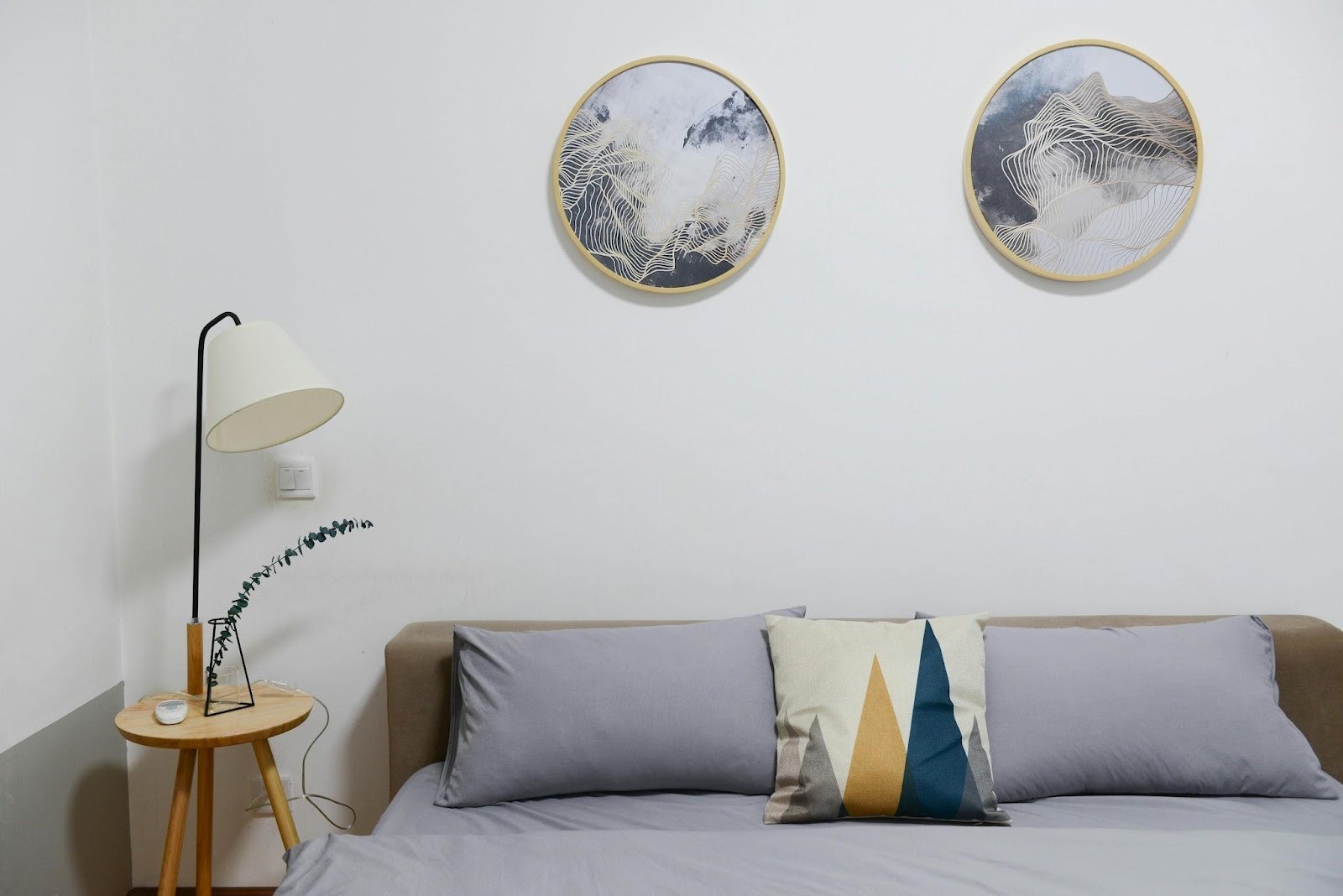
Designing a home is a journey that never truly ends. As you grow and change, your space should evolve along with you. Replacing an old print or rearranging a shelf can provide a fresh perspective on a room you see every day. There are no strict rules when it comes to personal expression. Trust your instincts and surround yourself with things that bring you joy. When you walk through your front door, you should feel a sense of belonging and pride in the environment you built.