
5 Signs Your Home Driveway Has Water Problems
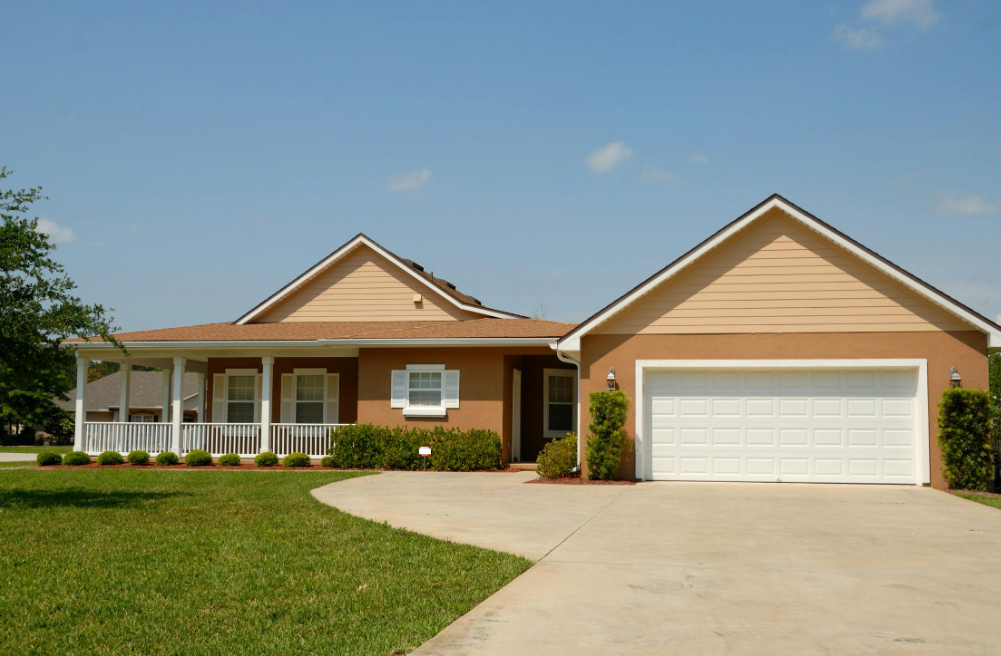
Water-related issues can happen in many different areas of the home. It could be a kitchen faucet that drips or slow drainage in the driveway. This guide focuses on the ones that tend to happen in the driveway. Once you know the most common signs of water problems in your driveway, as explained below, you can act quickly to solve them. A fast response is important to prevent water damage from worsening and, in turn, to avoid costly repairs over time. Even if there aren’t any problems, having a proper drainage system in place prevents future damage, making it an essential next step.
Why Poor Driveway Drainage is Serious
When water doesn’t flow away from the house as it should, drainage issues can happen. Take pools of water, for example. The stagnant water can weaken the driveway. It is also a safety hazard; you or someone else could slip and fall on the wet ground.
If you let that go on without doing anything to fix it, excess water can also cause cracks and weaken the surface of the driveway. You may then have to repair or even fully replace the concrete, asphalt, or other material that your driveway is made of. That’s an added expense you likely planned for.
Here’s more about the common signs that your driveway has water problems:
Sign #1: Pools of Water
One of the most obvious signs of a driveway drainage problem is pooling water. When water stays on your driveway for hours or days after the rain stops, it usually indicates the surface is not properly sloped, or there is no drainage. Why? Because it’s not going anywhere. You may even notice water on the floor of your basement or garage.
Sign #2: Cracks
Cracks in the driveway could mean water is leaking below the concrete or other material. When moisture does so, it rodes the supporting material and causes the pavement to separate and shift. Over time, those cracks can get wider. Unfortunately, there’s more space for water to seep inside.
Sign #3: Decaying Edges and Stains
You may also notice that the driveway’s edges are crumbling, which can worsen every time there’s a heavy rainfall. That can lead to uneven sections and sunken areas of the driveway. The edges of the concrete or asphalt may also be darker than the rest of the surface. This staining is an early sign that drainage improvements are needed, or the issue will worsen.
Sign #4: Wet Driveway on a Dry Day
A driveway that’s wet long after the rain stopped is problematic. It often means there’s water in the driveway material. Why hasn’t the water been carried away? It could be because of bad drainage or a slope facing the wrong way. A driveway that stays wet will get moldy. You might also see moss and algae. Watch out when walking in this area, as it’ll be slippery in addition to looking bad, and you don’t want to fall.
Sign #5: Nearby Grading
The grading around your driveway affects how water flows when it rains (and afterward). If there is a sloping lawn or soil (graded toward the driveway), the rain will naturally flow onto the pavement instead of away from it. That can overwhelm your driveway’s existing drainage system, leading to pooling and erosion, which can weaken your home’s foundation over time.
Solving Driveway Water Problems
So, what to do? Depending on the issue, your family’s needs, and other factors, the solutions may include installing drains, sealing and repairing cracks, and improving grading and slope. For example, changing the soil in a nearby garden so it slopes away from the driveway instead of toward it reduces the chances of water pooling.
Correcting grading issues can also involve adding proper drainage. With several drainage system types, choosing the right channel drain based on this comprehensive guide is essential. The correct one directs water away from the driveway, garage, garden, and home to prevent costly problems.
Experts in driveway channel drains understand the different widths and materials for different needs. They offer the best quality to protect your property and prevent the consequences of poor drainage.
How to Stay Ahead of Driveway Water Problems
Understanding whether your home driveway has water issues involves taking a look at it regularly and watching for specific things. Watch how water runs after the rain, for example. Does it pool on the surface? Is the driveway wet for days afterward? Thankfully, many drainage problems can be solved. Improving grading and slope, and installing the right drains are popular, effective approaches.
To help prevent future issues, take care to maintain drains and gutters, which involves cleaning them. Finally, take time to inspect your driveway throughout the year for cracks, pooling water, and other issues described earlier.