
How to Stay Safe During Outdoor Adventures in Utah
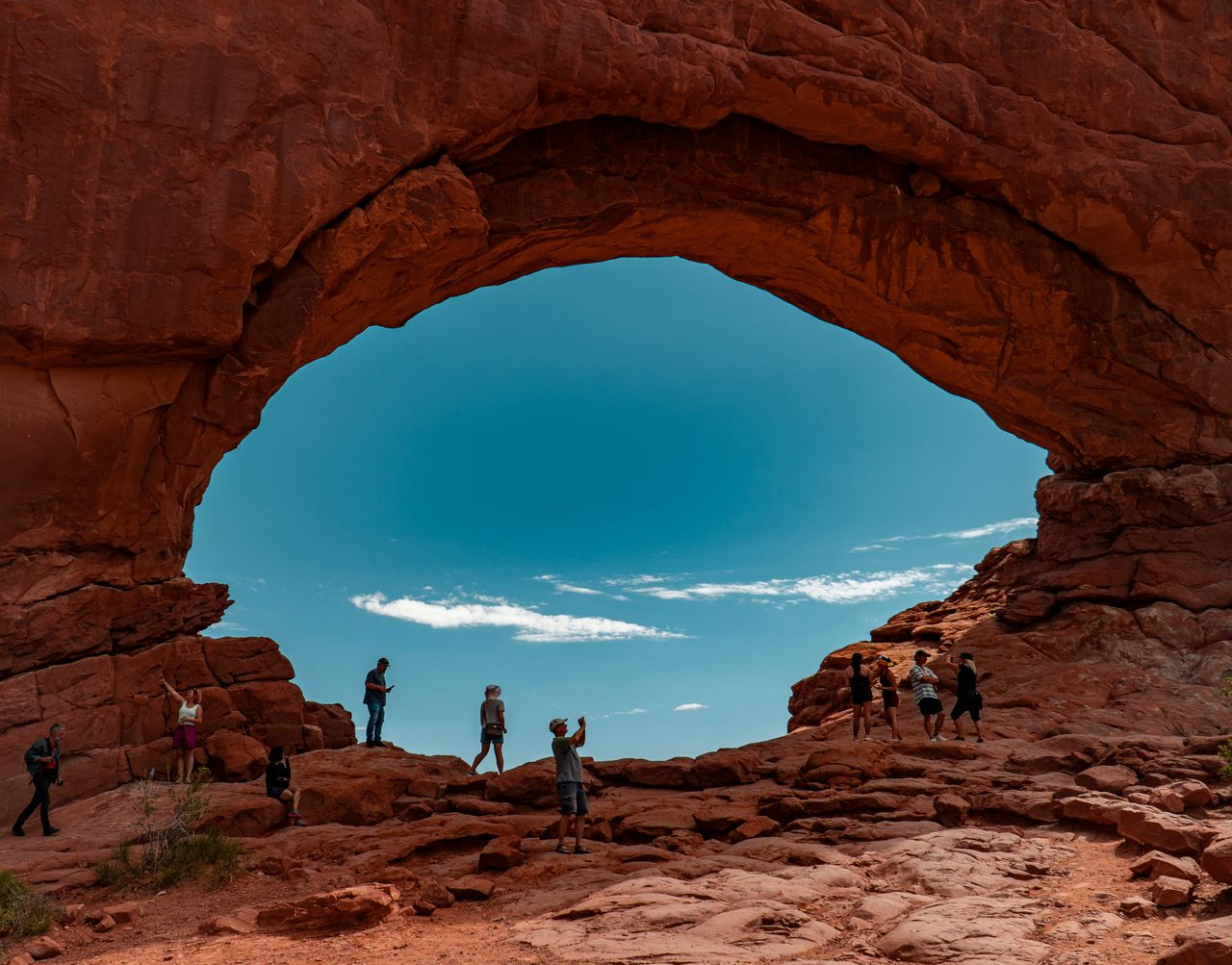
Utah spans desert canyons in the south and alpine ranges in the north, with elevations ranging from about 2,200 feet near St. George to over 13,000 feet in the Uintas. The state holds five national parks, and summer temperatures in southern Utah regularly pass 100 degrees Fahrenheit. That range means a single trip can move you through very different hazards.
Staying safe outdoors in Utah comes down to three habits: check conditions before you leave, carry more water than you think you need, and inform someone your plan. Most rescues here involve people who skipped one of those.
Anyone reading a Utah outdoor adventure blog for trip ideas should pair those routes with current conditions from land managers, since trails, roads, and water sources change season to season.
Water Is the Biggest Desert Risk
Southern Utah parks have almost no reliable water on trail. Rangers commonly advise a gallon per person per day in summer heat. Start hikes early, rest through midday, and turn around when you have used half your water.
What Weather Hazards Should You Expect?
Conditions shift fast across the state, and the danger depends on where you are.
- Flash floods: monsoon season runs roughly July through September and can fill slot canyons under clear local skies
- Lightning: afternoon thunderstorms are common on exposed alpine ridges
- Heat: desert surface temperatures climb well above air temperature
- Winter cold: high elevation trailheads stay snowbound into late spring
Navigation Without Cell Service
Coverage disappears across most canyon country and backcountry ranges. Download offline maps before you leave town, and carry a paper map as backup. A satellite messenger is worth the cost for solo or remote trips.
Tell Someone Your Plan
Leave your route, vehicle description, and expected return time with a person who will notice if you are late. Sign trailhead registers where they exist. Search efforts start much faster when responders know where to look.
Gear That Earns Its Weight
A useful Utah outdoor adventure blog packing list stays short and practical rather than exhaustive.
- Water plus electrolytes
- Sun hat, sunglasses, and high SPF sunscreen
- Headlamp with spare batteries
- First aid kit and blister supplies
- Extra insulating layer, even in summer
- Offline maps or GPS device
Respect Permits and Closures
Several popular areas limit access. Angels Landing in Zion requires a permit through a seasonal lottery, and canyoneering routes need separate permits. Check the managing agency site before you drive out, since closures happen for weather, wildlife, and trail damage.
Steps to Take Before Any Trip
Solid prep takes under an hour and prevents most common problems. Work through these steps in order.
- Check the National Weather Service forecast for your exact trailhead, not the nearest city.
- Confirm permits, road status, and closures with the park or forest office.
- Download offline maps and mark water sources and exit points.
- Pack water, sun protection, layers, and a headlamp before anything optional.
- Share your route and return time with a reliable contact.
- Set a turnaround time and hold to it regardless of progress.
Key Takeaways
- Carry about a gallon of water per person per day in summer heat.
- Avoid slot canyons during monsoon season, July through September.
- Cell service is unreliable across most Utah backcountry.
- Download offline maps and carry a paper backup.
- Leave your route and return time with someone at home.
Utah’s landscapes are beautiful, but they require respect and preparation. Conditions can change quickly, even on familiar routes. Check official information, carry the appropriate gear, and be willing to change your plans. Turning around when conditions become unsafe is always the right decision.