
How Education Systems Preserve Student Information

It’s very important for an educational institution to focus on preserving student information to the best of its capabilities. Due to cybersecurity and other similar issues, that has certainly become more challenging. But with the right approach and tools, it makes sense to focus specifically on growth and on getting access to the right systems that will help preserve student information. That’s especially true in the context of online privacy, GDPR and a variety of other things, too.
Student information is very important
At some point or another, students will need access to the info offered by educational systems. Maybe they need to process a transfer, get a scholarship, apply for a job or university, show course completion and so on. All of those things matter, and it’s imperative to highlight the possible challenges and issues that do arise from time to time.
What type of student info is preserved by educational institutions?
Every institution tends to preserve different info, depending on its requirements and legal aspects. But the important thing to note here is that most universities and educational institutions will preserve academic performance, attendance, course completion, graduation requirements, processing transfers, verifying educational credentials, awarding scholarships, confirming qualifications for employers, all of that stuff can convey a much better outcome than you expect.
Personal information is crucial because they do want to have info about the person, be it contact details, date of birth, emergency contacts and so on. It’s important just in case you have to get in touch with that person. The academic records mentioned above are a major part of the process, too. Attendance records and assessment results might not seem like something innately necessary, but a lot of the time, they will need to be in there as well. The assessment data helps evaluate student learning and also informs instructional planning.
For a lot of time, schools had to store student records in paper folders. But it was cumbersome and you also had very limited space to work with. These days, it’s a lot easier since you have student information systems. It leads to a way more cohesive and consistent system, and it can help deliver a much better outcome than you expect, which is exactly what matters in a situation like this.
Secure databases
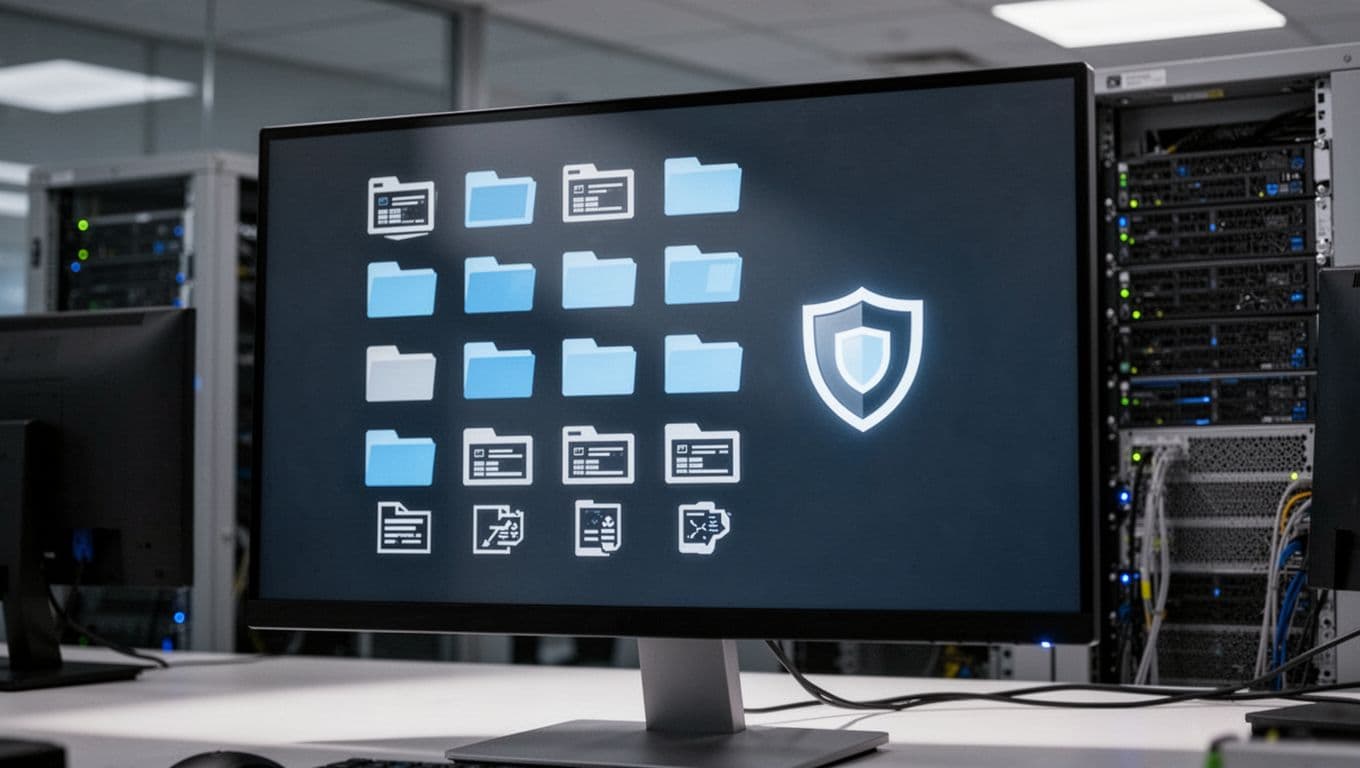
Security is crucial when we talk about student data. And that’s the thing, you always want the data to be accurate, to the point and secure. Hence the reason you want to have password protection, user authentication systems, activity logs, access controls, automatic backups and so on. All of those systems make sure that only the authorized people are able to modify or view the student records. Having such a system in place helps more than expected, and it gives you the much-needed value that you are looking for in a situation like this.
Cloud backup and storage
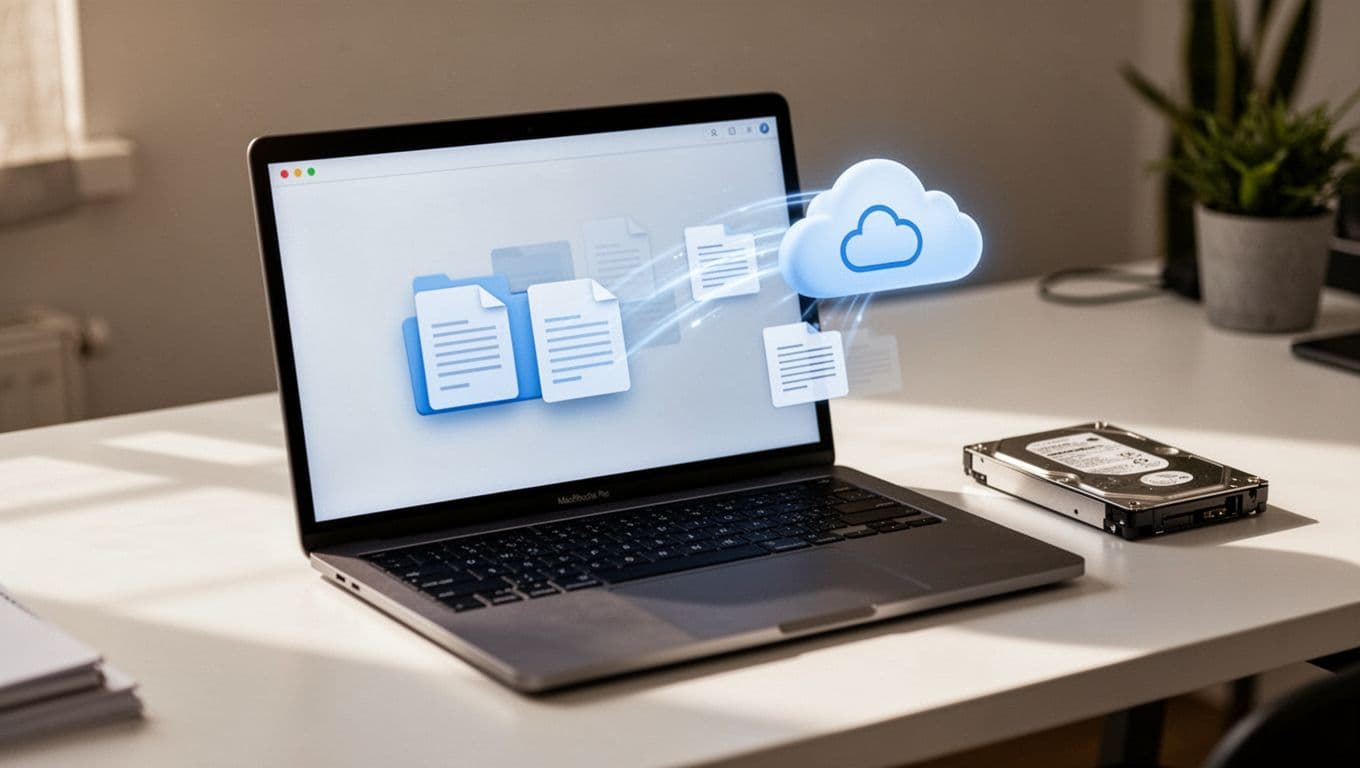
A lot of schools these days are using secure cloud-based solutions as the means to store student information. Cloud systems are great in the modern day because they are meant to offer automated backups, scalable storage, disaster recovery features, remote access and also the hardware maintenance requirements are reduced quite a bit. For example, even if the local systems of the school are dealing with issues, then you will be able to access the cloud-based copy. It’s effective, and it can be a solid alternative just in case things go wrong.
Data security measures
One of the main reasons to buy high school transcripts is because digitalization has become way more effective these days. Digital systems offer encryption, but also multi-factor authentication and role-based access. You will find it much easier to protect all the information. On top of that, the approach is better since you have an exceptional return on investment. It’s a great solution to say the least, and it can help convey a much better outcome than you expect.
Legal compliance
Educational systems are also forced from a legal standpoint to comply with various regulations. Sure, each country has their own requirements, and you have to know those by heart. Understanding those is crucial, as you want to know how the student info is supposed to be shared and stored or even collected. Compliance with these rules will help more than expected, and it can eliminate a lot of potential issues.
Record retention policies
There are also record retention policies these days as well. schools will not keep every document forever. Instead, they will follow retention policies which clearly specify how long the different types of information are preserved. Retention periods will vary based on the institution, educational regulation, national law and other things of that nature.

Access to records after graduation
Preserving records after graduation is necessary, because people might need those educational documents for a variety of things. For example, you might need them to apply for a scholarship, for immigration, professional licensing, employment, graduate school applications and college admissions. Schools will preserve key academic records for a very long time.
The reason for keeping these records accessible can depend on what you need them for. Immigration applications may require educational documents as part of a larger collection of records. When schools keep those records accessible, former students can provide the information an application requests. If you are unsure which documents apply to your circumstances, an immigration attorney can explain the legal requirements. An attorney can also help you identify the information you may need to provide. This is one reason to keep important educational records accessible long after a student leaves school.
Disaster recovery planning
Disaster recovery planning is also a thing that you need to keep in mind as an educational institution. It’s the reason why many of these institutions are using off-site backups, cloud storage, redundant servers, data recovery procedures and they even have emergency communication systems. These are measures that help preserve records during natural disasters, hardware failures or cyber attacks. Of course, it’s imperative to work with a professional in this niche, so everything is set up appropriately and in a cohesive manner, just to be on the safe side.
Conclusion
There’s no denying that preserving educational information pertaining to students is extremely important. But a lot of the time, the timeline will vary based on the educational institution, country and legalities. Still, it makes sense to educate yourself about all of this, as it could help you better understand how to approach the situation in case you need to recover a copy of these documents. In general, having a copy made is better since it removes issues, and it gives you a way more consistent result.