
Mastering Structural Human Geometry For Accurate Clinical Evaluations
Understanding the way the human body fits together is the first step in any medical checkup. Doctors and therapists use these physical patterns to spot where things might be going wrong.
Precise measurements help professionals create better plans for recovery. When the math behind the movement is right, the patient gets better results faster.
The Foundation Of Clinical Assessment
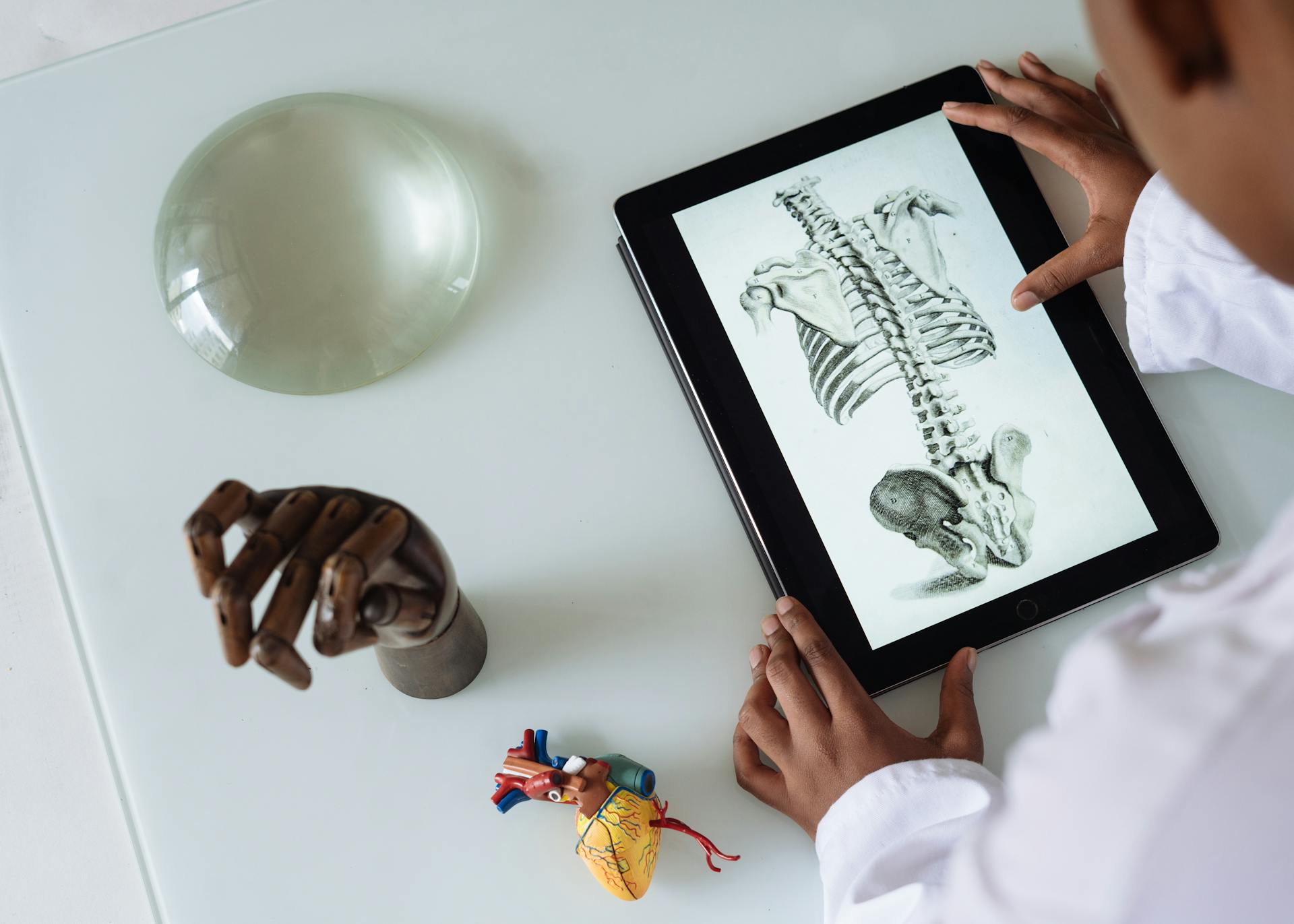
Body geometry refers to the way bones and joints stack together. Seeing these lines clearly helps you understand how a person stands or moves. Small shifts in posture can signal bigger issues deep inside the muscles.
Clinicians look for symmetry between the left and right sides. If one shoulder sits 2 inches higher than the other, it tells a story about hidden tension. This visual check is often the starting point for a deeper look.
Physical tests rely on these visible markers to stay accurate. Learning to see the body as a set of connected parts makes the whole process smoother. It allows for a clearer view of what needs fixing.
Standardizing The Starting Point
Every evaluation needs a reliable home base to compare against later. Without a set standard, it is hard to tell if a patient is making progress. This baseline keeps everyone on the same page during the treatment journey.
Consistent results start with a universal reference point for every patient. Clinicians who take a course such as a Brookbush Institute anatomical position course online gain the skills needed to use these frames of reference correctly. This step makes sure every measurement aligns with standard medical protocols, which keeps data clean.
Standardizing your view reduces errors during a busy workday. It saves time when you don’t have to guess about a patient’s posture. Solid foundations lead to better clinical choices every single time.
Modeling The Body As A Rigid System
Thinking of limbs as geometric shapes helps clarify complex motions. One study published in MDPI suggests that viewing the human arm as a spatial rigid-body system turns posture checks into a math problem.
By using these rigid models, experts can predict where a joint might fail under stress. It provides a blueprint for how the body should ideally function. This approach removes the guesswork from traditional movement tests.
Calculations based on these systems are often more reliable than just watching a person walk. They give hard data that supports a clinical diagnosis. Using physics in the clinic brings a new level of precision to the table.
Digital Tools And Accuracy
Technology is changing the way we look at human structures every day. A 2024 paper found that pairing artificial intelligence with medical images makes it much faster to build 3D models of a person’s anatomy. These digital recreations are accurate and save a lot of time for the staff.
Using 3D tools allows for a deeper look at how bones interact under the skin. It gives a 360-degree view that a simple eye test could never match. These models help in planning surgeries or designing custom braces for patients.
Portable scanning tools are another way clinics cut down the time spent on routine checks. Bladder scanners let a nurse measure how much urine remains in the bladder without a catheter, providing a reading in under a minute at the bedside. That quick number helps staff decide whether a patient needs draining before the problem gets worse.
Speed is a major factor when dealing with many patients in a single afternoon. Automation handles the heavy lifting of mapping out the body. This leaves more time for the clinician to focus on the person in front of them.
Imaging And Modern Mapping
High-tech scans now offer a way to see probability maps of internal structures. Research from 2026 highlights a model with 6 stages that processes data from CT and PET scans. This system produces detailed maps that show exactly where certain tissues are located.
Having these maps helps doctors avoid mistakes during sensitive procedures. They can see exactly where a problem area begins and ends – a major step for modern medicine. This level of detail helps reduce risks for the patient.
Patients feel safer since they know their doctor has a clear map of their body. It builds trust in the treatment plan. Clear data leads to better outcomes and fewer surprises.
Practical Tips For Movement Analysis
Watching a person move is a key part of the job. You should look for fluid motions without any hitches or sudden stops. Here are some things to keep in mind:
- Check for smooth transitions between sitting and standing.
- Watch the way the feet strike the ground during a walk.
- Look for any guarding or favor shown to one side of the body.
- Measure the range of motion in the hips and knees.
These small details add up to a big picture of physical health. Noticing a tiny limp early can prevent a major injury later. It is all about catching the small shifts before they become big problems – preventing pain later.

Training your eyes to see these patterns takes time and practice. Using a checklist can help keep your evaluations consistent. Small habits in the clinic lead to high-quality care for every patient.
Mastering the way the body fits together is a journey that pays off in the clinic. Precise evaluations lead to better recovery times and happier patients.
When you understand the math of movement, you provide a higher level of care. Keep practicing these skills to stay at the top of your field.