
A Guide To Creating A More Supportive Dental Routine For Special Needs
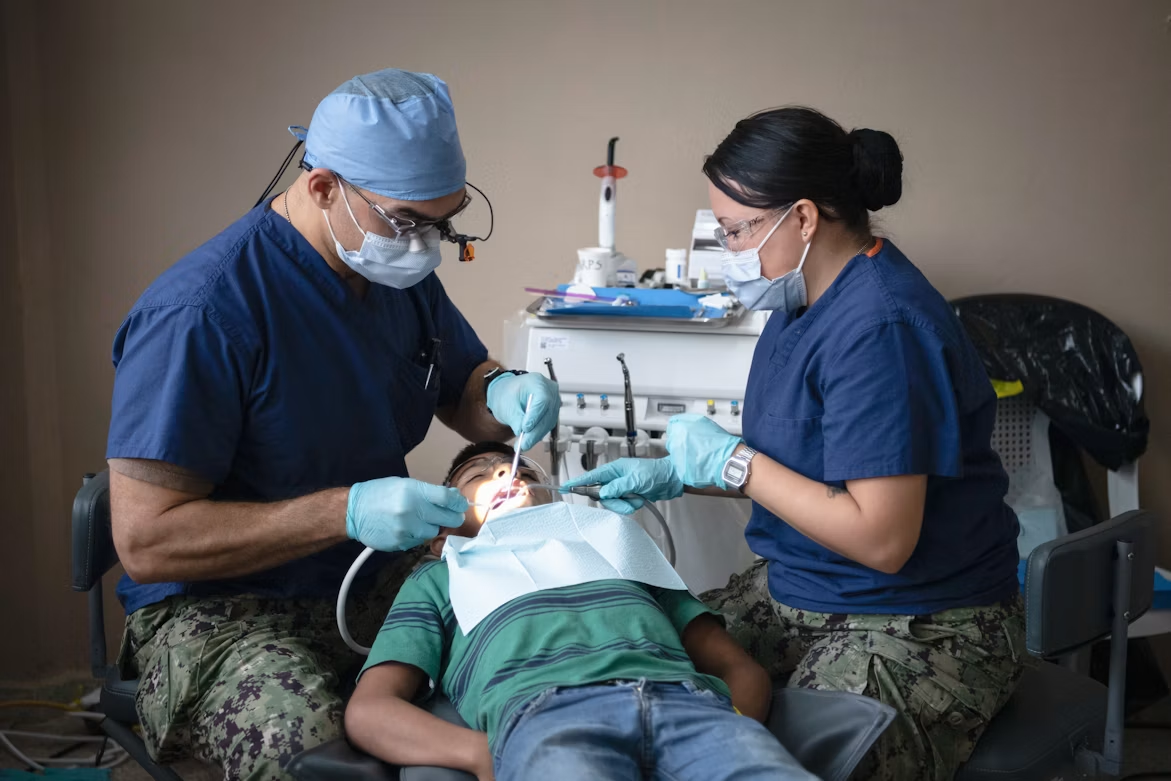
Caregiving requires patience, practical solutions, and plenty of heart to turn daily hurdles into victorious moments. Managing oral health often brings unique sensory challenges and emotional stress for busy families. Building a calm home routine transforms toothbrushing from a tense power struggle into a comforting daily ritual.
Establishing Predictability and Structure
Routine brings comfort and confidence to daily personal care. Learning more about Special needs dentistry helps families build gentle strategies that fit individual comfort levels. Maintaining a consistent daily schedule reduces fear of the unknown during morning and evening routines. Fixed daily times for brushing and flossing establish a predictable rhythm so children know what to expect.
Visual tools offer clarity when spoken instructions feel overwhelming. Picture cards and visual schedules provide a clear step-by-step guide that children with autism follow with ease. Breaking down multi-step tasks into digestible visual prompts keeps toothbrushing manageable and peaceful.
- Using picture boards mounted next to the bathroom mirror
- Setting gentle sand timers to mark brushing duration visually
- Demonstrating brushing steps on a favorite stuffed animal
- Offering verbal encouragement after completing each visual step
Adapting Tools for Sensory Comfort
Sensory sensitivities turn standard toothpaste textures and strong mint flavors into overwhelming experiences. Swapping intense flavors for mild options creates a soothing environment. Products labeled low-foaming or SLS-free reduce that bubbly, tingly feeling some people dislike.
Choosing soft-bristled brushes protects sensitive gums and offers thorough cleaning. Warming brush bristles under warm water softens them for added comfort. Gentle touch combined with familiar tastes builds positive associations during toothbrushing sessions. Caregivers can experiment with unflavored pastes or fruit flavors to find what fits best for their loved ones. Taking extra time to introduce new textures slowly helps ease dental anxiety.
Modifying Equipment for Physical Ease
Physical challenges make standard toothbrush handles tricky to hold securely. Customizing grip thickness grants caregivers and individuals better control during brush sessions. Caregivers often test different handle shapes to determine which design feels most comfortable.
- Slipping foam tubing or a soft grip over a narrow brush handle
- Choosing wide-handled electric toothbrushes with textured grips
- Utilizing three-sided toothbrushes to clean multiple surfaces at once
- Using weighted handles to steady hand movements during cleaning
Simple handle modifications eliminate daily frustration and build independence. Custom adaptations help maintain thorough cleaning without extra physical strain. Caregivers find that ergonomic tools reduce wrist strain during assistance with morning and evening routines. Sturdy grips boost hand control and confidence for everyone involved.
Partnering With Compassionate Care Providers
Finding dental professionals who listen makes a massive difference for families. Open communication with dental teams allows office appointments to match specific sensory preferences and mobility requirements.
Sharing favorite comforting items or preferred communication methods before an appointment builds trust. Visiting the clinic before formal treatment helps familiarize individuals with the clinic space and dental staff. Caring dental teams adapt their pacing to match the comfort level of each patient. Calm environments and supportive staff turn office visits into positive experiences for the entire family. Preparing questions in advance gives parents peace of mind during dental visits.
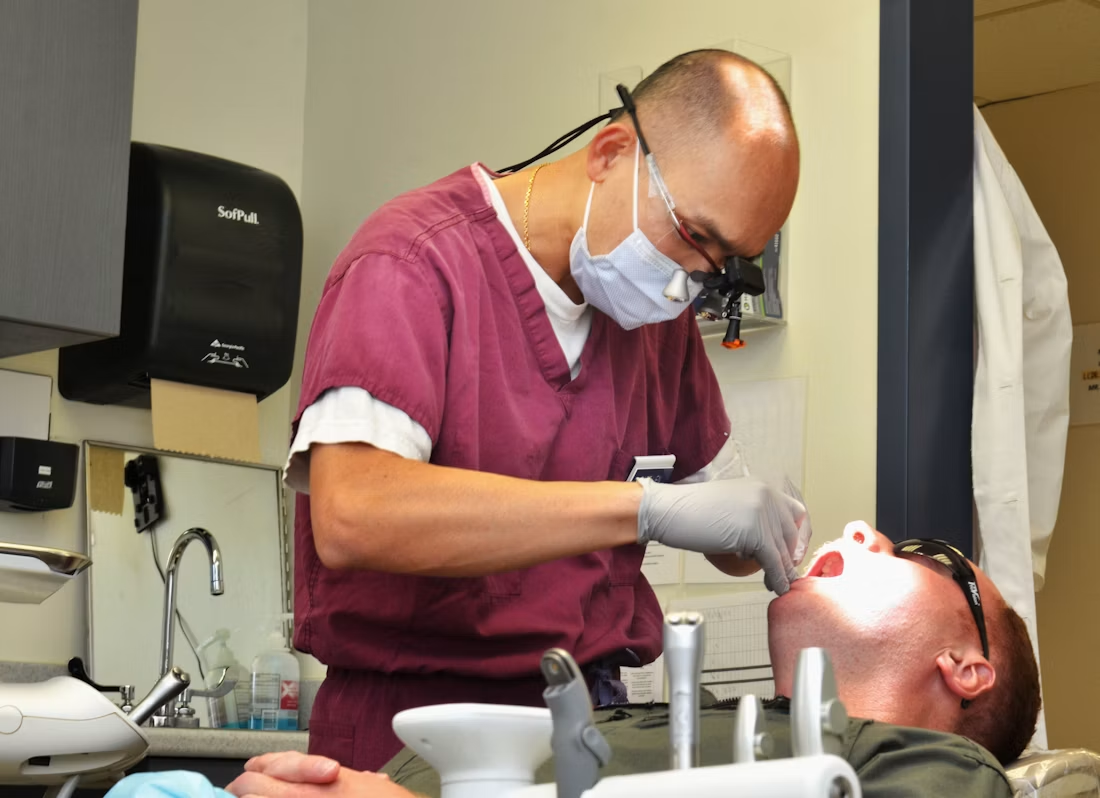
Small adjustments in daily routines create lasting peace of mind for families. Taking thoughtful steps every day strengthens caregiver confidence and keeps bright smiles healthy for years to come.