
Is a Smaller Footprint the Secret to Peace of Mind?
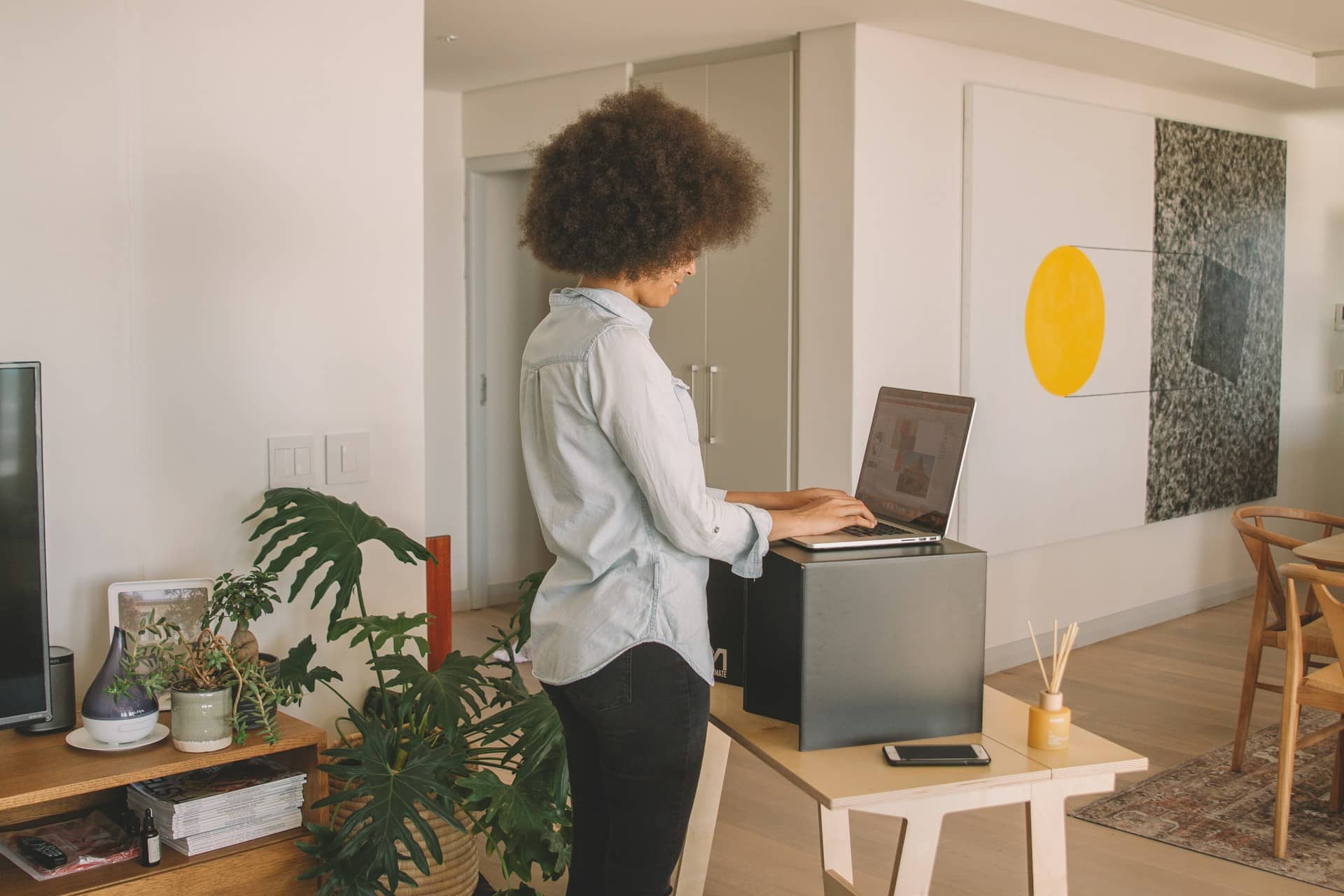
A smaller home can create more breathing room in your budget, schedule, and daily routine. Yet square footage alone won’t make a home feel calm. The real benefit comes from choosing a space that supports your habits without giving clutter room to spread.
Before downsizing, think about how you use your home on an ordinary Tuesday. Your routines will reveal how much space you need and where thoughtful design matters most for mental clarity.
Less Clutter
Limited storage encourages you to decide what deserves a place in your home. That can be helpful because clutter often grows in closets, spare rooms, and cabinets that rarely get reviewed. Utah State University’s overview of the mental health benefits of decluttering explains that a more orderly environment may ease stress and improve focus.
Start with one category, such as food containers or bathroom products. Keep items you use regularly, and remove duplicates that serve no clear purpose. If you need a more detailed process, this guide to organizing your space for mental clarity offers practical ideas. In a smaller home, seasonal reviews can prevent storage areas from becoming overloaded again.
Less Mental Fatigue
Every visible pile can become a quiet reminder of an unfinished task. Mail on the counter needs sorting, clothing on a chair needs folding, and crowded shelves need dusting. Those reminders compete for attention even when you’re trying to relax.
Research-informed guidance on decluttering and stress suggests that reducing excess belongings can give you a stronger sense of control. Try creating simple limits that remove repeated decisions. Use one basket for incoming mail, keep only seven everyday mugs, and give each family member one hook for a daily bag or jacket. Clear boundaries make tidying faster and help prevent small messes from spreading across the home.
Balancing Space and Daily Function
A compact home still needs to work for the people living there. Before comparing floor plans or browsing mobile homes for sale, list the activities that require dedicated room. A family that cooks together may value a generous kitchen, while someone who works remotely may need a quiet office corner with a door nearby.
Measure your furniture and map common walking paths. Leave enough clearance around the dining table and make sure storage doors can open fully. Consider flexible pieces too, such as an ottoman with hidden storage or a table that expands for visitors. The strongest layout puts frequently used areas within easy reach while giving each person at least one comfortable place to focus or recharge.
Affordable Factory-Built Housing Paths
Factory-built housing can offer a practical path for buyers who want a smaller footprint and the ability to select features that fit their routines. Costs vary by model, customization, delivery, site preparation, and local requirements, so compare the full project price instead of focusing only on the home’s listed price.
Ask for a written breakdown covering transportation, foundation work, utility connections, and installation. Financing terms also deserve careful review. Compare the down payment, interest rate, monthly payment, and total amount paid over the loan period. If customization is available, prioritize features that improve daily function, such as kitchen storage, durable flooring, and an efficient laundry area. Decorative upgrades are easier to add later.
Cultivating Joy in Practical Spaces
Practical rooms don’t need to feel plain. A few intentional details can add warmth to a compact home without filling every surface. Display one framed family photo instead of a crowded gallery, place a favorite plant near a window, or use matching containers to calm a busy open shelf. Learning how to organize your space can also help you create a more comfortable environment while keeping everyday essentials accessible.
Pay attention to light and texture as well. Curtains mounted slightly above the window can draw the eye upward, while a washable rug can define a sitting area without adding furniture. Leave some surfaces partly empty so the details you love have room to stand out.
A smaller footprint works best when each room reflects real life. If the kitchen table handles homework every afternoon, keep supplies in one nearby bin. If mornings feel rushed, set up a simple entry area for keys, shoes, and backpacks. Those specific choices turn limited square footage into a home that feels settled, useful, and genuinely yours.