
Homeowners: What to Ask Before Selecting Small Bathroom Tile
Transforming a small bathroom into a functional yet aesthetically pleasing space can be challenging. The choice of tiles plays a critical role in this transformation, impacting both the design and functionality. With a myriad of options available, homeowners must consider several crucial factors before making a decision.
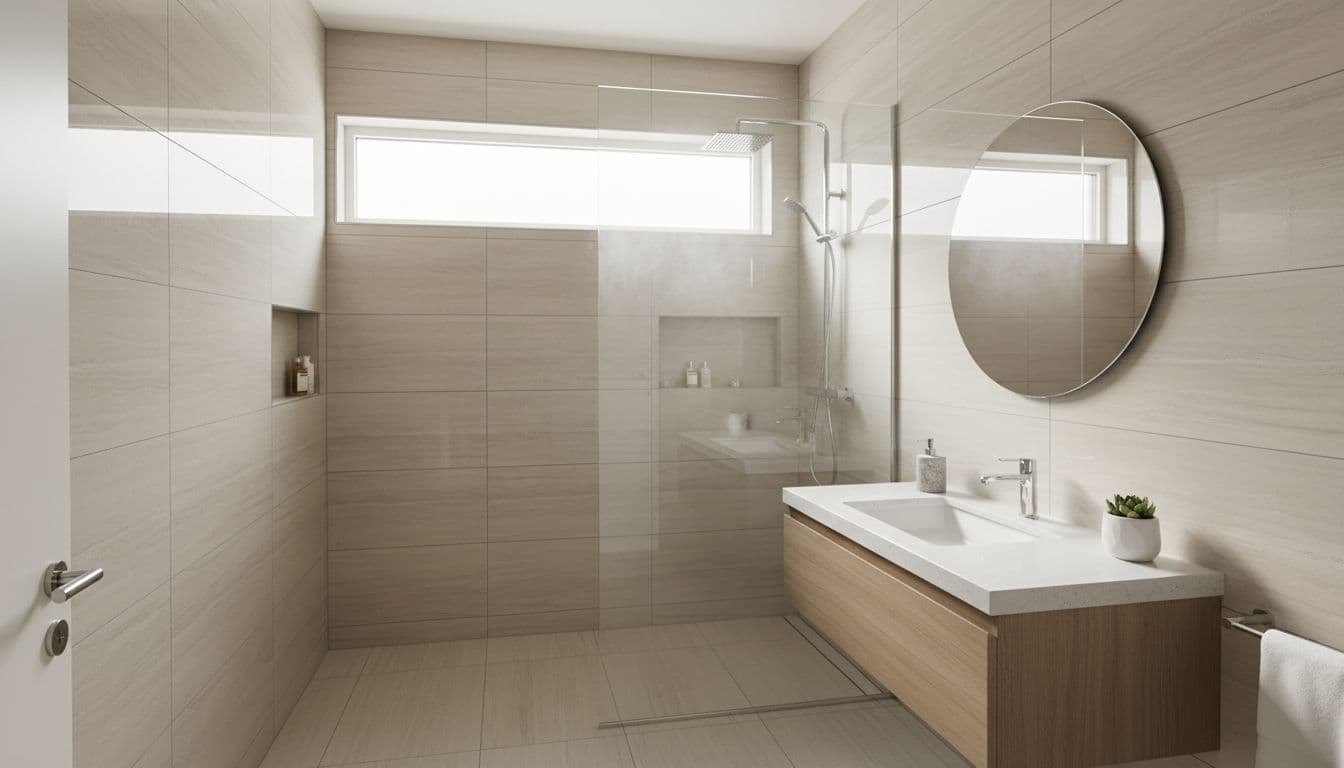
This article will guide you through essential questions to ask about tile material options, size, color, design, installation, and maintenance, ensuring you select the perfect small bathroom tile for your needs.
Questions to Consider About Tile Material Options

When selecting tiles for a small bathroom, understanding the differences between material types is crucial. Options like ceramic, porcelain, and natural stone each have unique properties. For instance, porcelain tiles are renowned for their durability and low porosity, making them ideal for high-moisture environments like bathrooms. A Materiality Analysis can help you determine which type of tile aligns best with your design and functional needs.
Consider the finish schedule when evaluating tile materials. A glossy finish can make a small bathroom appear larger by reflecting light, whereas a matte finish can offer a more subdued and sophisticated look. It’s essential to balance aesthetics with practicality, as some finishes may require more maintenance than others.
Always ask about the tile’s slip resistance rating, especially if the bathroom will be used by children or elderly individuals. Prioritize safety without compromising on style by selecting tiles that combine both slip resistance and visual appeal. Architectural Digest provides insights into choosing the right tiles for various spaces.
Evaluating Tile Size for Small Bathrooms
Tile size can significantly influence the perception of space in a small bathroom. Contrary to popular belief, larger tiles may actually make a small bathroom appear more spacious by reducing grout lines and creating a seamless look. During the Design Development Phase, consider how tile size harmonizes with the overall layout and space planning.
Elevation Drawings are valuable tools when planning tile layouts. They allow you to visualize how different tile sizes will look once installed, helping you make informed decisions. Remember, a well-planned layout can enhance the room’s dimensions, creating an illusion of more space.
It’s also worth discussing the possibility of using mosaic tiles in specific areas, such as the shower or accent walls, to add texture and interest without overwhelming the space. Houzz offers a variety of examples and tips for integrating mosaic tiles into small bathroom designs.
Color and Design Choices for Small Bathroom Tiles
Color Theory Application plays a pivotal role in selecting the right tile hues for a small bathroom. Light colors can open up a space, making it feel larger and more inviting. However, incorporating darker tiles in moderation can add depth and contrast, creating a balanced design.
During the Schematic Design phase, consider how different colors and patterns will interact with existing fixtures and finishes. A cohesive color palette can tie the room together, while strategically placed accent tiles can serve as focal points.
Mood Board Creation is an effective way to experiment with various color combinations and patterns before committing to a final design. It allows you to visualize the interplay of different elements and make adjustments as needed, ensuring the final result aligns with your vision.
Installation and Maintenance Tips for Bathroom Tiles
Proper installation is essential for ensuring the longevity and performance of bathroom tiles. Enlist the help of a qualified FF&E Procurement Specialist or a professional installer to ensure that tiles are laid correctly and efficiently.
Once installed, maintenance becomes a key consideration. Porcelain tiles, for instance, are known for their ease of maintenance, requiring only regular cleaning to keep them looking new. However, natural stone tiles may need periodic sealing to protect against moisture and staining.
Regular inspections can help identify potential issues early, preventing costly repairs down the line. By maintaining your tiles properly, you can preserve their beauty and functionality for years to come.
Conclusion

Choosing the right small bathroom tile involves a thoughtful evaluation of material, size, color, design, and maintenance considerations. Each decision contributes to the overall aesthetic and functionality of the space. For homeowners seeking to create an elegant yet practical bathroom, understanding these factors is invaluable. Explore your options and consult with professionals to ensure a result that not only meets but exceeds your expectations.