
Prioritizing Mature Pet Health: Compassionate Home Living Strategies
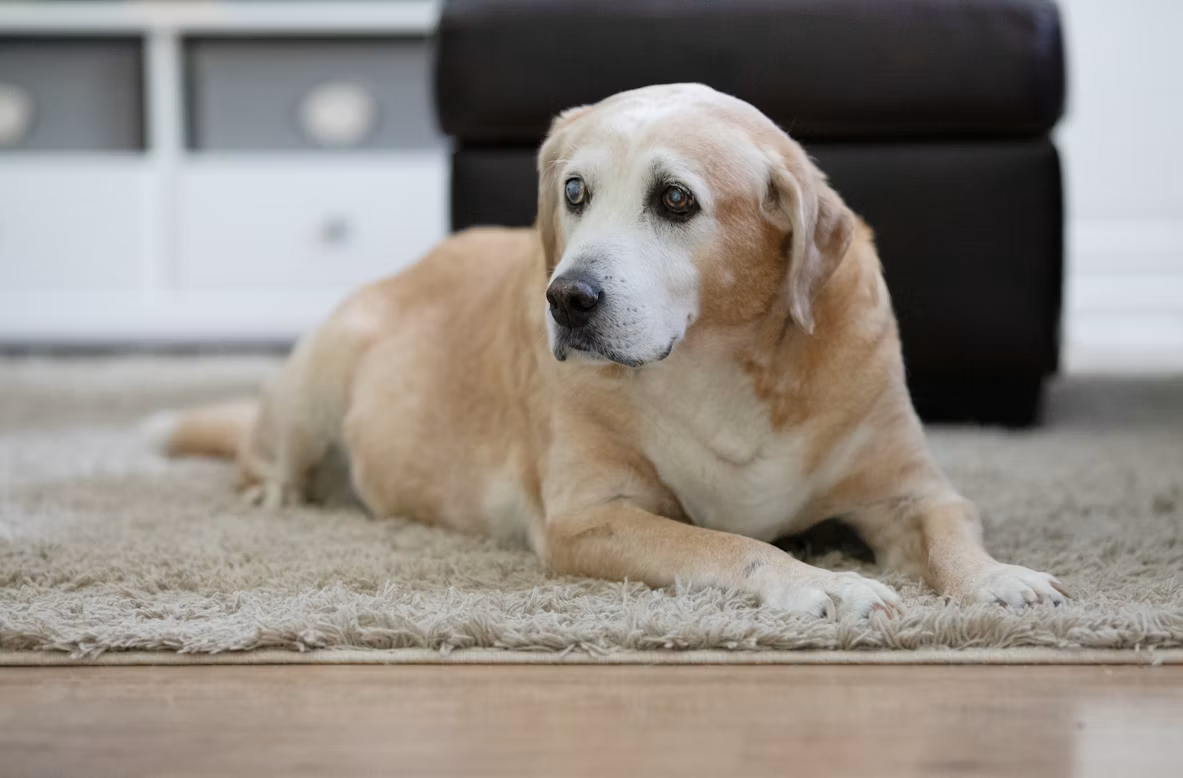
Older pets often need simple changes at home to stay comfortable, active, and connected to the people they love. Their needs may shift slowly, so subtle changes in movement, appetite or behavior can be easy to miss. A thoughtful routine makes those changes easier to spot and gives your veterinarian useful information.
Senior pet care also looks different for every animal. Age, breed, health history and temperament all shape what support works best. The following strategies can help you create a safer home while protecting your pet’s quality of life.
Start with regular health checks
Schedule veterinary appointments at the frequency your veterinarian recommends, even when your pet seems well. Older animals can develop arthritis, dental disease, kidney problems, diabetes, and other conditions that may not cause obvious symptoms at first. A physical exam and appropriate screening tests can identify concerns before they begin to limit daily life.
Some clinics recommend checkups every six months for senior pets. Your veterinarian may suggest a different schedule based on age and medical history. Between visits, keep a simple record of changes you notice at home. Note appetite, water intake, bathroom habits, sleep patterns, and willingness to move. A dog that pauses before climbing stairs or a cat that stops jumping onto a favorite chair may be experiencing pain.
Many chronic conditions in aging pets require ongoing monitoring. Ask your veterinarian which signs should prompt a call and what would qualify as an urgent concern.
Costs can become less predictable when an older animal needs tests, treatment or repeat appointments. Cat owners reviewing their financial options may choose to get a quote for senior cat insurance before deciding how potential veterinary expenses fit into the household budget. Read policy terms closely, including exclusions, waiting periods and coverage limits.
Make movement around the home easier
Watch how your pet moves through the rooms they use most. Slippery floors, steep steps and high furniture can become difficult when joints lose flexibility or vision begins to change. Small adjustments can reduce strain without disrupting familiar routines.
Place nonslip runners on smooth flooring between your pet’s bed, food bowl and outdoor access point. Secure each rug so its edges don’t curl. A low ramp may help a small dog reach the couch, while a stable step can give a cat easier access to a windowsill. Choose products designed for the animal’s weight and supervise early attempts.
Comfortable bedding matters too. Look for a supportive bed with a low entry edge and enough space for your pet to change positions. Put it in a warm area away from drafts, but keep it close to family activity if your pet enjoys company. Some older animals need more than one resting spot because walking from one end of the home to the other takes extra effort.
Creating a healthy home environment also means paying attention to air quality, cleaning products and temperature. Avoid strong fragrances around sensitive animals and clean bedding regularly with a mild, pet-appropriate product. Keep frequently used rooms at a steady, comfortable temperature.
Adjust food, water and bathroom access
An older pet’s nutritional needs can change, but age alone isn’t a reason to switch foods without guidance. Weight loss, weight gain or reduced muscle mass may point to an underlying condition. Ask your veterinarian to assess body condition and recommend suitable food portions, texture and nutrient levels.
Make meals physically easy to manage. A pet with neck or back discomfort may benefit from bowls positioned at a veterinarian-approved height. Cats with dental pain may struggle with dry food, though a texture change should follow a dental assessment. If your pet eats too quickly or seems confused at mealtimes, smaller portions offered on a predictable schedule may help.
Fresh water should be available in several accessible places. A cat that no longer wants to climb stairs may drink less if the only bowl is on another level. Track unusual thirst because a clear increase in water intake can be associated with medical problems.
Bathroom arrangements deserve the same attention. Use a low-entry litter box for a cat with stiff joints and place at least one box on each floor the cat uses. Give dogs more frequent outdoor breaks, particularly first thing in the morning and before bedtime. Accidents can signal pain, reduced mobility or illness, so avoid treating them as a behavior problem until your veterinarian has assessed the cause.
Protect strength and mental engagement
Senior pets still benefit from activity when it suits their physical ability. Consistent movement supports muscle strength, mobility and emotional well-being. The correct amount depends on the animal, so ask your veterinarian what type and duration are safe.
For a dog, two gentle 10-minute walks may work better than one long outing. Choose level routes and allow time for sniffing. Stop if your dog lags behind, pants more than usual, or seems sore later that day. Guidance on senior dog care also highlights the value of adapting care as physical and cognitive needs change.
Indoor cats may enjoy low-impact play with a wand toy moved slowly along the floor. Food puzzles with an easy setting can encourage problem-solving, though they should never make meals frustrating or inaccessible. Rotate a few familiar toys instead of presenting many new items at once.
Older animals may also experience changes in memory or awareness. Signs can include staring at walls, becoming unsettled at night, getting stuck behind furniture, or forgetting familiar routines. Keep furniture in consistent positions and use soft night-lights along common paths. Report new confusion to your veterinarian since pain, vision loss and medical conditions can cause similar behavior.
Learn your pet’s comfort signals
Pain in pets can look quieter than people expect. An animal may continue eating or greeting family members while still feeling uncomfortable. Changes in posture, grooming and social behavior often provide the earliest clues.
A cat might stop cleaning its back because twisting hurts, while a dog may repeatedly shift position instead of settling down. Other signs can include trembling, hiding, irritability, reduced interest in play, and reluctance to be touched. The basics of senior pet care offer a useful starting point for recognizing age-related needs, but any sudden change deserves professional advice.
Create a weekly check-in that takes only a few minutes. Watch your pet rise from bed, walk across the room, and lie down again. Look at the coat, eyes, ears and nails. Gently note any new lumps without squeezing them, then record their location and approximate size for your veterinarian.
Photos and short videos can be especially useful because pets sometimes move differently at the clinic. Film a brief clip if you notice limping, unusual breathing or trouble standing. Don’t delay urgent care to collect evidence. Difficulty breathing, collapse, repeated vomiting, seizures or inability to pass urine requires prompt veterinary attention.
Keep routines familiar and care flexible
Predictability can help an older pet feel secure, particularly when hearing, sight or memory begins to decline. Feed meals, offer bathroom breaks and give medication at consistent times. Familiar cues can help the pet understand what happens next.
Still, routines need room to change. A dog that once enjoyed busy family gatherings may now prefer a quiet bed nearby. A cat that slept alone upstairs may begin seeking a warm spot close to you. Let those preferences guide the household setup instead of expecting an older animal to maintain old habits.
Practical senior pet comfort tips can help families adapt grooming, exercise, and home access as needs evolve. Grooming sessions may need to become shorter, for example, with breaks between brushing and nail care. If your pet dislikes handling, ask the veterinary team about low-stress techniques.
Quality of life should remain part of every conversation about mature pet health. Keep track of favorite activities, comfortable days, and difficult days. Share that record during appointments, especially if pain management or long-term treatment is changing. Your observations reveal what a short clinic visit may not.
Key Takeaways
- Schedule regular veterinary visits and track changes between appointments.
- Improve traction and access throughout the areas your pet uses most.
- Keep food, water, beds, and bathroom areas easy to reach.
- Choose activities that match your pet’s current strength and mobility.
- Watch for subtle changes in posture, grooming, appetite, and behavior.
- Maintain familiar routines while adapting them to your pet’s changing needs.
- Contact a veterinarian promptly when symptoms appear suddenly or become severe.
An older pet may never use the new ramp exactly as expected or sleep in the carefully chosen bed every night. What matters is noticing their choices and responding with patience. When food, rest, and companionship remain easy to reach, home can continue to feel familiar through every stage of aging.