
6 Tips for Planning a Seamless Multi-Family Road Trip
Gathering several families for a long drive creates lasting memories for both parents and children. Planning a trip with multiple households requires extra focus on logistics and group coordination before hitting the pavement.
Shared travel experiences strengthen bonds between friends and relatives during the holiday season. Success depends on clear communication and choosing the right gear for the long road ahead.
Choose The Right Vehicle
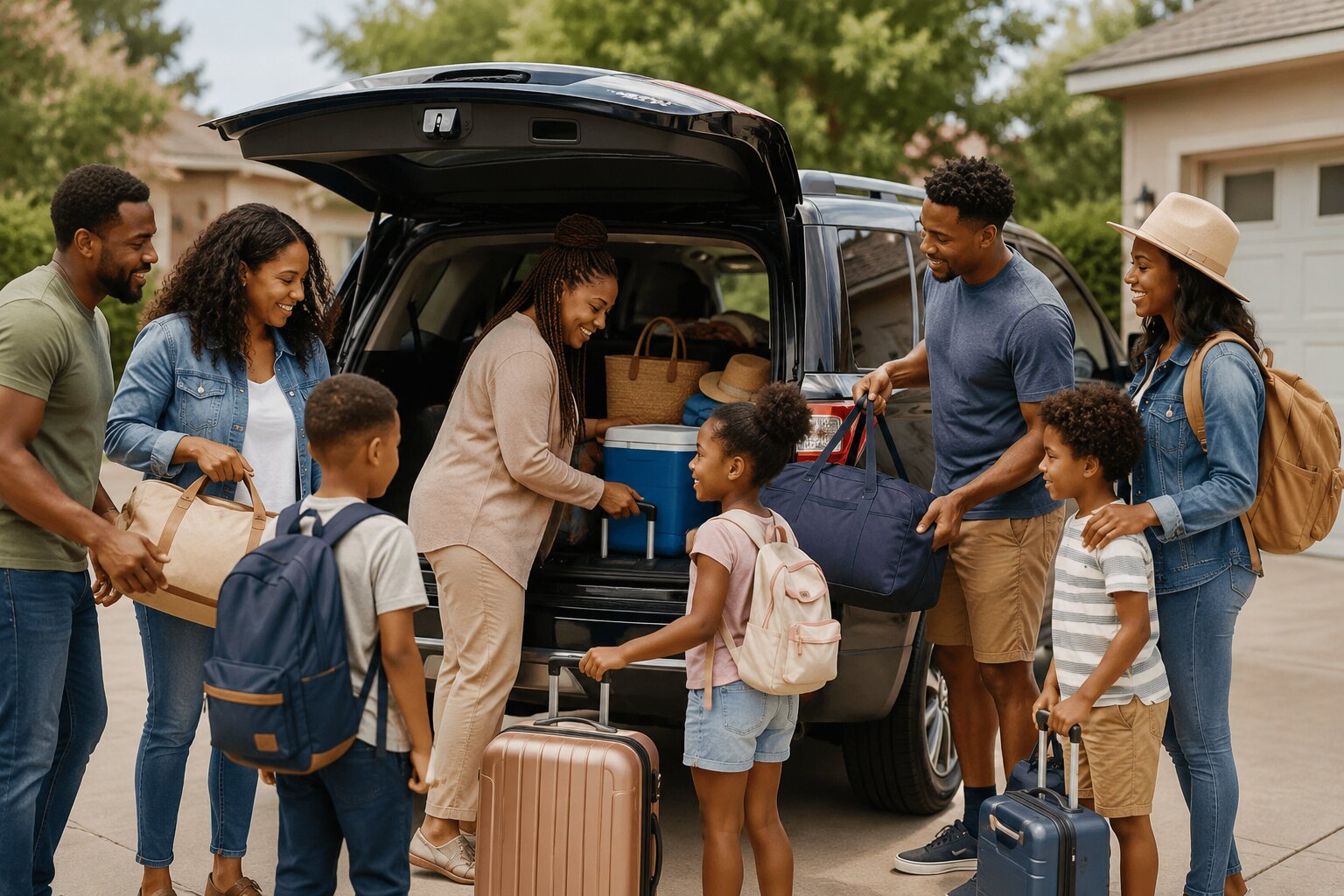
Selecting the best car is the foundation of any successful group journey across the state. Renting a large van keeps everyone together and simplifies the logistics of following a lead driver through traffic. A scientific study showed that a shared vehicle can reduce total vehicle travel hours by a factor of 6 compared to solo trips.
Small groups often struggle with parking multiple cars at popular tourist spots or rest areas. One large vehicle solves the problem and lets the group share fuel costs without much effort. It makes the journey part of the vacation rather than just a commute between hotels.
Modern vans offer plenty of room for legs and heavy luggage for a week of travel. Travelers find that sitting together allows for better games and group storytelling throughout the day. This choice makes the drive feel much shorter for the children sitting in the back seats.
Plan Your Transport Logistics
Driving multiple cars is often more stressful for everyone involved in the vacation. You will find that booking options such as Orana’s Hyundai Staria allow the whole group to ride together in comfort and style. Everyone can chat and enjoy the view from the same cabin during the long haul.
Logistics involve more than just picking a car brand or a specific model for the trip. Coordination between drivers makes certain that no one gets lost during busy highway merges or exit turns. Maps should be shared among all adult passengers to keep the group on the same path.
Fuel stops should happen at the same time for every car in the convoy to save time. Such a strategy prevents unnecessary waiting at roadside stations while one family finishes their lunch. Synchronized breaks keep the entire group moving at the same pace toward the final destination.
Design A Flexible Itinerary
Mapping out points of interest is a major part of the design process for a trip. Research suggests that travel planning involves exploring diverse settings and itinerary design to keep people engaged. Knowing where the group will stop helps reduce stress during the actual drive.
- Pick child-friendly museums and galleries.
- Find local parks with picnic tables and shade.
- Locate gas stations with clean bathrooms and snacks.
- Identify scenic overlooks for quick photo opportunities.
Families have different energy levels throughout the day and need time to rest. Creating a plan with wiggle room allows everyone to feel relaxed, even if a delay occurs. Rigid schedules often lead to frustration when small issues pop up on the road.
Prioritize Safety And Comfort
Vehicle standards play a huge role in the satisfaction of passengers on a trip. A report mentions that large vehicles with high safety standards are preferred for shared mobility today. Checking tire pressure and fluid levels before leaving is a smart move for any driver.
Comfort features like climate control and adjustable seats help prevent fatigue on long stretches of road. Many hours on the road can be taxing for the driver and the riders alike. Providing small pillows or blankets makes the cabin feel like a home on wheels for the kids.
Safety kits should be tucked away in an accessible spot for quick access if needed. These kits should include bandages, water, and basic tools for minor repairs. Preparedness gives parents peace of mind while they navigate unfamiliar roads in new areas.
Balance Individual Needs
Every family member has unique preferences for food and rest during a vacation. Leisure travelers often value flexibility and being aware of available options during a trip. Discussing these needs before the engine starts prevents arguments later in the week.
Some passengers might prefer quiet time for reading or sleeping during the afternoon hours. Designating “quiet zones” or specific hours for noise can help keep the peace in the car. Respecting personal space is key when sharing a small area for several hours at a time.
Kids need frequent breaks to stretch their legs and burn off energy at a park. Planning a stop every 2 hours keeps spirits high and prevents cranky moods. Happy children make the drive much smoother for the adults sitting in the front.
Manage Shared Expenses
Discussing money early avoids awkward moments at the end of the trip for the group. Personalized itineraries that account for traveler attributes and constraints increase user satisfaction for the families. Setting a daily budget for meals and activities helps keep everyone on the same track.
- Use a shared app for splitting bills instantly.
- Keep physical receipts in a folder for later review.
- Split gas costs based on total mileage driven.
- Agree on a tip percentage for restaurant service.
Sharing the cost of a rental van can save a significant amount of money for the group. Bulk buying snacks and drinks also lowers the total price of the vacation for each family. These savings can be used for a special dinner at the destination.
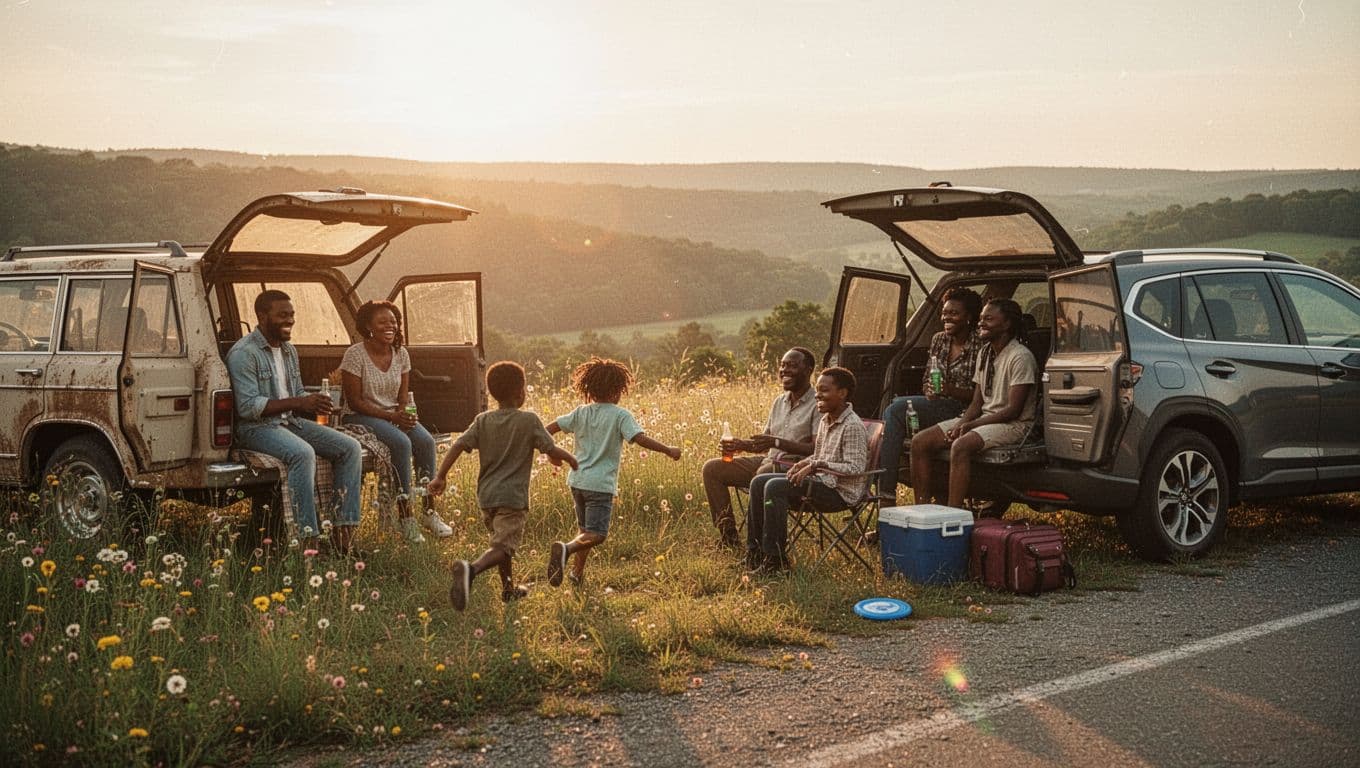
Successful trips are built on a foundation of teamwork and patience between the families. Taking the time to coordinate details makes the entire experience more enjoyable for every family involved.
The road ahead offers many opportunities for laughter and discovery for both young and old. Shared journeys turn simple drives into adventures that families will talk about for many years to come.