
Running A Courier Business In 2026
If you are keen to ensure that your courier business is as successful as can be, there are all sorts of things you might want to bear in mind here. The truth is that it can be a very effectively run kind of business. Running a courier business in 2026 isn’t just about moving parcels from A to B. It’s about orchestrating a fast-moving system where technology, customer expectations, and operational efficiency all collide. What used to be a fairly straightforward logistics model has evolved into something closer to a real-time, data-driven service industry – one where the delivery itself is only part of the value you offer.
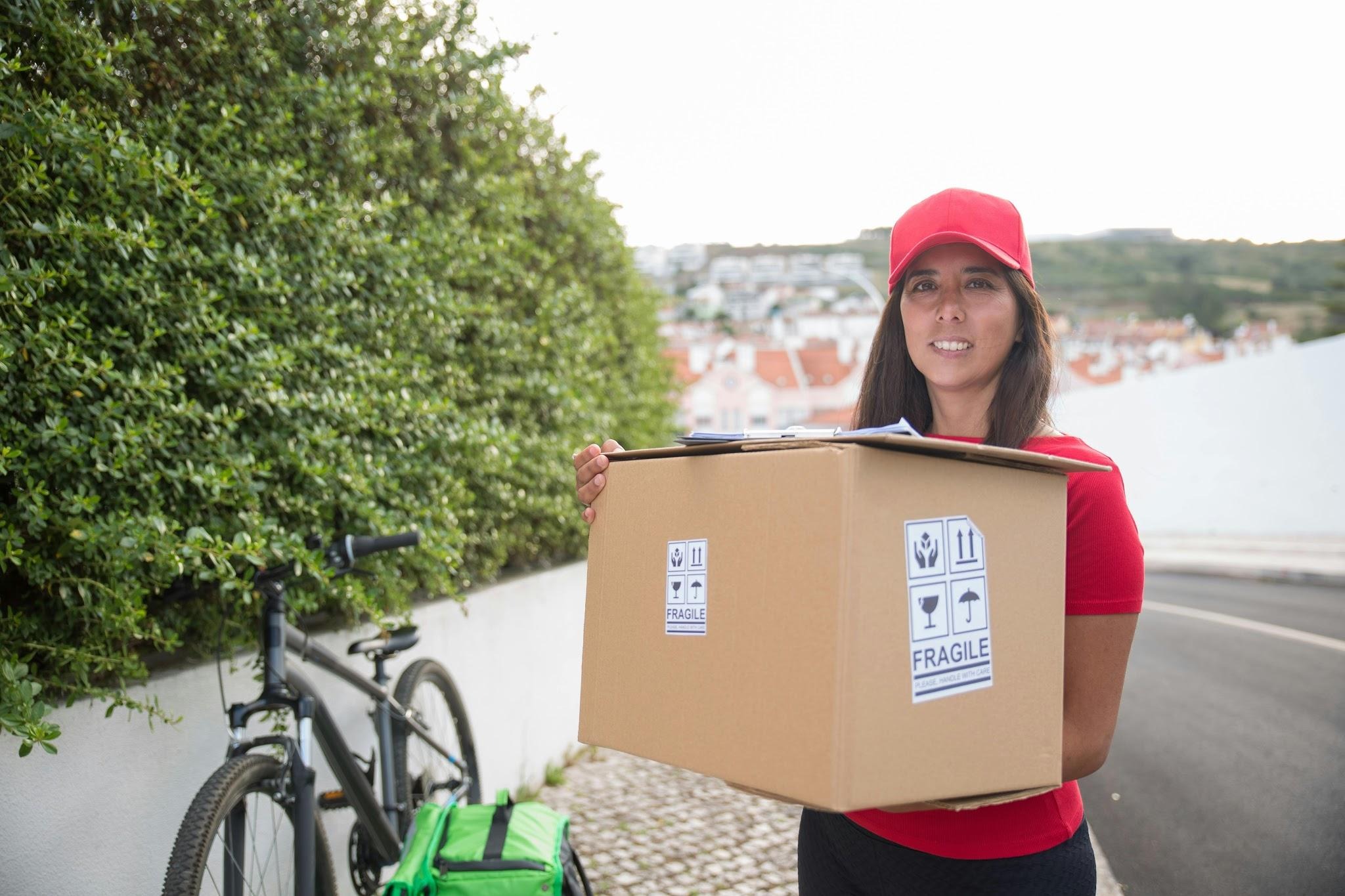
The Shape of the Courier Industry in 2026
Demand is strong, arguably stronger than ever. The growth of e-commerce, same-day delivery expectations, and B2B logistics has kept courier services in constant motion. In the UK especially, logistics remains a resilient sector with consistent demand for drivers and delivery capacity. But there’s a catch: speed and reliability are no longer impressive – they’re expected. Customers assume you’ll deliver quickly. What they actually judge you on now is everything around that delivery – communication, flexibility, tracking, and problem-solving. At the same time, logistics has become a “decisive battleground” for businesses, meaning delivery performance directly affects reputation and revenue.
Building a Courier Operation That Actually Works
A modern courier business rests on three pillars: fleet, workflow, and contracts. Your fleet can be small to start – many successful operators begin with one or two vans – but it must be reliable and scalable. Maintenance, fuel efficiency, and vehicle uptime matter more than sheer size. Breakdowns don’t just cost money; they damage trust. Workflow is where most businesses either thrive or quietly fall apart. It’s the difference between reactive chaos and controlled growth. Many new entrants operate like gig drivers, picking up jobs as they come. More established courier businesses treat work as a pipeline – balancing subcontracting, direct clients, and platform-based jobs simultaneously.

Why Technology Is No Longer Optional
If there’s one defining feature of courier businesses in 2026, it’s the reliance on software. The industry has shifted toward automation, real-time data, and AI-supported decision-making. Courier software and delivery driver scheduling software now handles everything from route planning to delivery tracking to customer notifications. This isn’t just about convenience, it’s about survival. Last-mile delivery alone can account for over half of total shipping costs, so inefficiency compounds quickly.
Customer Expectations Have Shifted
Customers in 2026 want visibility as much as speed. They expect to track deliveries in real time, receive accurate time windows, and have flexible options-like rescheduling or choosing alternative drop-off points. If your service doesn’t provide that, it’s not just a missed opportunity – it’s a reason for clients to switch providers. Transparency also plays into trust. Businesses want data: delivery confirmation, timestamps, performance reports. Courier companies that can provide this tend to win repeat contracts.
Running a courier business in 2026 is less about driving and more about managing a system. The businesses that succeed tend to think like logistics platforms rather than delivery services. They invest in software, optimize operations, and treat customer experience as part of the product, not an afterthought.