
How Modern Pet Parents Are Rethinking Cat Food Ingredients
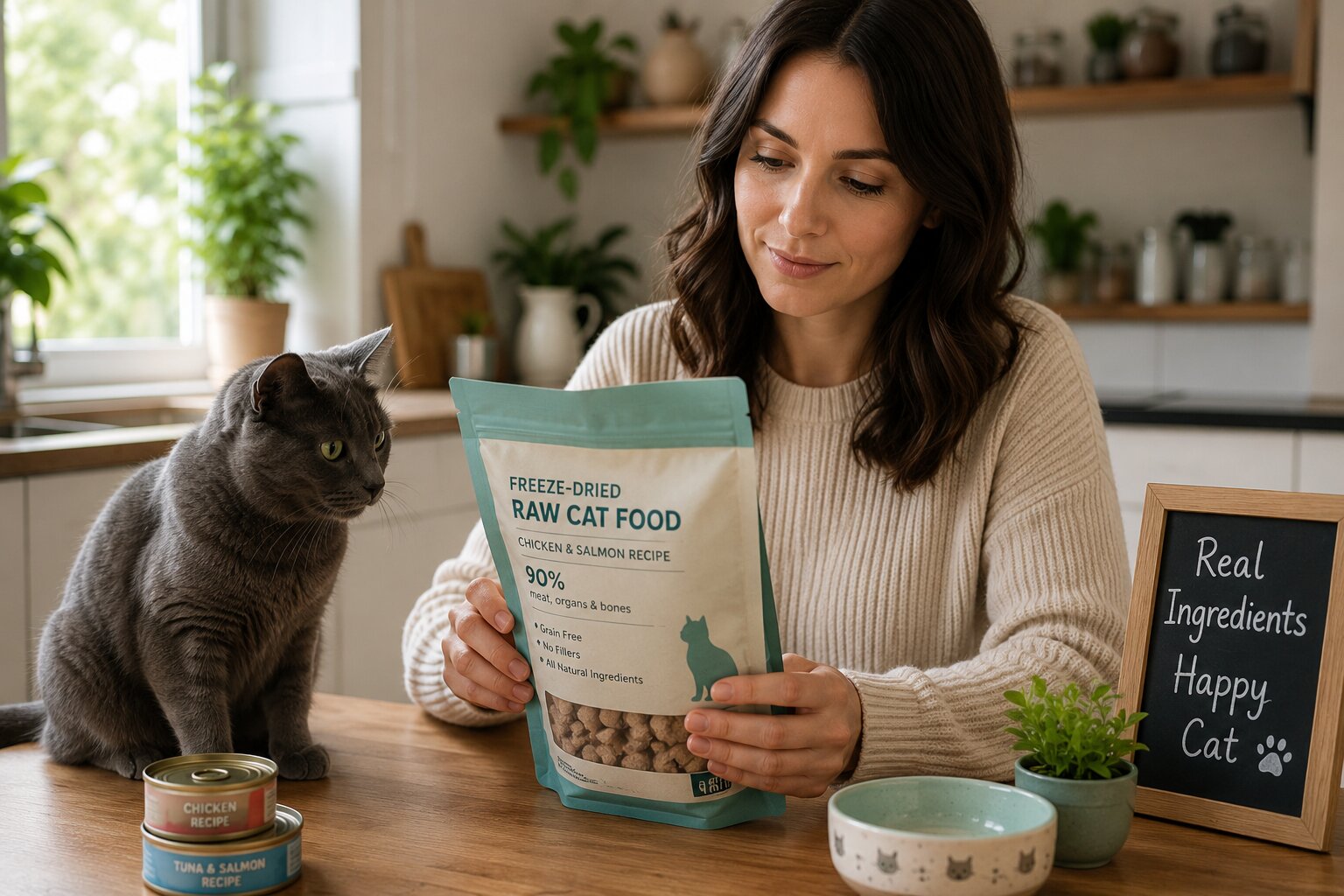
For many modern households, pets are no longer simply animals that share the home — they’re family. Cat owners today are paying closer attention to what goes into their pets’ bowls, asking the same kinds of questions they ask about their own food: Where do the ingredients come from? How processed is it? And does it genuinely support long-term health?
This shift has sparked a growing conversation around cat nutrition, especially among wellness-conscious pet parents who want to make thoughtful, informed choices without getting lost in marketing buzzwords. As a result, more people are reevaluating traditional cat food ingredients and exploring alternatives that better align with their values and lifestyles.
Why Ingredient Awareness Is Growing
The way people think about food has changed dramatically over the past decade. Labels, preservatives, sourcing practices, and ingredient transparency have become part of everyday purchasing decisions. Naturally, that mindset has extended to pet care.
Many cat owners have started paying attention to ingredient lists that once went unquestioned. Fillers, artificial additives, vague meat by-products, and heavily processed formulas are now being scrutinized more carefully.
Part of this change comes from increased access to information. Social media, veterinary nutrition resources, and pet wellness communities have made it easier for consumers to learn about feline dietary needs. Cat owners are also becoming more aware that cats are obligate carnivores, meaning their bodies are designed to thrive on animal-based proteins rather than carbohydrate-heavy diets.
That doesn’t mean every pet owner is suddenly preparing homemade meals from scratch. Instead, many are simply becoming more intentional about selecting foods with recognizable, protein-rich ingredients and fewer unnecessary additives.
The Shift Toward Simpler, Protein-First Nutrition
One major trend in pet nutrition is the movement toward simpler ingredient panels. Modern pet parents are increasingly drawn to foods where the primary ingredients are identifiable animal proteins rather than heavily processed fillers.
This has also contributed to growing interest in minimally processed options like freeze-dried cat food. Products available through platforms like freshisbest.com appeal to pet owners looking for convenient feeding solutions that still prioritize high-quality protein and ingredient transparency.
Freeze-drying helps preserve nutrients while removing moisture, creating shelf-stable food that maintains much of the original nutritional value of raw ingredients. For busy households, this can offer a practical middle ground between traditional kibble and fully raw feeding approaches.
Pet owners are not only thinking about nutrition in terms of calories anymore. They’re considering digestibility, hydration, ingredient sourcing, and how processing methods may affect overall quality.
Reading Labels More Carefully
Modern consumers are skilled label readers, and pet food packaging is no exception.
Terms like “natural,” “premium,” or “holistic” may sound reassuring, but experienced pet parents are learning to look beyond front-label marketing claims. Instead, they’re focusing on ingredient order, protein sources, and guaranteed analysis panels.
Veterinary experts often recommend paying close attention to whether a named animal protein appears first on the ingredient list. Ingredients such as chicken, turkey, salmon, or beef generally provide more transparency than broad terms like “meat meal” or “animal digest.”
There’s also growing awareness about carbohydrates in feline diets. While some carbohydrates can play a role in balanced formulations, cats typically require significantly more protein than many commercial diets traditionally provide.
At the same time, many pet owners are becoming cautious about unnecessary artificial colors, flavors, and preservatives. Although regulations help maintain safety standards, consumers increasingly prefer shorter ingredient lists with components they recognize and understand.
Wellness Culture Is Influencing Pet Care
The wellness movement has reshaped how people approach daily living, from meal planning and fitness routines to mindfulness and self-care. It’s no surprise that pets are now included in that broader lifestyle shift.
Today’s cat owners often view nutrition as part of preventative care rather than something that only matters after health problems appear. Supporting healthy skin, digestion, energy levels, and weight management through balanced nutrition has become part of a more proactive approach to pet wellness.
This doesn’t necessarily mean following every pet food trend that appears online. In fact, many veterinarians encourage moderation and careful research when changing diets or exploring alternative feeding methods.
Still, the growing emphasis on quality ingredients reflects a wider cultural shift toward intentional living. People want to feel confident that the choices they make — for themselves and their pets — align with their priorities.
The Convenience Factor Still Matters
Even health-conscious pet parents face practical realities. Busy schedules, budgets, and household demands all influence feeding decisions.
That’s why convenience continues to play a major role in the evolution of cat food products. Modern consumers are looking for options that balance quality nutrition with manageable preparation and storage.
Freeze-dried foods, refrigerated fresh meals, and high-protein wet foods have all gained popularity partly because they address both concerns at once. Pet owners no longer want to choose between convenience and ingredient quality if they can avoid it.
This trend is especially relevant for multitasking households where time is limited but pet care remains a priority. Products that simplify feeding routines without sacrificing nutritional value naturally appeal to modern consumers.
Understanding the Role of Veterinary Guidance
As interest in pet nutrition grows, so does the importance of reliable information. The internet offers endless opinions on what cats should or should not eat, but not all sources are equally trustworthy.
Veterinarians and board-certified veterinary nutritionists remain valuable resources when evaluating dietary changes. Every cat has different needs depending on age, activity level, medical history, and sensitivities.
For example, kittens, senior cats, and cats with kidney disease may require very different nutritional approaches. What works well for one pet may not be appropriate for another.
Modern pet parents are increasingly blending independent research with professional guidance. Rather than blindly following trends, many are taking a more balanced approach by asking informed questions and evaluating evidence carefully.
Sustainability and Ethical Sourcing Are Entering the Conversation
Another growing factor in pet food decisions is sustainability.
Consumers who care about ethical sourcing and environmental impact in their own diets are beginning to extend those concerns to pet products as well. Interest in responsibly sourced proteins, transparent manufacturing practices, and reduced food waste has become more common within the pet industry.
While convenience and nutrition remain top priorities, many shoppers also want to support brands that align with their broader values. Packaging practices, ingredient sourcing, and manufacturing transparency can all influence purchasing decisions.
This reflects a larger shift in consumer behavior overall. People increasingly expect companies to provide more information about where products come from and how they’re made.
Conclusion
Modern pet parents are approaching cat nutrition with more curiosity, awareness, and intentionality than ever before. Rather than relying solely on marketing claims or convenience, many are taking time to understand ingredients, processing methods, and the nutritional needs of their pets.
The growing interest in high-protein, minimally processed, and transparent food options reflects a broader movement toward thoughtful living and preventative wellness. At the same time, convenience and practicality still matter, especially for busy households balancing multiple responsibilities.
Ultimately, the conversation around cat food ingredients is less about chasing perfection and more about making informed choices that support both pets and the people who care for them. As awareness continues to grow, modern cat owners are helping reshape the future of pet nutrition — one ingredient label at a time.
References
- American Association of Feed Control Officials (AAFCO) – Pet Food Labeling Guidelines
- Cornell Feline Health Center – “Feeding Your Cat”
- Cummings Veterinary Medical Center at Tufts University – Pet Food Ingredient Insights
- American Veterinary Medical Association (AVMA) – Pet Nutrition Resources
- Pet Food Institute – Understanding Pet Food Labels