
5 Simple Ways To Slash Tech Bills

Female entrepreneurs are masterfully resourceful across every expense category, from supplier negotiations to content repurposing.
Yet when it comes to hardware, many default to buying new at full retail price without questioning whether the cost is justified.
Defaulting to expensive machines without checking if the performance gain is needed is not about cutting corners, but refusing to overpay.
The top five simple ways to slash tech bills involve auditing hardware, canceling software subscriptions, migrating to the cloud, buying refurbished, and standardizing platforms.

Why Does The Retail Trap Cost You?
Technology manufacturers rely on an unbelievable marketing playbook built around obsolescence anxiety, chip envy, and design prestige.
Hardware should be evaluated on its ability to support your daily workload efficiently, rather than its visual appeal.
By shifting the narrative from isolated cost-cutting tips to holistic financial discipline, you stop paying for unnecessary retail markups.

This intentional approach ensures your workspace remains productive without compromising core business capabilities.
Smart business tech spending forms a unified system for purchasing intelligence. It empowers you to build an efficient environment focused solely on verifiable performance metrics.
| Key Insight: A laptop is a functional tool, not a status symbol. Apply the identical ROI logic to hardware that you apply to every other capital investment, from ad spend to inventory procurement. |
1. How To Audit Your Unusual Hardware
Most perceived hardware failures are simply workflow failures in disguise.
System slowdowns usually trace back to browser tab overload, bloated startup programs, or insufficient memory rather than a dead machine.
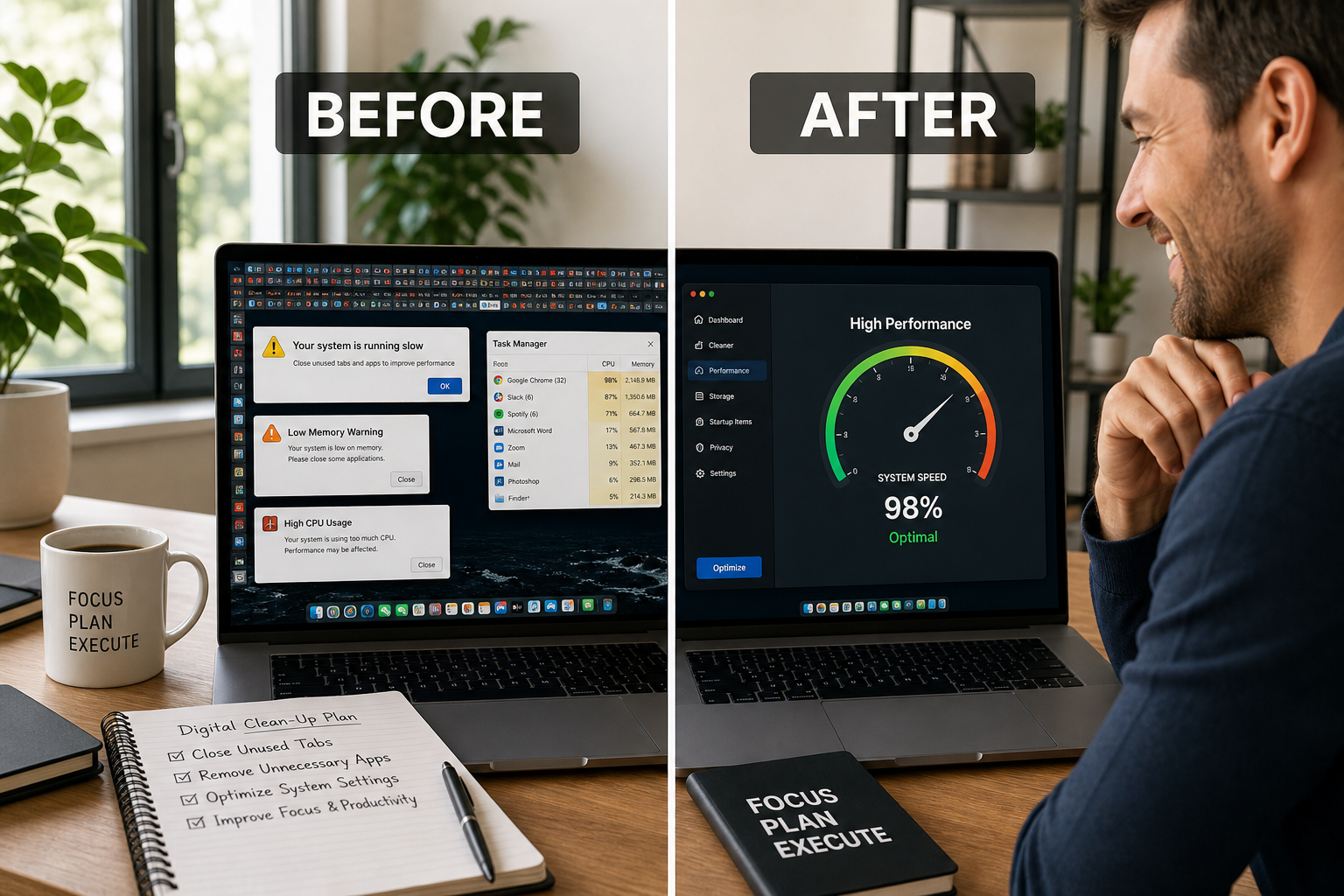
Before assuming an upgrade is needed, run a diagnostic process to see if the issue is a strict machine limitation. A typical PC is used for three to five years before it is completely replaced.
Implementing a quarterly hardware audit is equivalent to a strict financial audit. Trust the actual performance data over the impulse to upgrade your workstation.

Often, low-cost alternatives like RAM upgrades or rigorous digital housecleaning protocols restore vitality without requiring total replacement.
However, when an upgrade is truly unavoidable, purchasing certified refurbished laptops from PCLiquidations or exploring commercial-grade alternatives from brands like Dell, HP, and Lenovo ensures you get professional reliability at a fraction of the cost.
This level of smart business tech spending demands strict baseline criteria to avoid emotional purchases.
You must use a simple need vs. nice-to-have hardware checklist to evaluate every single device request. Following this protocol strictly eliminates wasteful spending.
- Need: The machine cannot run essential business software without freezing or failing to connect to peripherals.
- Nice-to-Have: A preference for a thinner chassis or superficial cosmetic wear on the exterior.
2. Why Does Slashing Unbelievable SaaS Bloat Work?
Passive subscriptions silently erode profit margins without offering any real productivity value. These are tools signed up for during a trial period or platforms never fully adopted by the team.

They act as the digital equivalent of a gym membership that charges monthly while you stay home.
According to research by the University of Texas, between 20 and 30 percent of all software licenses go unused in typical business operations.
Reining in a small business technology budget requires cross-referencing every recurring charge against a strict ROI test.

Ask yourself if the tool saves a specific amount of time per week or directly generates revenue. If the answer to both is no, cancel the service without any sentiment.
Decisiveness in cutting software that is no longer earning its keep marks true financial maturity.
3. Where Should You Host Interesting Cloud Operations?
A lingering on-premise server mentality still exists within small business culture. This is driven by the false perception that owning physical infrastructure signals true stability and seriousness.
In reality, migrating to cloud-based tools removes immense operational burdens from your daily workload. The average server utilization rate for many organizations is only 10 to 15 percent.

The benefits are highly specific, including reduced local utility costs and the elimination of on-site IT maintenance expenses.
Cloud computing offers complete geographic flexibility for female entrepreneurs managing remote teams across multiple environments.
While businesses with strict regulatory protocols may need on-premise data, that narrow exception does not apply to most.
Moving to the cloud recovers both your capital reserves and your cognitive overhead.
| Pro Tip: Think of cloud migration as converting heavy, unpredictable capital expenditure into predictable, scalable operational expenditure that grows alongside your business without triggering sudden hardware purchases. |

4. How To Buy Unbelievable Refurbished Business Power
Purchasing behavior generally falls into two distinct archetypes in the modern business landscape.
Bargain hunters chase the lowest sticker price on a new consumer-grade device meant for casual use.
Strategic buyers, instead, evaluate the cost-per-performance-year across a machine’s full, rigorous working life.

Consumer-grade laptops often underperform for professional workloads because they are designed for planned obsolescence rather than multi-tab enterprise demands.
When seeking an affordable business laptop, the true leverage point lies within the IT depreciation curve.
By targeting enterprise-grade machines that have absorbed their steepest initial depreciation, leaders find incredible value.
Extending the working life of high-performance hardware perfectly aligns with sustainability-conscious purchasing decisions.

Securing a refurbished laptop for entrepreneurs ensures commercial-quality specs at a fraction of the standard retail cost.
5. Why Does Standardizing Platforms Optimize Everything?
Operational friction is the silent efficiency killer in businesses running mismatched operating systems.
Tangled charger ecosystems and incompatible file formats create an accumulated expense rarely tracked on a balance sheet.
Committing to strict platform federation fundamentally reduces tech costs for female entrepreneurs.
When all devices share a unified operating environment, context-switching costs drop significantly.
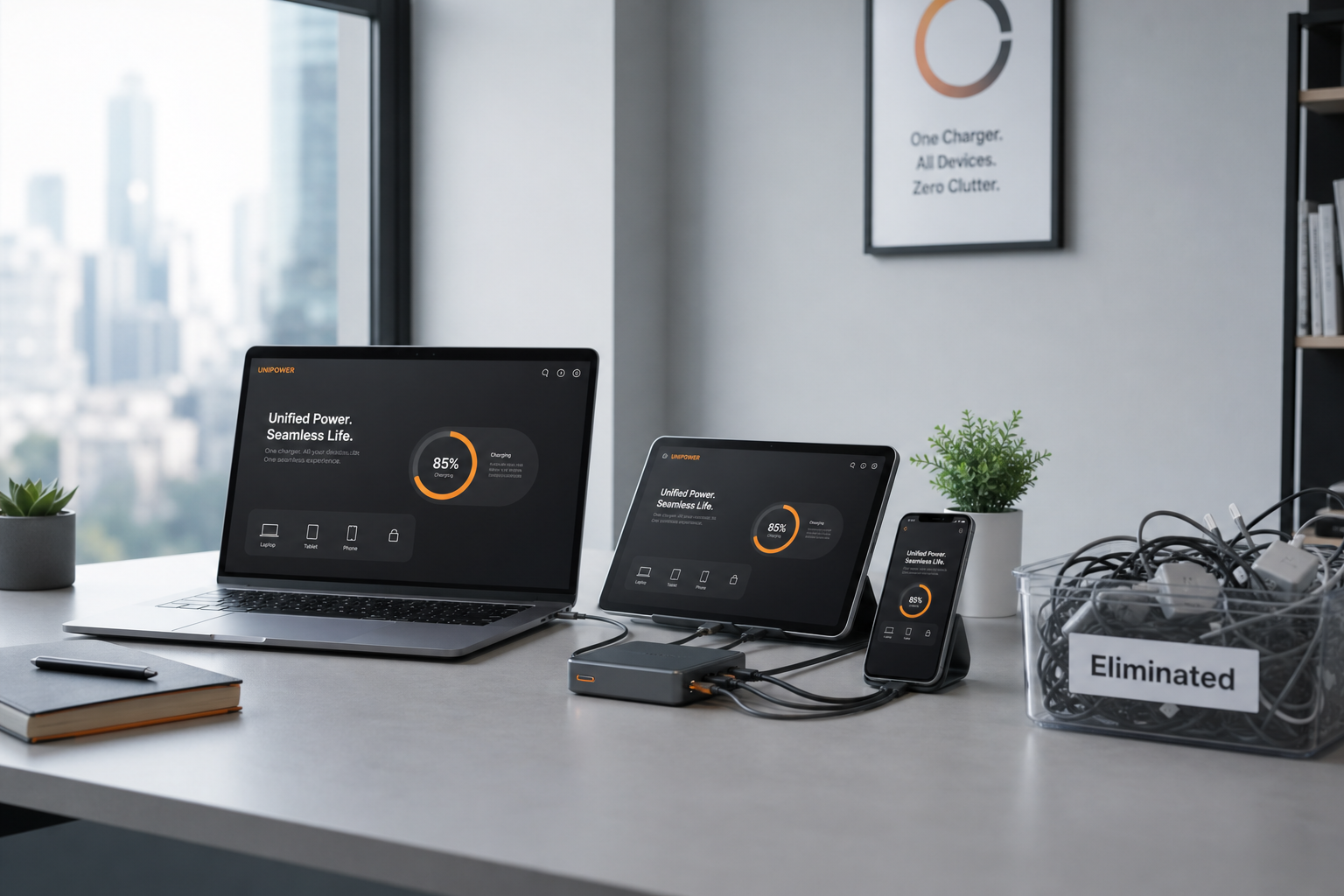
Standardization directly connects to measurable cost reduction through bulk accessory purchasing and minimized learning curves.
It builds a tech stack that scales naturally without requiring constant, expensive re-engineering.
This is an exercise in robust infrastructure-building, not merely tidying up a disorganized office space.
The leader who standardizes her technology ecosystem today makes her next hire infinitely easier.

Why Does Intentional Spending Compound?
In an enterprise where every reinvested dollar grows, paying full retail for unnecessary technology actively reduces available capital.
Approaching technology through a unified system completely shifts the financial trajectory of a growing business.

Slashing bloated subscriptions and investing strategically in depreciated hardware builds a sturdy foundation for long-term operational stability.
A focused financial discipline compounds exponentially when you refuse to overpay for baseline tools.
The funds preserved from avoiding unnecessary retail markups can be instantly reallocated to areas that truly move the needle.
These recovered assets seamlessly transition into funding new strategic hires, product development, or essential marketing campaigns.
| Quote: The entrepreneur who treats her technology budget with the identical strategic rigor as her revenue-generating decisions is not running lean out of necessity. She is running with intense intention. |

The Bottom Line
A focused financial intention compounds exponentially when you refuse to overpay for simple operational tools.
The money saved on unnecessary retail markups can immediately fund your next hire, essential course, or major marketing campaign.
Ultimately, smart business tech spending ensures every dollar works as hard as you do to build your empire.
| Author Profile: PCLiquidations is the leading online retailer of quality refurbished technology for businesses, schools, government organizations, and home users. |