
What Every Pet Parent Should Know About Preventing UTIs in Dogs

Dogs depend on us for everything, especially their health. One issue that often goes unnoticed until it becomes serious is a urinary tract infection (UTI). These infections can be painful, costly, and recurring if not handled properly. The good news is that there’s a lot we can do a lot as pet parents to prevent them.
Urinary tract infections in dogs often result from bacteria entering the urethra and traveling to the bladder. If untreated, the infection may spread to the kidneys, leading to serious complications. Fortunately, knowing how to spot the symptoms and taking daily preventative measures can help prevent and address this issue.
Why UTIs in Dogs Matter
UTIs may seem like a minor concern, but they can severely affect your dog’s quality of life. A dog with a UTI may experience burning sensations, increased urgency, and even behavioral changes from discomfort. In senior dogs or those with weakened immune systems, untreated UTIs may evolve into chronic bladder issues or kidney infections.
Recognizing and preventing UTIs is part of responsible pet ownership and fits naturally into a dog wellness routine. It’s not just about treating illness but preventing it before it disrupts your dog’s life, and yours.
Recognize the Symptoms of a UTI in Dogs
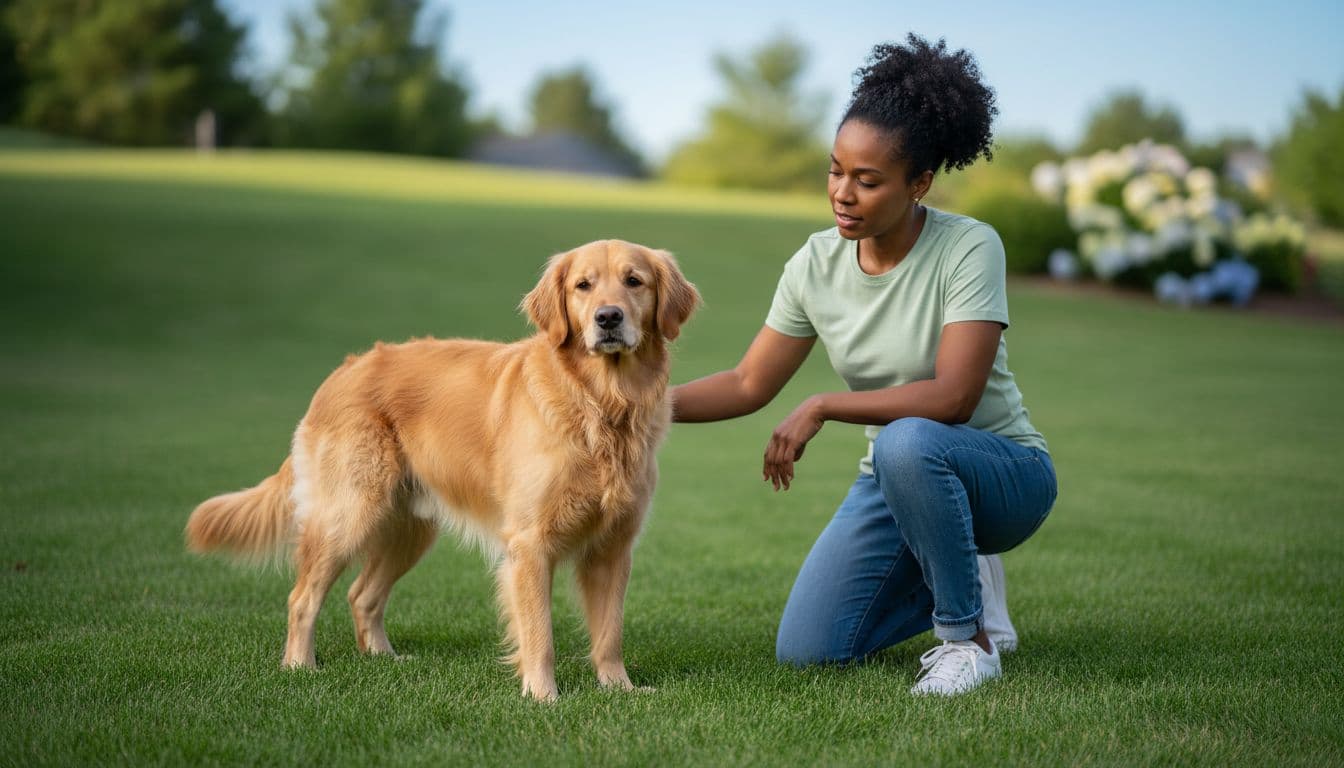
Early detection prevents complications. Pet parents should watch for these common dog UTI symptoms:
- Frequent urination or attempts to urinate with little output
- House soiling, especially in previously housetrained dogs
- Whining or straining during urination
- Blood-tinged or cloudy urine
- Strong-smelling urine
- Excessive licking of the genital area
If your dog shows any of these symptoms, visit your veterinarian immediately. UTIs require professional diagnosis and may need antibiotics or further testing to rule out underlying conditions like bladder stones or diabetes.
Understand What Causes UTIs in Dogs
UTIs in dogs usually occur when bacteria enter the urethra and multiply in the bladder. It happens due to several factors increase the likelihood of infection:
- Infrequent Urination: Dogs who hold their urine for long periods give bacteria more time to multiply.
- Inadequate Hydration: Concentrated urine becomes a breeding ground for bacteria.
- Poor Hygiene: Dirt and bacteria around the genitals can enter the urinary tract.
- Underlying Health Problems: Conditions like diabetes, bladder stones, or anatomical issues make dogs more vulnerable.
- Weakened Immune System: Aging or illness may reduce the body’s ability to fight off bacteria.
Understanding these causes helps dog parents take targeted preventative action.
How to Prevent UTI in Dogs: Practical, Everyday Tips
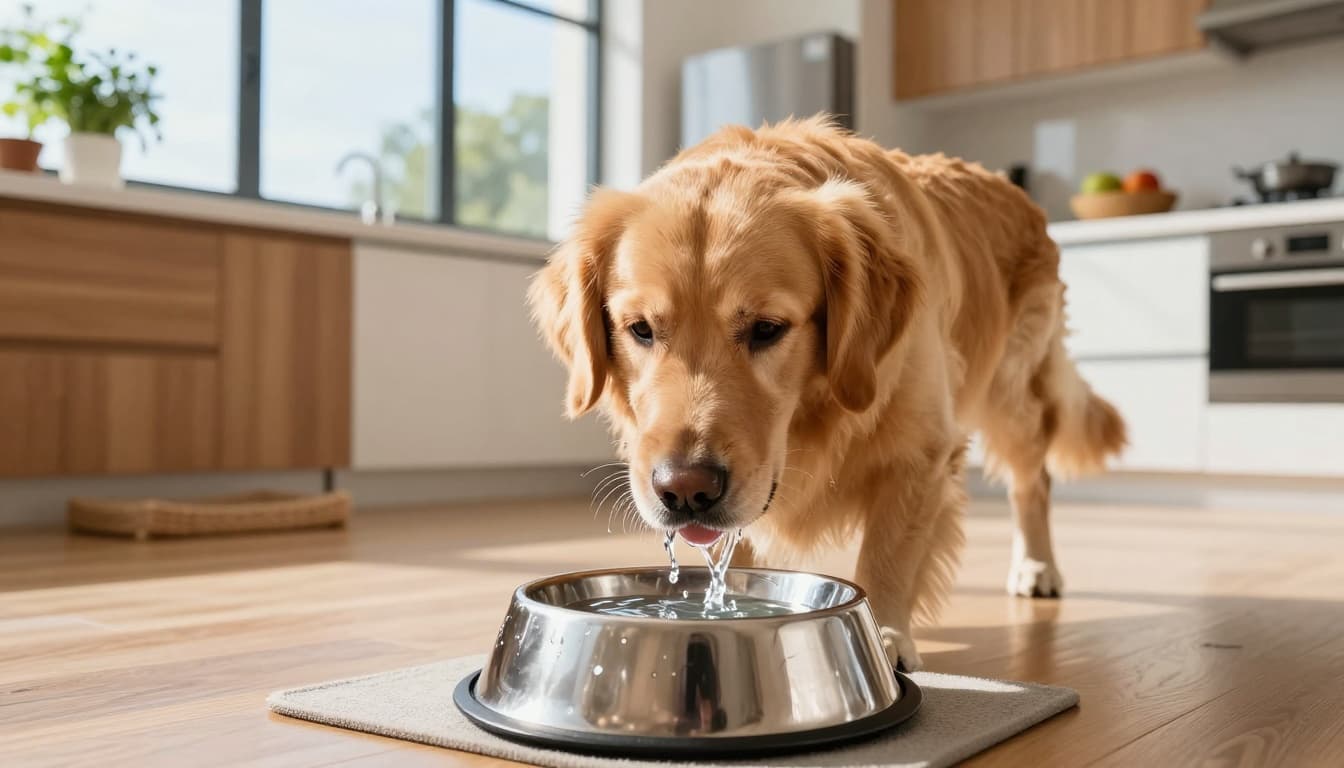
You don’t need to overhaul your life to protect your pup from UTIs. Consistent routines and simple changes can go a long way in keeping your dog’s urinary system healthy.
1. Add UTI Supplements to Your Dog’s Diet
Natural supplements can reinforce your dog’s urinary tract health, particularly if your pet is prone to infections. Look for products containing ingredients such as cranberry extract, D-mannose, and marshmallow root, which help prevent bacteria from adhering to the bladder walls.
A high-quality UTI supplement for dogs from Pup Labs provides targeted support with natural, vet-approved ingredients. It fits easily into your dog’s daily routine and works alongside a healthy diet and hygiene to support consistent urinary wellness.
2. Encourage Regular Hydration
Water helps flush out bacteria before they settle in the urinary tract. Make sure your dog always has access to clean, fresh water. If your dog resists drinking, add a bit of low-sodium broth or switch to a water fountain, which some pets prefer over bowls.
Track how much water your dog drinks. As a general rule, dogs should drink about one ounce of water per pound of body weight daily. For example, a 30-pound dog should drink roughly 30 ounces per day.
3. Establish a Consistent Bathroom Routine
Take your dog out for regular bathroom breaks. Dogs should urinate every 4-6 hours. Holding urine for extended periods can lead to bacterial buildup and infection. If you work long hours, consider hiring a dog walker or asking a neighbor for help.
4. Maintain Proper Hygiene
Clean your dog’s genital area frequently, especially after outdoor play or muddy walks. Long-haired breeds may benefit from trimming the fur around the genitals to keep the area dry and clean. Use pet-safe, unscented wipes or a warm, damp cloth to reduce skin irritation.
5. Choose a Balanced, High-Quality Diet
Feed your dog a diet that supports immune function and urinary health. Foods rich in antioxidants, vitamins, and minerals help the body resist infections. Look for dog food with real meat, minimal fillers, and added supplements like cranberry or vitamin C, which can help prevent bacterial growth in the urinary tract.
If your dog has food sensitivities, consult your vet before changing their diet. A vet may recommend therapeutic diets for dogs prone to urinary issues.
Holistic Pet Care: A Preventative Approach
Holistic pet care focuses on the whole animal, mind, body, and lifestyle. UTIs don’t happen in isolation; they reflect larger wellness patterns. By treating the cause, not just the symptoms, pet parents can promote better health outcomes over time.
Include regular vet visits in your preventative care plan. Annual checkups help monitor for signs of infection, underlying health issues, and ensure vaccinations are up to date. Vets can also provide urine tests, which may catch developing infections before symptoms appear.
Also, monitor your dog’s behavior. Subtle changes like increased urination or unusual restlessness might indicate something deeper. Trust your instincts. If something feels “off,” seek advice early.
When to See a Veterinarian
Even the best preventative measures don’t eliminate all risk. If your dog shows signs of a UTI, schedule a vet appointment immediately. Your vet may perform a urinalysis, urine culture, or imaging to diagnose the issue.
Early treatment can reduce discomfort and prevent long-term damage. Never rely solely on home remedies or delay treatment if symptoms are present.
Final Thoughts
Preventing UTIs in dogs is an important part of maintaining your pet’s health and comfort. Through simple habits like encouraging hydration, promoting hygiene, and adding daily support with a trusted UTI supplement for dogs, pet parents can reduce the risk of infections and support long-term wellness.
Always stay informed and proactive to give your dog the comfort they deserve and the care they rely on. After all, their health is in your hands, and every small choice you make can lead to a happier, healthier life for your furry family member.