
How to Prepare Your Child for Youth Sports Success
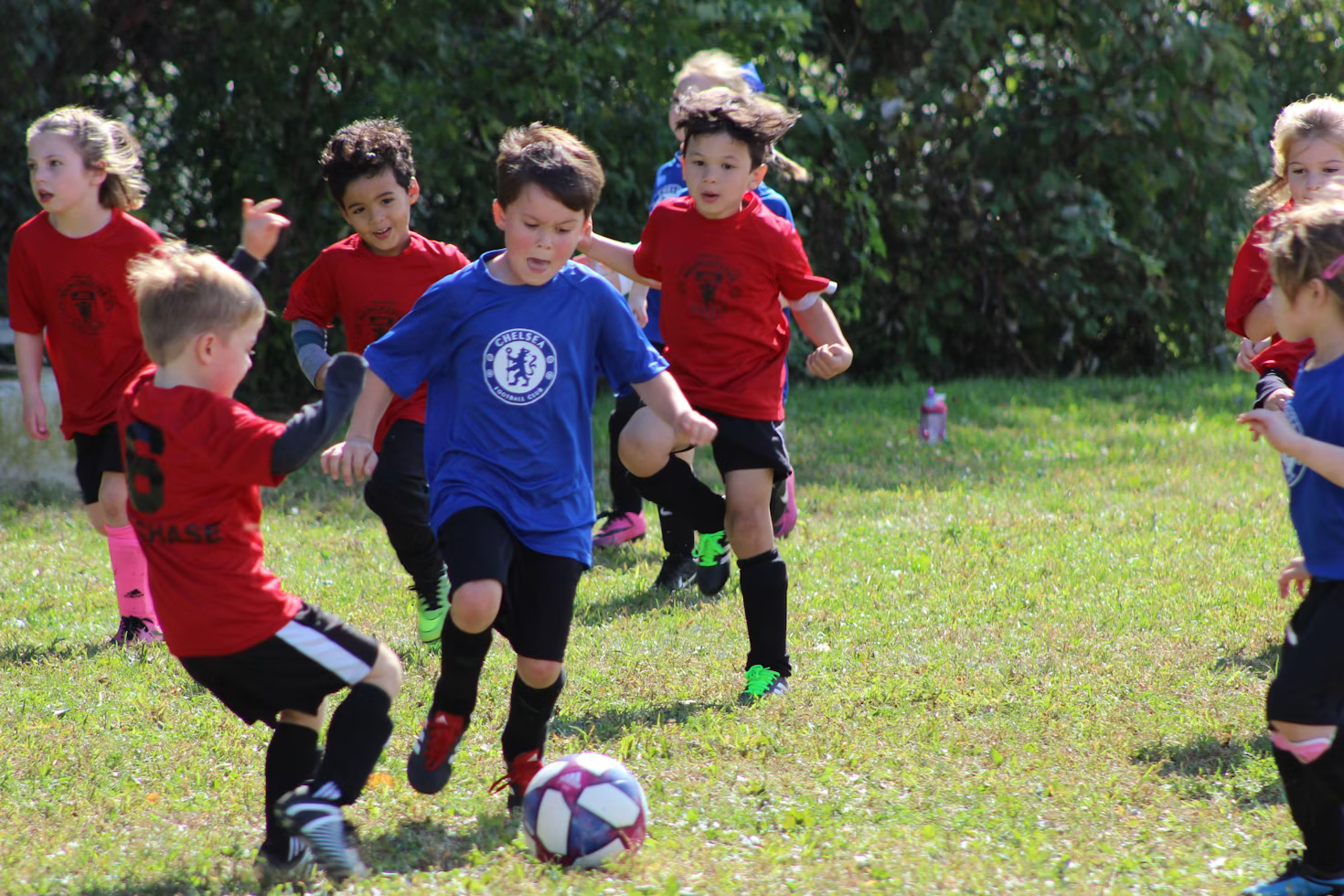
Watching your child step onto the field, court, or track for the first time is a mix of pride and nerves. You want them to succeed, have fun, and learn valuable life lessons. Preparing them for youth sports is about more than just buying the right shoes and signing them up. It involves a thoughtful approach that nurtures their physical, mental, and emotional well-being, setting them up for a positive experience regardless of the final score.
This guide will walk you through the key areas to focus on as you help your child embark on their athletic adventure, ensuring it’s a rewarding experience for everyone involved.
Setting Realistic Goals
One of the first steps in preparing your child for sports is to help them set personalized goals. It’s easy for kids (and parents) to get caught up in the idea of winning every game or being the star player. While ambition is great, the most effective goals for young athletes are focused on personal effort and skill development. Instead of aiming to “win the championship,” a more productive goal might be “learn to dribble with my non-dominant foot” or “make five good passes to a teammate each game.”
Using the SMART goal framework can be incredibly helpful. This means setting goals that are Specific, Measurable, Achievable, Relevant, and Time-bound. For example, a young swimmer’s goal could be to shave one second off their freestyle time over the next month. This is a clear, trackable target that depends on their own effort, not on how other swimmers perform.
When you help your child set SMART goals, you teach them to focus on the process of improvement, which is a powerful lesson that extends far beyond sports. Celebrate the effort and progress, not just the outcome. This approach builds intrinsic motivation and helps your child see sports as a rewarding challenge rather than a high-pressure competition.
Prioritizing Safety in Play
Before your child even begins to practice, their safety should be the top priority. A positive sports experience is impossible if a child is frequently injured or feels unsafe. This starts with a pre-participation physical exam with their pediatrician to ensure they are healthy enough for the chosen activity and to identify any potential health concerns. Proper hydration and nutrition are also non-negotiable pillars of safety, so make sure your child is drinking plenty of water and eating balanced meals.
Equally important is ensuring they have the correct protective equipment for their sport and that it fits properly. Ill-fitting or low-quality gear can provide a false sense of security and may even increase the risk of injury. For contact sports like football, this means investing in high-quality protective gear, including properly fitted youth football helmets, pads, and mouthguards. For sports like soccer, it means quality shin guards; for baseball, a batting helmet and protective cup.
Teach your child the importance of wearing their gear correctly at all times, during both practice and games. It’s also crucial to teach them to listen to their bodies and report any pain or discomfort to you or their coach immediately, rather than trying to “play through” an injury.
Building Physical Readiness
Getting a child ready for sports isn’t about pushing them into a rigorous, professional-style training program. It’s about encouraging general physical fitness and developing fundamental movement skills in an age-appropriate way. Before the season starts, encourage activities that build overall athleticism. This can include:
- Running in the park to build cardiovascular endurance.
- Playing on a playground to develop strength, balance, and coordination.
- Riding a bike or swimming for low-impact conditioning.
- Playing games like tag or catch to improve agility and reaction time.
The goal is to make fitness fun and integrated into their daily life. This “playing” is the foundation of athletic development for young children. As they get closer to the season, you can introduce more sport-specific drills, but keep them light and engaging. For a young soccer player, this might mean kicking a ball against a wall or practicing simple passing with a friend. Remember that rest and recovery are just as important as activity. Ensure your child gets adequate sleep, as this is when their bodies heal and grow stronger. Overtraining is a real risk for young athletes and can lead to burnout or injury, so a balanced approach is key.
Cultivating Mental Resilience
Sports are a fantastic training ground for life, and one of the most valuable skills kids can learn is mental resilience. They will experience wins and losses, good days and bad days. How they learn to handle these ups and downs will shape their character both on and off the field. A key part of your role is to help them develop a growth mindset, the belief that their abilities can be developed through dedication and hard work.
Encourage your child to see mistakes not as failures, but as opportunities to learn. After a tough game, instead of focusing on the loss, ask questions like, “What did you learn today?” or “What’s one thing you want to practice for next time?” This reframes the experience in a positive and constructive way. It’s also important to model good sportsmanship and emotional control yourself.
How you react to a referee’s call or a tough loss will be the biggest lesson your child takes away. Teaching them to be a gracious winner and a respectful loser is a core part of their development. This focus on effort and learning helps build confidence in kids that is rooted in their own capabilities, not in external validation from a scoreboard.
The Parent’s Role in Support
Your most important job in your child’s sports career is to be their number one fan and supporter. Your role is not to be the coach, the referee, or the critic. It is to provide unconditional love and encouragement, creating a positive experience. One of the best things you can tell your child before a game is simply, “Have fun and try your best.” After the game, the most powerful words you can say are, “I love watching you play.”
This simple phrase removes all pressure related to performance and reinforces that your love and pride are not dependent on how many points they score or whether their team wins. Be a good listener when your child wants to talk about the game, but avoid turning the car ride home into a post-game analysis. Let them lead the conversation. Attend games whenever you can, cheer positively for the whole team, and volunteer to help when possible. By focusing on support and encouragement, you ensure that sports remain a source of joy, growth, and positive memories for your child.