
How Precision Equipment Supports Safer Pharmaceutical Manufacturing
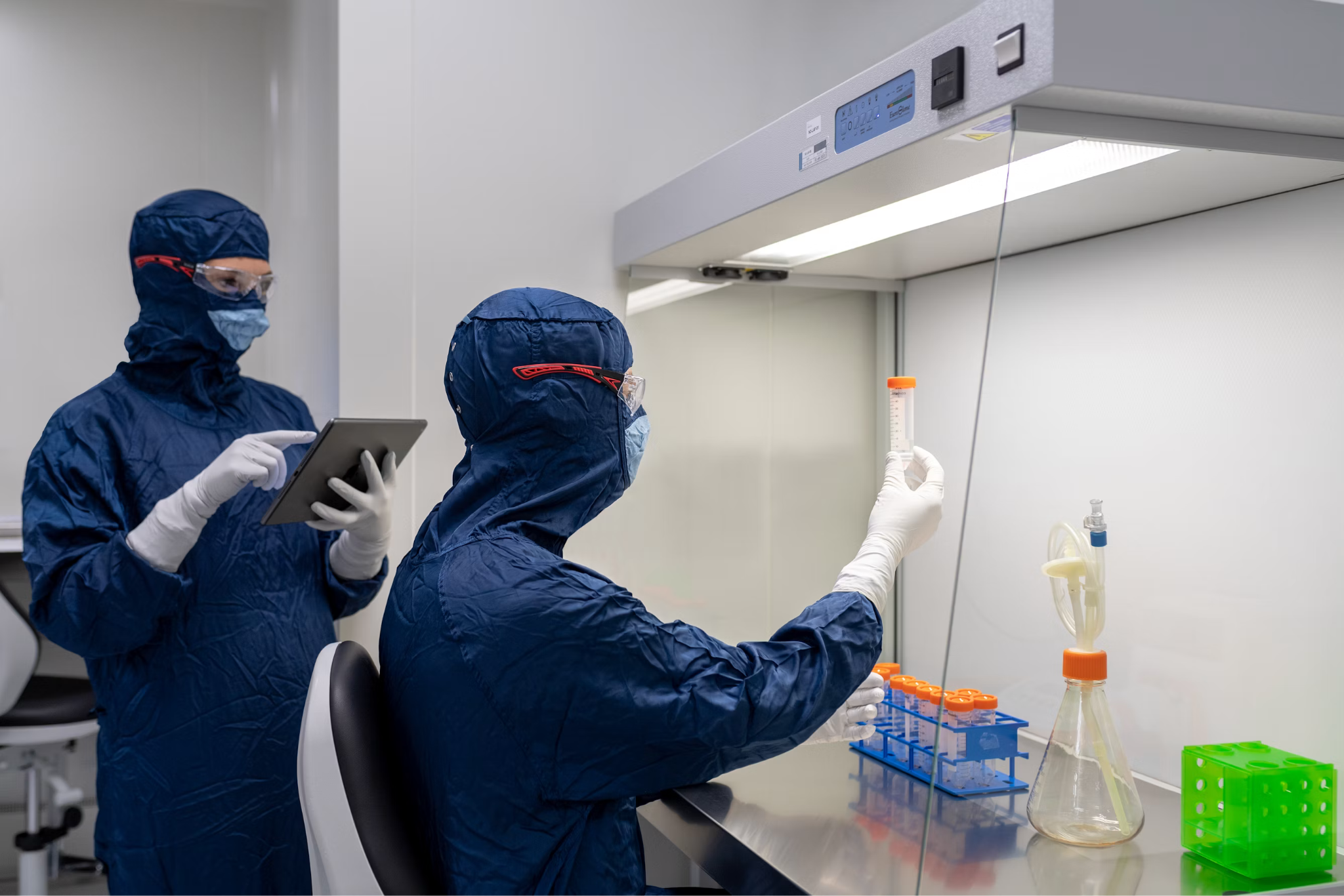
When you pick up a medication for yourself or a family member, you trust it will be safe and effective. That trust comes from a complex, carefully controlled process that happens long before the product ever reaches your medicine cabinet. A big part of ensuring that safety comes down to one word: precision. In pharmaceutical manufacturing, every step is meticulously planned and executed. The specialized equipment used is designed to guarantee purity, accuracy, and consistency.
Behind-the-scenes science and engineering help protect public health. The following explains how equipment makes the medicines we rely on safer for everyone.
What Does Precision Mean in Medicine?
In everyday life, being precise might mean carefully measuring baking ingredients. In pharmaceutical manufacturing, precision is on a completely different level. It means making sure every single tablet, capsule, or liquid dose contains the exact amount of active ingredient needed, no more and no less. It also involves ensuring the product is free from any harmful contaminants.
This dedication to accuracy is central to modern medicine. As science advances, we see more development in precision medicine manufacturing, where treatments are tailored to individuals. This level of customization would be impossible without equipment that can perform tasks with incredible accuracy, ensuring each patient gets the exact formulation intended for them.
Preventing Contamination Through Advanced Equipment
Contamination is one of the biggest risks in making medicine. Even microscopic impurities, like bacteria or dust particles, can compromise a product’s safety and effectiveness. To prevent this, pharmaceuticals are often produced in “cleanrooms,” which are sterile environments with highly filtered air.
The equipment used inside these cleanrooms is just as important. Equipment is designed to be easily sterilized and to minimize contact with the outside. For example, when transferring sterile liquids into vials, a specialized single-use filling needle might be used. These components ensure the liquid moves from one container to another without ever being exposed to potential contaminants, protecting the final product’s purity. Each component in the system, from tubing to connectors, is engineered to maintain a closed, sterile path.
Ensuring Accurate Dosing Every Single Time
Imagine a medication where even a tiny dosage variation could significantly impact a patient’s health. This is a common reality in the pharmaceutical world. Precision equipment is essential for making sure every dose is identical and accurate. Automated systems measure active ingredients by weight or volume with an accuracy impossible to achieve manually.
These systems use sophisticated sensors and controls to dispense exact quantities, often down to the microgram. They perform constant checks and calibrations to correct for any minor fluctuations. This consistency is vital not only for safety but also for ensuring the medicine works as intended. When you take a pill, you can be confident it contains the precise dose your doctor prescribed, thanks to the high level of accuracy provided by modern manufacturing equipment.
The Role of Automation in Reducing Human Error
While skilled professionals oversee manufacturing, human error is always a potential risk. Automation helps minimize this risk by handling repetitive and critical tasks with unwavering consistency. Robots and automated systems can perform complex sequences of actions thousands of times without fatigue or distraction.
From mixing raw materials to packaging the final product, automation ensures every step follows the same procedure every time. This reduces the chance of mistakes, improves efficiency, and allows human operators to focus on oversight and quality control. By integrating automation, pharmaceutical companies add another powerful layer of safety and reliability to their operations.
Safe Handling from Production to Pharmacy
The commitment to safety doesn’t end once the medicine is made. The journey from the manufacturing plant to the pharmacy involves careful handling and storage to protect the product’s integrity. Precision extends to logistics, where materials and finished products must be moved carefully to prevent damage or contamination.
Specialized equipment is used for safe material handling within the facility, moving heavy containers of raw materials or pallets of finished goods without compromising the sterile environment. Throughout the supply chain, temperature-controlled shipping and storage ensure sensitive medications remain stable and effective until they reach the people who need them.
This focus on precision at every stage gives us confidence in the treatments that help us live healthier lives. It’s a quiet but constant effort driven by technology and a deep sense of responsibility.