
Play-Based Learning Activities That Spark Curiosity
Play might look like just a fun break from “real” learning, but it’s actually one of the best ways kids pick up important skills. When children are busy building, creating, and imagining, they’re really getting their brains working in ways that formal lessons sometimes can’t. These playful moments aren’t just time-fillers; they’re the building blocks for solving problems, being creative, and loving to learn throughout life. When you see the learning potential in everyday activities, it helps you spark your child’s curiosity without needing a strict curriculum or expensive toys.
Why Play is a Powerful Learning Tool
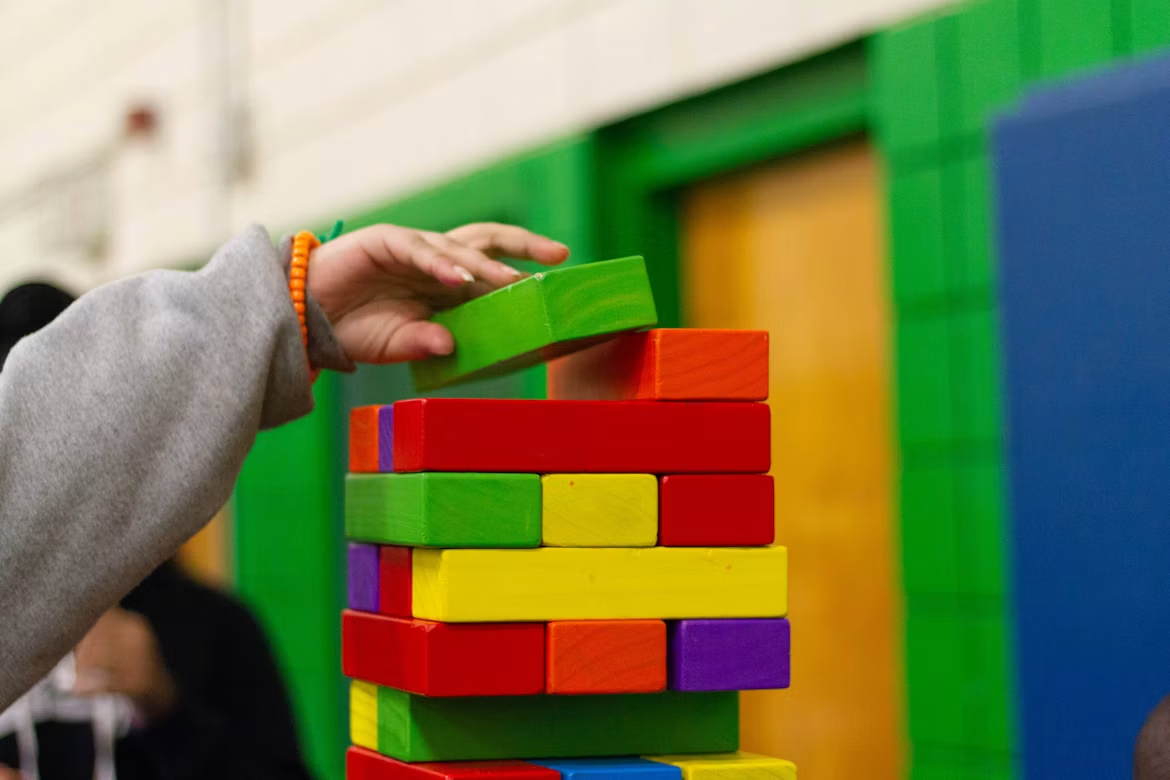
Think of play as a kind of experiment. It’s how a child asks “what if?” in a safe, easygoing way. When a toddler stacks blocks until they fall, they’re figuring out gravity and balance. When a group of kids makes up an elaborate game, they’re practicing how to negotiate, work together, and talk to each other. This kind of hands-on, self-directed learning helps ideas stick much better than just memorizing facts.
The amazing benefits of play-based learning also help with feelings and getting along with others. Play lets children sort through their emotions, try out different roles, and learn to see things from someone else’s point of view. It teaches them to bounce back when their tower tumbles and encourages them to try a new way. Instead of being told the right answer, they discover it themselves, which builds confidence and a feeling of ownership over what they know. This whole process is key to developing a curious and resourceful mind.
Kitchen Adventures: Cooking Up Curiosity
Your kitchen is like a fantastic, easy-to-reach science lab. Cooking and baking together give you endless chances to introduce basic ideas in math, chemistry, and biology in a fun, hands-on way. Following a recipe means reading, putting things in order, and measuring carefully. Doubling a batch of cookies turns into a practical math lesson, and watching dough rise is a firsthand look at a biological process.
Let your child be the one to measure the flour, crack the eggs, and mix everything. Chat about why some ingredients are solid and others are liquid, and what happens when you mix them. Ask things like, “What do you think will happen when we put this in the hot oven?” These simple chats turn an everyday chore into an exciting experiment. To build on this natural curiosity, you could try a more focused project. A guided STEM Challenge for Kids can show them how to apply scientific ideas using stuff you already have, turning a simple afternoon into an engineering adventure.
Backyard Explorers: Uncovering Nature’s Secrets
The world right outside your door is full of lessons just waiting to be found. A quick walk around the block or some time in the backyard can really get their curiosity about nature going. Encourage your child to be a backyard explorer by really noticing the plants, bugs, and animals you come across. A magnifying glass can make an ordinary ant seem fascinating, and a small patch of dirt can become a gardening project.
Start a nature journal where your child can draw what they see, press leaves, or write down observations. You can keep track of the moon’s phases, watch how plants grow towards the sun, or build a simple bird feeder and identify the birds that visit. These activities teach strong observational skills, introduce biological concepts, and help them truly appreciate the environment. You don’t need a huge yard; even a few potted plants on a balcony can offer a rich learning experience about life cycles and ecosystems.
The Art of Storytelling and Building
Building and telling stories are two sides of the same creative coin. Whether they’re using blocks, cardboard boxes, or sofa cushions, a child first dips their toes into engineering and physics by constructing things. They learn how things stand up, balance, and fit in space by trying things out. Building a fort that doesn’t fall down or a tower that reaches the ceiling is a super satisfying achievement that teaches them to stick with it and solve problems creatively.
Add storytelling to this to get another part of their brain working. The fort they just built can become a castle for a brave knight or a spaceship exploring a new galaxy. This kind of imaginative play helps them with language, understanding others’ feelings, and thinking in sequence. Encourage them to describe what they’ve made and tell you the stories behind them. Ask open-ended questions about the characters and the plot to help them build out their imaginary worlds. This mix of creative building and imaginative play helps create a flexible, innovative mind.
Fostering a Curious Mindset at Home
Beyond specific activities, one of the most important things you can do is create a home where curiosity is celebrated. This means encouraging questions, even if you don’t have all the answers. Saying, “I don’t know, let’s find out together!” is one of the most powerful phrases you can use. It shows them that learning is a lifelong journey and that it’s perfectly fine not to know everything.
Make space for messes and projects that aren’t perfect. The goal isn’t a flawless final product but the process of exploration and discovery. By nurturing curiosity and creativity, you show your child that their ideas matter and that it’s safe to take intellectual risks. Keep books, simple art supplies, and open-ended toys easy to reach. When a child can freely explore what interests them, they’re more likely to develop a real passion for learning that will stick with them for life.
The best learning moments often don’t feel like lessons at all. They happen naturally when a child is really into something they enjoy. By embracing play and looking for that educational spark in everyday life, you’re not just keeping your kids busy; you’re building a foundation for a lifetime of curiosity and discovery.