
7 Smart Packing Methods That Simplify Large Household Moves
Packing takes more time than most families anticipate when they first start the process. Starting early allows you to handle each item with care and avoid the last-minute rush.
You should focus on one area at a time to keep your energy levels high. A methodical approach keeps the transition organized and keeps your property safe from harm.

Vertical Plate Stacking
Kitchenware is often the most fragile category of items in a large family home. Most people make the mistake of stacking ceramic plates flat on top of one another in heavy stacks.
Such pressure can cause the bottom dishes to crack or shatter under the weight of the pile. Stacking them on their sides is a far safer way to transport your dinnerware.
A guide from a removals platform suggested that stacking plates vertically like records in a box creates less pressure than traditional flat stacking, reducing the risk of cracks. This method protects the structural integrity of the dish by distributing weight across the rim.
Ceramic items are much stronger on their edges than they are on their flat centers. The risk of losing a favorite set of dishes drops significantly with this change.
Room-By-Room Color Coding
Labeling every box with a simple room name can lead to confusion at the new property. Moving crews might not see small handwriting on the side of a box while they are carrying heavy furniture.
Colored tape offers a clear visual signal that movers can see from the driveway or the truck. A different color for every room makes the unloading process much more efficient.
Moving overseas requires careful coordination of shipping routes and timing. Coordinating with overseas moving specialists helps manage the complex paperwork and shipping schedules. Professionals take the weight off your shoulders by handling the heavy lifting and legal requirements. A clear system makes their job easier when they arrive at your new destination.
Vacuum Sealing Textiles
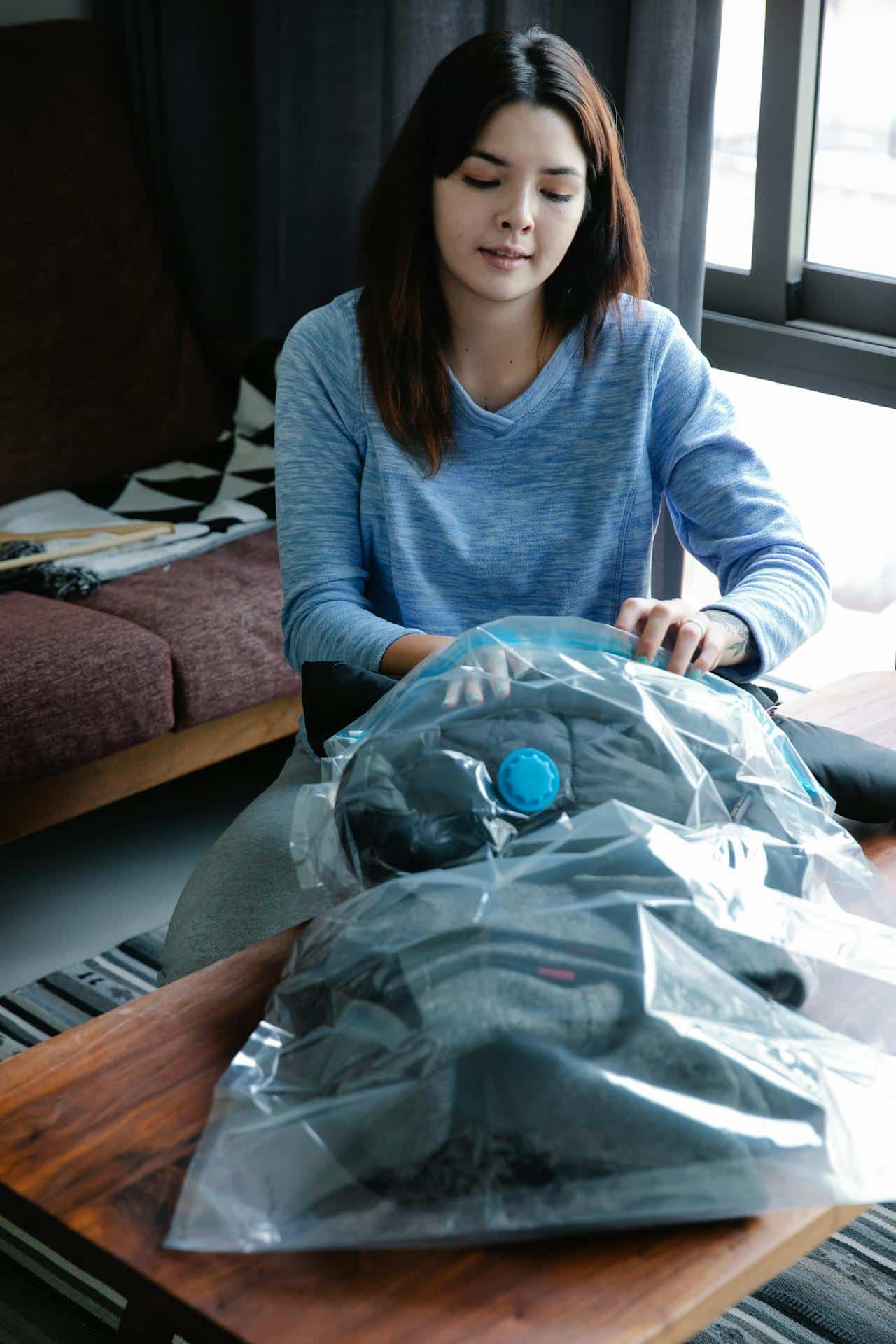
Large families often have mountains of bedding, heavy towels, and seasonal clothing to pack. Vacuum-sealed bags are useful tools for shrinking soft items to a fraction of their original size.
Shrink-wrapping your linens saves significant space in the moving van for furniture and appliances. Removing the air from these bags protects fabrics from moisture and dust during transit.
- Bulky winter coats become flat packages that fit anywhere.
- Large pillows fit into narrow gaps between boxes.
- Spare blankets occupy much less volume in the truck.
- Curtains stay clean and compact until you need them.
- Bedspreads shrink to the size of a small book.
- Seasonal clothing bundles take up zero air space.
Using a vacuum to suck the air out of the bags creates airtight seals for your textiles. These packages are easy to stack and can even serve as padding for other items.
Heavy-To-Light Weight Distribution
Packing a large box full of heavy items is a recipe for broken cardboard and physical injury. Sturdy items must always go into the box first to create a solid and stable base.
Lighter objects like lampshades or plastic toys can fill the remaining space at the top. Keeping the center of gravity low makes certain the boxes stay upright during the journey.
Shifting weight ruins the integrity of the cardboard and causes stacks to topple in the truck. Large boxes should be reserved for items that have a lot of volume but very little weight.
Small boxes work best for dense items like books or heavy kitchen appliances that are difficult to lift. You should avoid overfilling boxes to the point where the lids will not close flat.
The First Night Kit
Searching through fifty identical boxes for a single phone charger or a toothbrush is frustrating. A dedicated “day one” bag or box solves this common problem for tired families.
You should pack enough clothes and toiletries for every person in the household for at least 2 days. This kit should be the last thing loaded and the first thing opened at the new house.
Include basic tools and a small first aid kit in the bag for quick access. You might include some snacks and a small kettle for the first morning in the kitchen.
Having your favorite coffee or tea ready to go makes the first morning feel much more like home. A small set of towels and bed sheets for the first night will save you from digging through boxes.
Protective Padding With Linens
Professional packing paper is useful, but it creates a massive amount of waste after the move. Your own household linens serve as excellent padding for fragile glassware and delicate electronics.
Wrapping small glasses inside thick winter socks creates a soft and secure cushion against bumps. Soft t-shirts can be stuffed into the gaps of a box to keep items from shifting.
Stuffed animals and decorative pillows work perfectly for protecting the corners of computer screens. Using what you already own saves money and reduces the need for expensive bubble wrap.
Inventory Numbering System
A large move often involves over a hundred boxes that all look identical from the outside. Numbering every box and keeping a master list helps you keep track of every single piece of property.
Writing numbers on the side is faster than listing every item on the lid of the box. The master list can be kept on a mobile phone or in a simple paper notebook.
Checking off the numbers as they leave the old house and enter the new one helps everyone stay organized. Tracking the inventory provides a sense of control during an incredibly busy day.
You will know exactly which box contains the coffee maker or the remote controls. This system guarantees that no box gets left behind in the garage or the attic.
Focus on one room at a time to keep your energy levels high throughout the transition. Successful moves are the result of good habits and a little bit of extra preparation. You will appreciate the effort when you are sitting comfortably in your new home with everything in its right place.