Why Organic Cotton Matters Most in Your Baby’s First Year
Your baby’s first year is a season of firsts: first smile, first word, first steps. But it’s also a season of extraordinary vulnerability. A newborn’s skin absorbs far more from its environment than adult skin does, and the clothes pressed against that skin for 20-plus hours a day matter more than most parents realize. Organic cotton isn’t just a trendy label or a feel-good purchase. It’s a practical, science-backed choice that protects your baby’s health right now and the world they’ll grow up in. Here’s why it deserves a place at the top of your new-parent checklist.

Why Your Newborn’s Skin Deserves Extra Protection
Newborn skin is not simply “soft.” It is structurally different from the skin of older children and adults in ways that make it far more susceptible to irritation, chemical absorption, and allergic reactions.
The Biology Behind Thin, Porous Baby Skin
A newborn’s skin barrier is still in development during the first several months of life. The outermost layer, known as the stratum corneum, is thinner and less effective at blocking external substances. As a result, chemicals, dyes, and residues from fabric treatments can pass through the skin and enter the bloodstream far more easily than they would in an adult. Research published in dermatology journals has consistently noted that transdermal absorption rates in infants are significantly higher than in mature skin. This is not a minor consideration. It’s the biological reason why what touches your baby’s skin deserves serious thought.
Why Conventional Cotton Carries Hidden Risks
Conventional cotton is one of the most pesticide-intensive crops in the world. According to the World Wildlife Fund, cotton covers about 2.5% of the world’s cultivated land but accounts for roughly 16% of global insecticide use. The residues from these chemicals don’t always wash out completely during textile manufacturing. Plus, conventional cotton fabrics are often treated with formaldehyde-based wrinkle-resistant finishes, chlorine bleaches, and synthetic dyes, all of which have known irritant or toxic properties. For an adult with a mature skin barrier, these residues may cause little harm. For a newborn who sleeps, eats, and lives in these fabrics all day and night, the exposure adds up.
How Organic Cotton Benefits Your Baby’s Health and Comfort
Beyond what organic cotton avoids, there’s a strong case for what it actively provides. The physical properties of organic cotton fabric make it well-suited for the practical realities of caring for a newborn.
Gentler on Delicate, Sensitive Skin
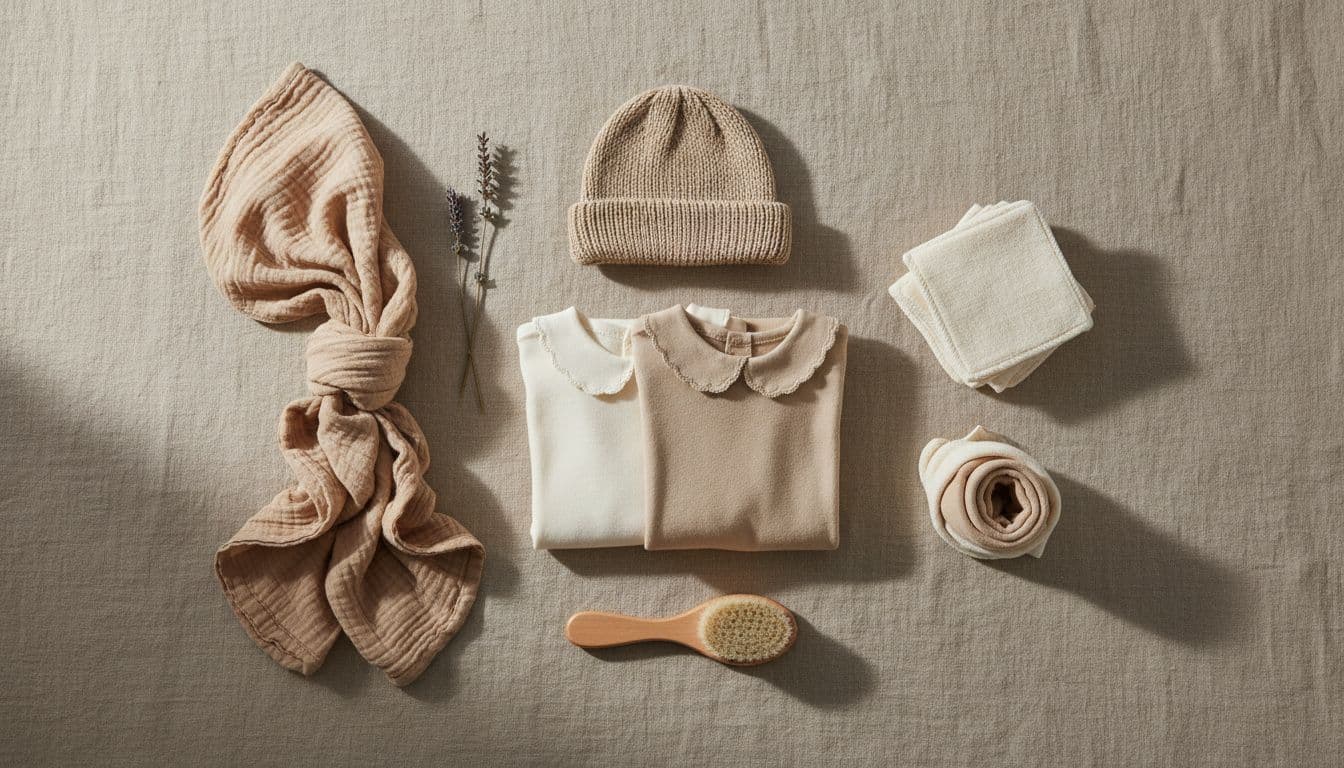
Organic cotton fibers tend to be longer and less processed than their conventional counterparts. This means the finished fabric is softer to the touch and less likely to cause friction-related irritation. For babies with eczema, contact dermatitis, or simply reactive skin, this softness is a real comfort advantage. GOTS certified baby clothes, in particular, go through rigorous testing to verify that the entire production chain, from field to final stitch, meets strict standards for harmful substance limits. Pediatric dermatologists frequently recommend soft, natural, untreated fabrics for babies with sensitive or compromised skin conditions, and organic cotton consistently fits that description. Parents who switch often report a noticeable reduction in redness and rash-prone areas, particularly around the neck, wrists, and waist, where fabric edges sit close to the skin.
Breathable, Temperature-Regulating, and Hypoallergenic
Newborns can’t regulate their own body temperature effectively. Their thermoregulation system is immature, so the fabrics they wear play a real role in keeping them comfortable and safe. Organic cotton is a naturally breathable fiber. Air moves through it freely, which helps prevent overheating, a factor linked to infant sleep safety guidelines. In cooler conditions, the same breathability allows layers to work together more effectively without trapping excess moisture. Synthetic fabrics and heavily finished conventional cotton can trap heat and moisture against the skin, which creates an environment more prone to rashes and fungal irritation. Organic cotton’s hypoallergenic properties further reduce the chance of immune reactions, which is especially relevant in the first year, before your baby’s immune system has had time to mature and calibrate.
Organic Cotton Is Better for the Planet Your Baby Will Inherit
There’s a reason so many parents think about sustainability differently the moment they have a child. The environmental choices made today directly shape the world your baby will live in as an adult.
The Environmental Cost of Conventional Cotton Farming
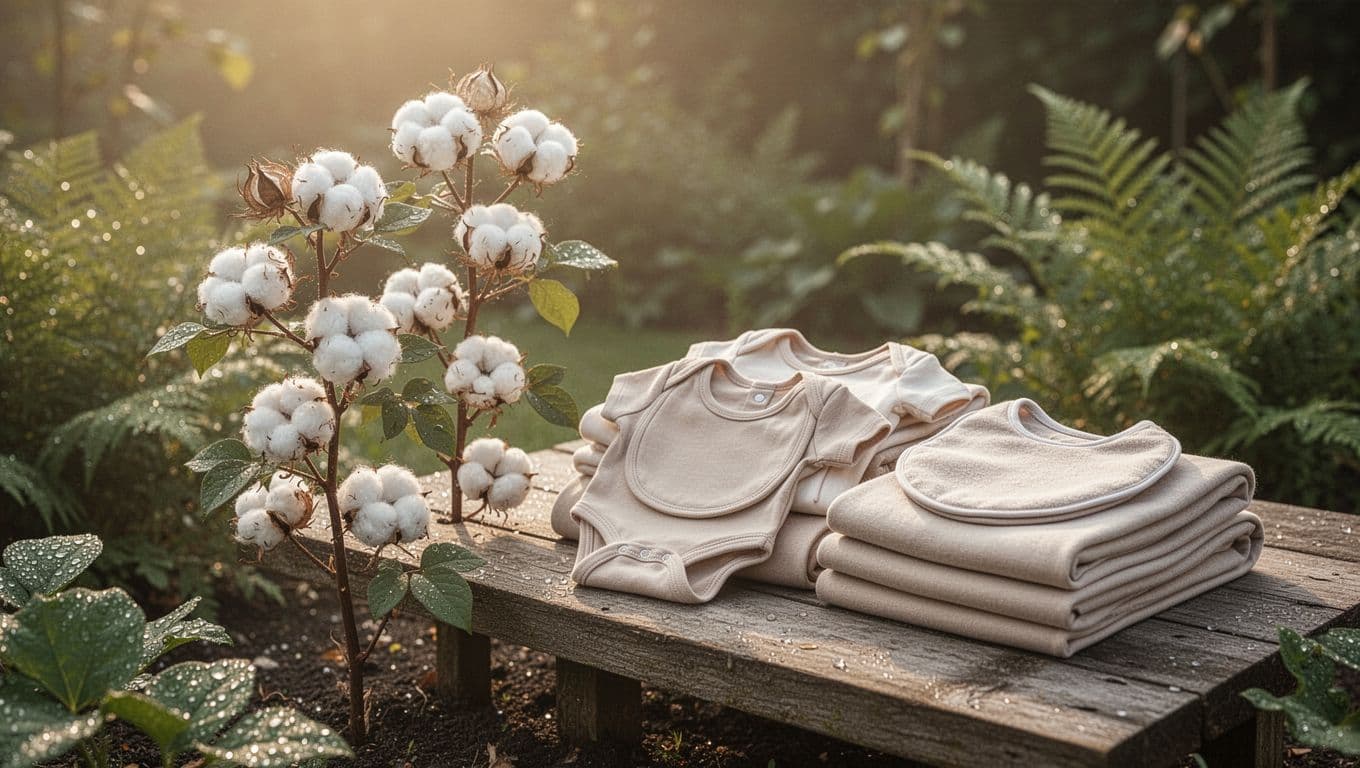
Conventional cotton farming is a significant contributor to soil degradation, water pollution, and biodiversity loss. The synthetic pesticides and fertilizers used in conventional cultivation leach into groundwater and local waterways, affecting ecosystems far beyond the farm itself. The communities that grow much of the world’s conventional cotton, often in lower-income agricultural regions, bear the brunt of these effects through contaminated water supplies and increased health risks for farmworkers.
How Organic Cotton Farming Reduces That Impact
Organic cotton farming prohibits synthetic chemicals and requires crop rotation, cover cropping, and composting practices that actively improve soil health over time. Water usage in organic cotton cultivation is also generally lower, partly because healthier soil retains moisture more effectively. Fewer chemicals in the supply chain means less runoff into waterways and less exposure for the farmers and workers involved in production. It’s a supply chain that, while not perfect, carries a meaningfully smaller footprint than conventional cotton from field to fabric.
Choosing Organic as an Investment in the Next Generation
The clothes your baby wears for a few months will be passed on, donated, or discarded. Organic cotton garments, because they’re grown and processed without harsh chemicals and treated with care during manufacturing, tend to hold up better over multiple washes and extended use. That durability means less textile waste over time. More importantly, every purchase of organic cotton sends a market signal that supports the growth of sustainable agriculture. Your choices as a consumer, even in the small category of baby clothes, contribute to a larger shift in how the textile industry operates.
How to Shop Smart: Certifications That Actually Mean Something
The word “organic” on a label isn’t always trustworthy on its own. The apparel industry has a long history of greenwashing, so understanding which certifications carry real weight will save you time, money, and frustration.
GOTS: The Gold Standard for Organic Textiles
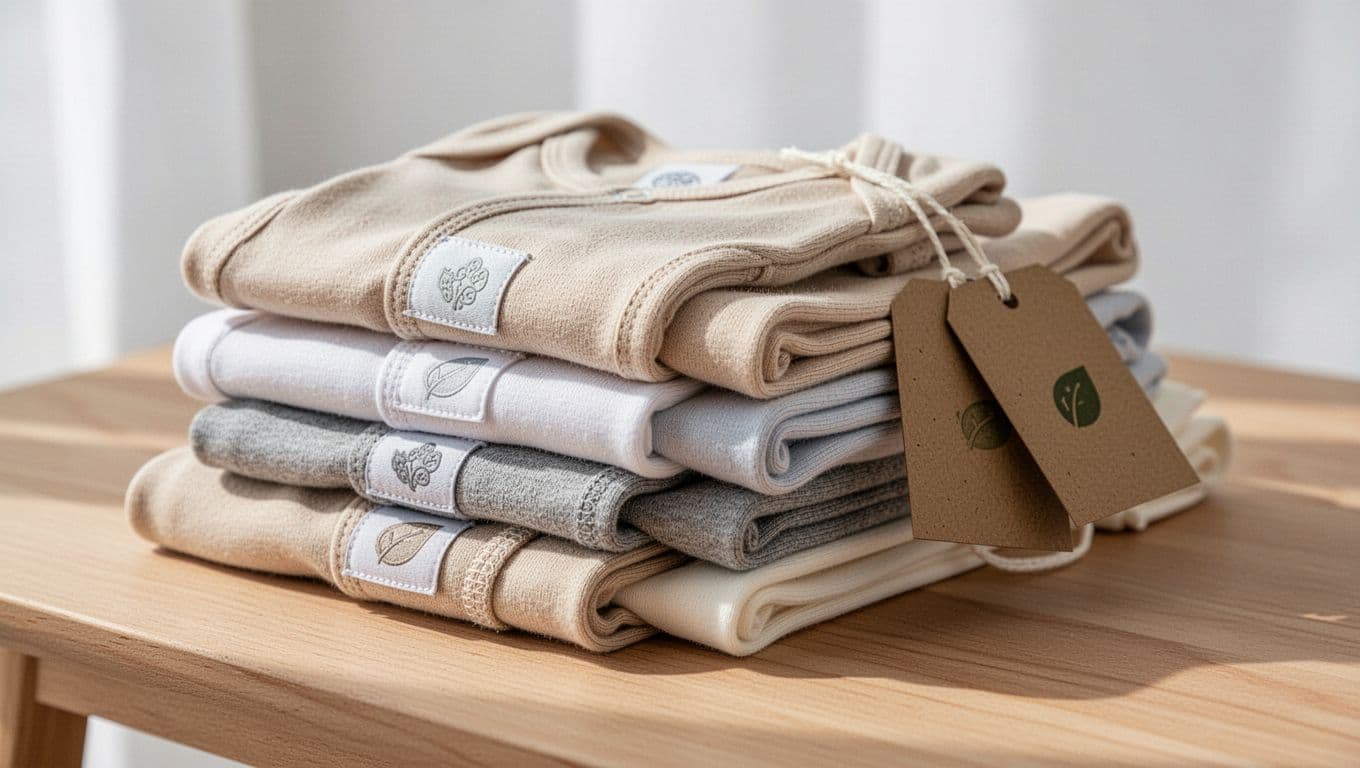
The Global Organic Textile Standard, known as GOTS, is the most widely recognized and respected certification for organic textiles in the world. A GOTS certification doesn’t just verify the origin of the cotton. It covers the entire supply chain, from harvesting the raw fiber through dyeing, spinning, sewing, and final product labeling. Social criteria are part of the standard too, which means certified facilities must meet requirements around fair wages, safe working conditions, and no child labor. For parents who want one certification they can trust without needing to research every brand independently, GOTS is the clearest signal of genuine organic quality.
OEKO-TEX Standard 100: Tested for Harmful Substances
OEKO-TEX Standard 100 is a complementary certification worth understanding. It tests the finished textile product for over 100 harmful substances, including pesticide residues, heavy metals, and formaldehyde. A product can earn OEKO-TEX certification even if it isn’t made from organic cotton, so it’s not a substitute for GOTS. But it does provide additional assurance that the final garment your baby wears has been independently tested and cleared of known toxins. Many quality baby clothing brands carry both certifications, and that combination offers a strong level of confidence.
Reading Labels and Avoiding Greenwashing
Terms like “natural,” “eco-friendly,” or “made with organic cotton” are not regulated the same way as GOTS or OEKO-TEX certifications. A product can contain as little as 1% organic cotton and still use the phrase “made with organic cotton” on its packaging. Look for the actual certification logo on the label, not just marketing language. If a brand makes strong sustainability claims but lists no third-party certifications, that’s a flag worth noting. Your time and money are better directed toward brands that back their claims with verifiable standards.
Conclusion
Your baby’s first year passes faster than anyone warns you it will. The choices you make during that window, including something as everyday as the fabric against their skin, carry real weight. Organic cotton protects a newborn’s developing skin, supports a more responsible supply chain, and holds up as a durable, thoughtful investment. Start with certified garments, read labels carefully, and trust the standards that actually mean something. Your baby deserves nothing less.