
Creating A New Kitchen At Home: All You Need To Know
It’s very important that you have a kitchen that you love, and that you are going to do everything you can to make sure it looks its best and functions as well as possible. In this post, we are going to discuss what you can do to create a new kitchen at home that is going to be perfect for you, and you’ll find all of the following really worthwhile to consider on that front. If you can get the following right, you should find that it really makes a huge difference to your kitchen for sure.
Start With Function
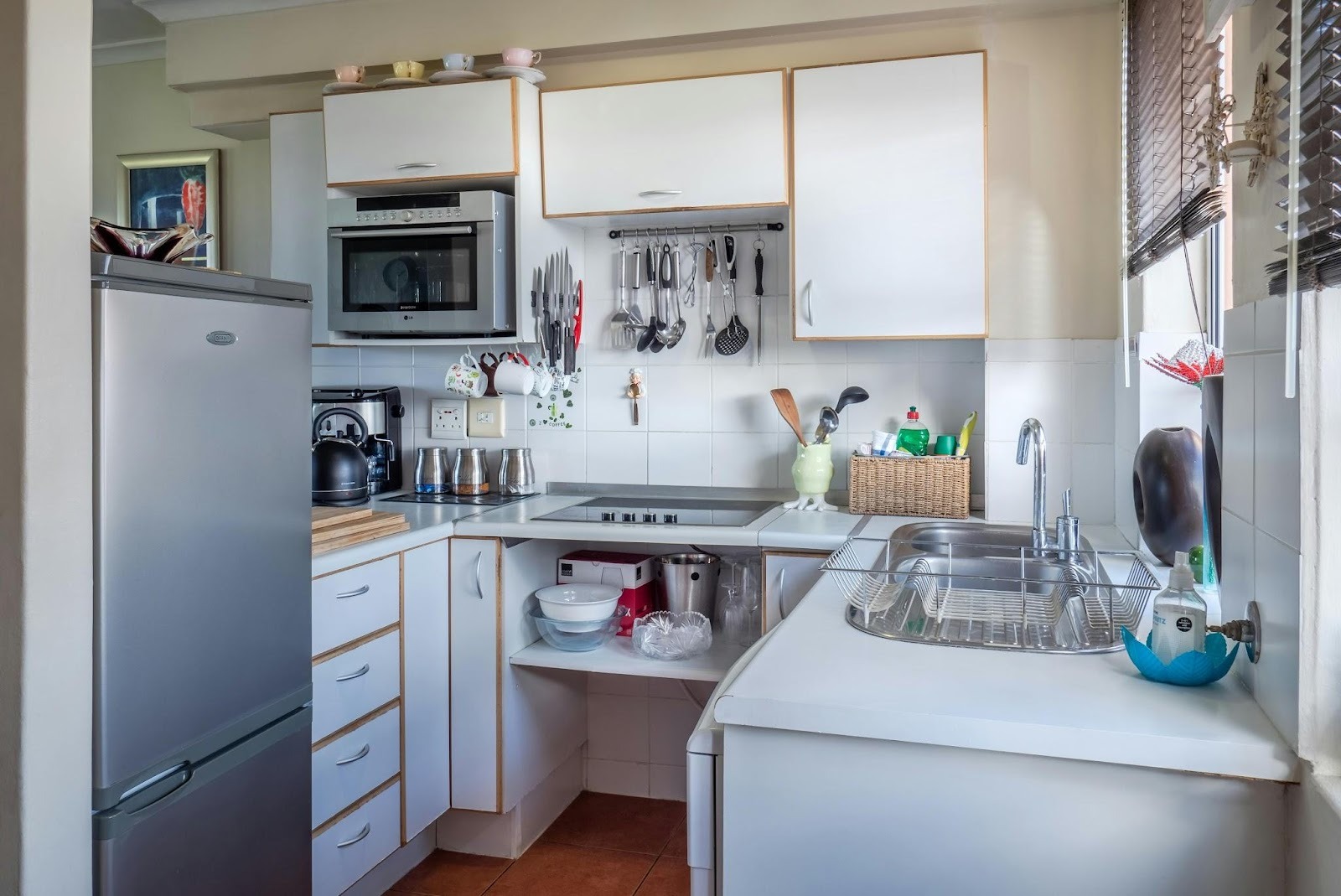
It is easy to get swept up in colours, finishes and showroom displays. Before focusing on finishes or showroom displays, take time to consider how you truly use your kitchen. Are you preparing elaborate meals most evenings, or is it mainly a space for quick breakfasts and coffee? Perhaps you entertain guests regularly. You might also need room for children to complete homework or gather after school. The classic “work triangle” still matters. Efficient movement between these points reduces wasted steps and improves safety, and that is perhaps the most important factor of all in the kitchen.
Structural Considerations
If you are knocking through walls or altering the structure of your home, you will likely need approval from your local authority. Guidance from the Planning Portal can help clarify when planning permission or building regulations approval is required. Open-plan kitchens remain popular, but they are not right for everyone. While they create a sense of space and sociability, they also expose cooking noise and mess to the rest of the home. Consider how sound, smells and clutter will travel. These are the kinds of concerns you need to be aware of from the start.
DIY Or Professional?
Confident DIY enthusiasts may be able to handle parts of a kitchen installation, such as painting or assembling flat-pack units. However, gas work, complex plumbing and electrical installations should always be completed by qualified professionals. Improper installation can void warranties, cause safety risks and lead to costly repairs later. A skilled installer will also ensure cabinets are level, aligned and securely fitted – details that significantly affect the final appearance.
Lighting In Layers
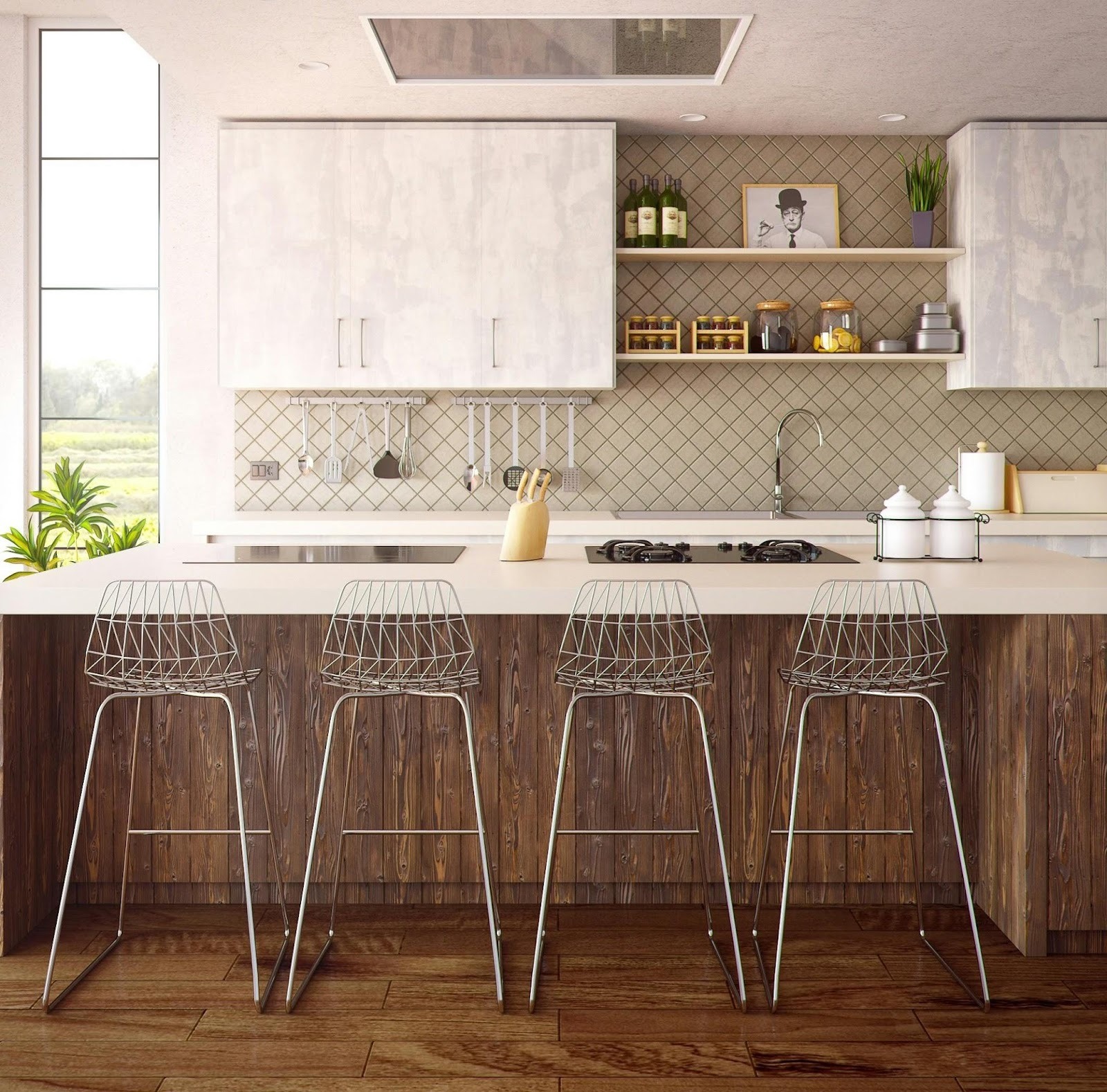
Lighting is often underestimated in kitchen design. A single ceiling light is rarely sufficient. Aim for layered lighting throughout your kitchen. Use ambient lighting for overall illumination. Install task lighting under cabinets to brighten preparation areas. Add accent lighting to highlight features or create atmosphere. Pendant lights over an island can bring personality while also providing focused light where you need it most. Position switches where they’re easy to reach, and add dimmers so you can control both the mood and energy use. If you can get the lighting right in this way, it’s really going to make a world of difference to how the kitchen turns out on the whole, and you will find that you have much more control over the final look for sure.
Creating a new kitchen at home is about more than choosing cabinets or worktops. It starts with function, thoughtful planning, and decisions that suit the way you truly live. When you focus on layout, structure, lighting, and quality installation, you build a space that works just as well as it looks.
Take your time, plan carefully, and prioritize what matters most to your household. A well-designed kitchen will serve you every day, making daily routines smoother and gatherings more enjoyable.