
7 Simple Ways to Make Your Next Move Feel Less Overwhelming
Moving sounds great on paper: a new home, a fresh beginning, a chance to refresh how your space feels. Then boxes arrive, and your to-do list triples, and that excitement can quietly turn into dread. You are not imagining that pressure. CBS News reports that in a survey, around 64% of people say recent moves are among the most stressful things they have ever experienced.
The good news is that most of that stress does not come from the move itself; it comes from not having a plan, doing everything at once, and usually alone. Breaking a move into small intentional steps makes it something you manage rather than the other way around.

Start Before You Feel Ready
The single greatest source of stress when moving is putting everything off until the final week. Give yourself some head start. Weeks before the move start packing a couple boxes each day beginning with seldom used things: out of season clothes, extra linens, books and good dishes saved for holidays. Steady pacing does two things. It prevents any single day from becoming a long race and gives you space to notice exactly what you really want to take into the next chapter.
How early should I start packing?
Three to four weeks is comfortable for most homes. If you are moving a bigger house or if you have young kids running around, you might want to give yourself a bit more time. You will rarely regret starting early; you will always regret it if you start too late.
Declutter With Intention
Moving is probably the best opportunity you’ll ever have to clean house. So use it! Take everything room by room and divide your belongings into four categories: what you’re going to keep, what you’ll give away, what you’ll sell, and what you’ll throw away. Each item you remove from your life means fewer items to pack, to carry, and to unpack when you reach your new home. And think about the positive impact you could have on your community while doing this. Local charities, second-hand stores, schools, and community organizations will generally accept gently-used furniture, working electronic equipment, books, and clothing, providing useful items to those in need and reducing the amount of waste in landfills. One fewer box to haul around, a lighter load overall, an easier move!
Pack Room By Room And Label Everything
Resist packing random objects together because they were nearby. Instead, work on one room at a time. Then put items from other areas of your home into separate boxes. It’s a longer process right now, but it’ll save you countless hours of confusion once you’re settled.
Don’t just grab something and toss it into a box. As you finish packing up each room, write the name of that room and a few items that are inside that box on both sides and top of the box, so the label stays visible no matter how things are stacked. Fox News suggests color-coding by room with different markers or tape, which makes unloading almost effortless: each box lands in the right room before it is ever opened.
Keep An “Open First” Box For Your First Night
At some point during this move, you may find yourself wanting your toothbrush, your phone charger, or even just a change of clothes – but you won’t want to dig through 15 boxes to find them. That’s why it’s helpful to create an “open first” box. Fill it with what you’ll need for the first night and first morning after arriving at your new home: toothbrushes, medications, chargers, towels, etc. Add to this box anything else that might help you start making the new place feel like home.
Hand The Heavy Lifting To Professionals
What if asking for help wasn’t about admitting defeat, but about using a strategic approach? Who’s handing out bonus points for wrestling a couch down a flight of stairs or devoting an entire weekend to carefully wrapping all those delicate items you don’t want to break?
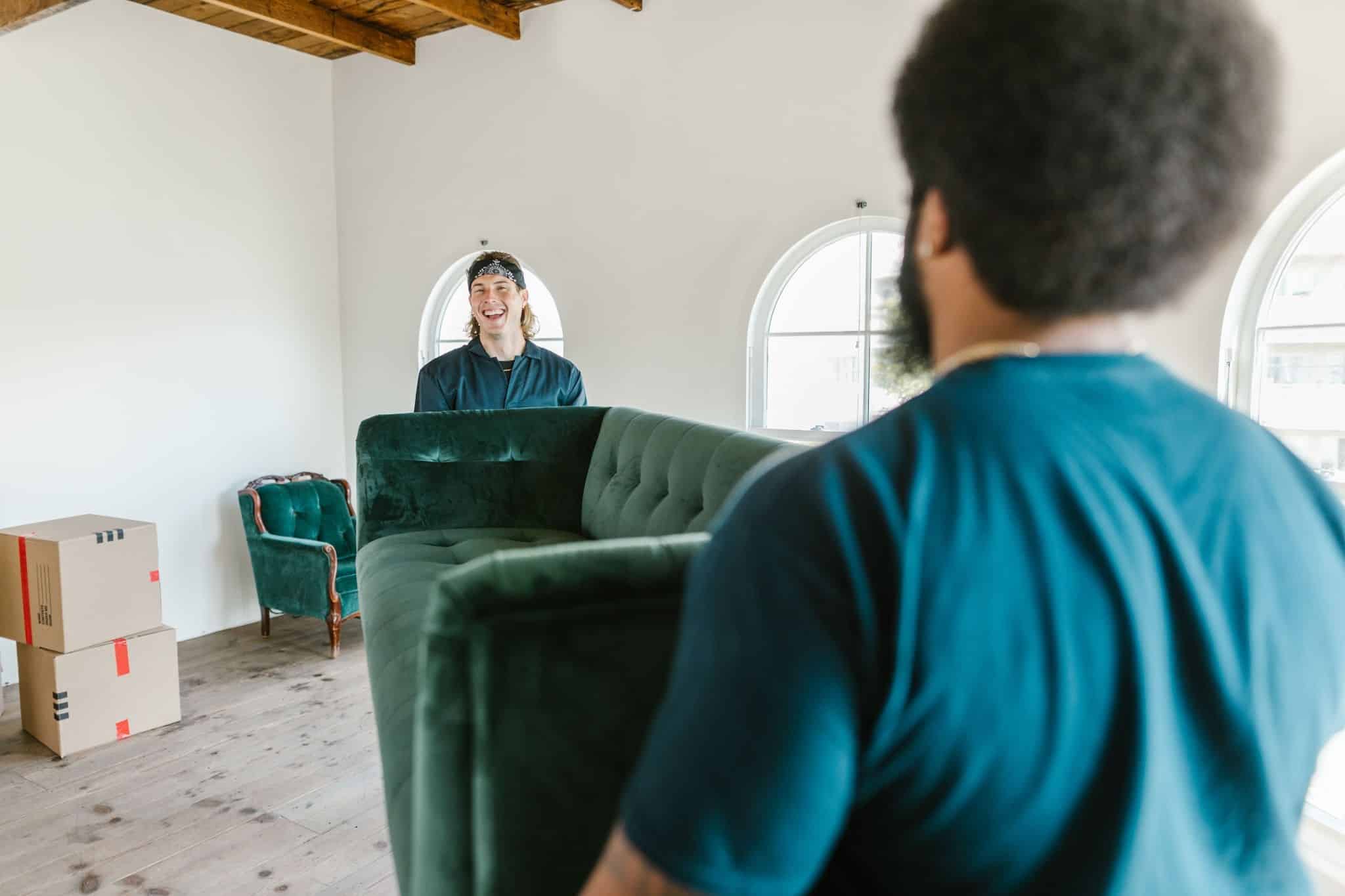
Bringing in professional packing and moving services lets a trained crew handle the wrapping, lifting, and transport while you protect your back, your schedule, and your sanity. It especially makes sense for those difficult-to-handle or hard-to-protect items like pianos, appliances, mirrors, or family heirlooms, which you’d hate to drop and possibly ruin. Delegating the hardest part frees you up for the decisions only you can make.
Update The Admin Early
The non-box-related logistical issues often surprise you later. So get ahead and fix these first. Update your address with the postal service, then work through a short list of everyone else who needs the new details: your bank, your employer, insurance, subscriptions, and any government agencies.
USA.gov provides guidance on officially changing your address and warns you away from copycat websites charging high prices to accomplish something that really doesn’t cost much money. Set up utilities at the new place before you arrive, too, so your first night comes with working lights and hot water.
What should I update besides my mailing address?
Think outside the mailbox. There are many other places where you need to give notice of your move. To avoid a mad dash to catch up with missed payments or lost mail, consider creating a list of what you need to update: driver’s license, voter registration, banks/credit card accounts, insurance contracts, and any regular delivery service. Doing this now can save you time and stress in the long run.
Protect Your Peace On Moving Day
Moving day will still be chaotic even after all the planning you’ve done. Plan for that. Have some food that actually tastes good to eat, drink enough water, and take actual breaks rather than running on adrenaline and cold coffee. Don’t expect perfection. Not every single item will be put away by the end of the first night. Just start simple. Make the bed, locate the kettle, and allow the rest of your belongings to wait until tomorrow. The objective isn’t to create a flawless first night experience; it’s simply to create a peaceful one.
Your Move Can Be a Fresh Start, Not a Breaking Point
A move only feels overwhelming when it lands as one enormous, undivided task. However, broken into smaller tasks, completed in stages over time, eliminating unwanted clutter, creating a system for packing, getting help when needed, and taking care of your physical and mental well-being, it has the potential to become just what it was supposed to be: the door to a new phase of life.