
Your Guide to Confident, Worry-Free Riding
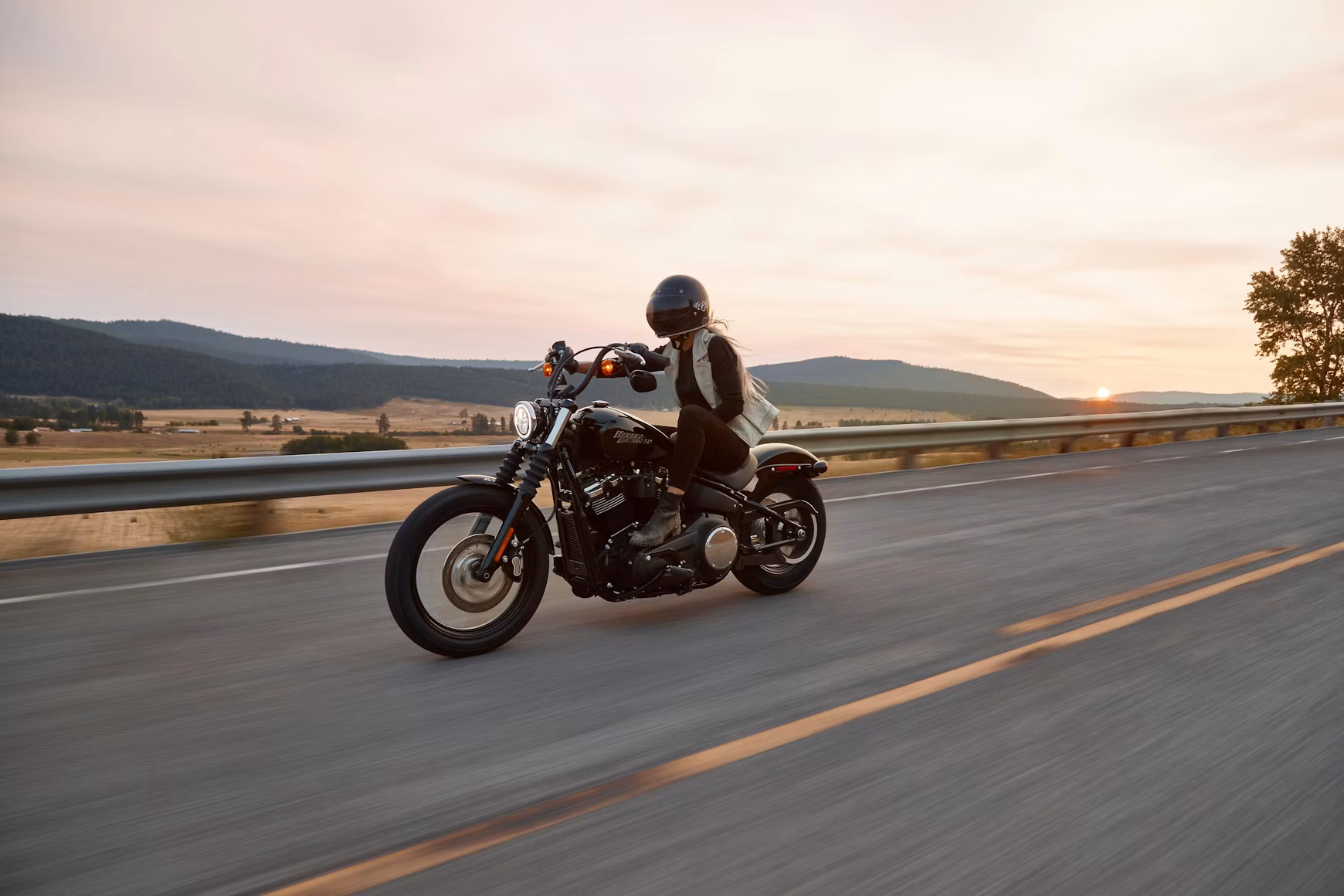
Confident riding comes from sound habits, reliable protection, and a clear plan for handling the unexpected. When your bike is ready, your documents are current, and your skills match the conditions, you can focus on the road and enjoy the freedom of riding.
That confidence takes regular attention. A simple routine before each ride and a few thoughtful decisions throughout the year can reduce stress, control costs and help you enjoy every mile more fully.
Embrace the Open Road
Freedom on two wheels feels best when your decisions are calm and deliberate. Start each ride by checking the weather, expected traffic, and road conditions. If heavy rain is forecast, allow extra time or choose a familiar route with good visibility and fewer complicated intersections.
Your mindset matters too. Road confidence grows through practical experience. Build it gradually. Take shorter rides after a long break, practice low-speed control in a safe area, and avoid setting an arrival time that encourages you to rush.
Fatigue, frustration and distraction can weaken judgment. Before setting out, consider how alert you feel. A demanding workday or poor night’s sleep may be a reason to postpone a recreational ride. If you’re already on the road and your concentration fades, find a safe place to stop.
Try to keep your attention on the next immediate task: reading the road surface, watching surrounding traffic, and maintaining a suitable following distance. That approach makes a busy route feel more manageable. It also gives you more time to respond when another road user changes direction or conditions shift without warning.
The Power of Being Prepared
Use a consistent pre-ride check, even when you’re only traveling a few miles. Look at the tires for visible damage and check that they have suitable pressure. Test the lights, indicators, and brakes, then confirm that mirrors are clean and correctly positioned. Inspect the ground beneath the bike for signs of a leak.
Irish riders can use the Road Safety Authority’s POWDER system before each journey. Check Petrol, Oil, Water, Damage, Electrics, and Rubber. Following the same sequence makes important checks easier to remember.
Preparation also includes paperwork and support. Riders in Ireland can compare motorbike insurance options that may include features such as breakdown assistance and legal protection. Read the policy terms carefully, check the excess and confirm how modifications, additional riders or overseas travel affect your cover. Store the insurer’s contact information in your phone and keep a backup copy somewhere accessible.
Plan for common disruptions as well. Save an alternate route, carry a charged phone, and tell someone when you expect to arrive on a longer trip.
A compact kit can help with minor problems. Include a tire pressure gauge, basic first-aid supplies, a portable charger, and a clean cloth for your visor. Pack water for warm days and an extra layer when temperatures may fall. These small items can turn an inconvenient delay into a situation you can handle calmly.
Choosing the Right Protection
Wear equipment that fits correctly and suits the trip. A loose helmet, oversized gloves or boots that restrict movement can create problems even if the item looks suitable. Try equipment on before buying when possible, then check that you can turn your head, operate the controls and walk comfortably.
Choose a helmet that meets the safety standards required in your location. Replace it according to the manufacturer’s guidance and after any impact that could affect its structure. Keep the visor clean and address deep scratches that scatter light at night.
Clothing should cover exposed skin and include protection at vulnerable areas such as the shoulders, elbows, back, hips and knees. Bright panels or reflective details may make you easier to notice in dim light. Waterproof outer layers are useful, but they must allow you to move freely and reach every control without strain.
Adjust your choices for the conditions. Ventilated clothing can reduce heat stress during warm weather, while insulated layers help preserve concentration in the cold. Avoid piling on bulky garments that limit movement. Several thin layers often give you better temperature control because you can remove one when the day warms up.
Check all protective items regularly. Worn fasteners, damaged seams, and compressed padding can reduce their usefulness when you need them most.
Riding with Peace of Mind
Give yourself space to observe and respond. A reasonable following distance creates a better view of road markings, surface damage and traffic changes. Increase that distance in rain, poor light or heavy traffic because stopping may take longer and other road users may act unpredictably.
Position yourself where drivers can see you, while staying ready to move if a vehicle enters your space. Avoid remaining alongside another vehicle for longer than necessary. At intersections, watch the vehicle’s wheels as well as the driver. Wheel movement can reveal that a car is starting to turn before its direction becomes obvious.
Keep your movements clear and predictable. Signal early, choose a steady line, and avoid sudden changes in speed. Check mirrors frequently, but don’t rely on them alone. A quick observation over your shoulder can help you identify someone traveling in an area the mirrors don’t cover.
Speed should match visibility and conditions, not simply the posted limit. If you can’t see far enough around a bend to stop within the visible stretch of road, reduce your speed before entering it. The same principle applies near parked cars, side roads and areas with pedestrians.
If anxiety starts affecting your decisions, stop somewhere safe. Drink water, take a few slow breaths, and reassess the route.
Maintain Your Freedom
Regular maintenance protects reliability and makes small issues easier to catch. Follow the service schedule in the owner’s manual instead of waiting for a warning sign. Record service dates, mileage, and completed work in a notebook or digital file. Those records can also be useful when selling the bike or discussing a repair.
Tires deserve close attention because pressure changes with temperature and gradual air loss may be hard to notice. Check them when they’re cold and use the manufacturer’s recommended figures. Look for uneven wear, embedded debris, and cracking around the sidewalls. If something seems unusual, ask a qualified technician to inspect it.
Keep the chain correctly adjusted and lubricated if your bike uses one. Inspect fluid levels, controls, cables and brake components at the intervals stated in the manual. Clean the bike often enough to spot loose fittings or damage hidden by dirt. Washing also gives you a chance to examine areas you might overlook during a quick pre-ride check.
Your skills need maintenance as well. Consider periodic rider training, especially after a long break or when moving to a different type of bike. Practice smooth braking, controlled turns, and low-speed handling in an appropriate setting. These exercises build familiarity before you face a demanding situation in traffic.
Key Takeaways
- Check the weather, road conditions, and your alertness before riding.
- Use a consistent pre-ride inspection before every journey.
- Keep your insurance, tax, licence, and other required documents current.
- Wear approved protective equipment that fits correctly.
- Adjust your speed and following distance for visibility and road conditions.
- Follow the maintenance schedule in your motorcycle’s owner’s manual.
- Refresh your riding skills after a long break or when changing motorcycles.
Review your annual documents before renewal dates arrive. Confirm that your contact details, bike information and declared use remain accurate. Then check your tires, charge your phone, and set out only when both you and the bike are ready. That final two-minute pause can protect the freedom you value for many rides to come.