Mold in the Workplace: Risks and Solutions
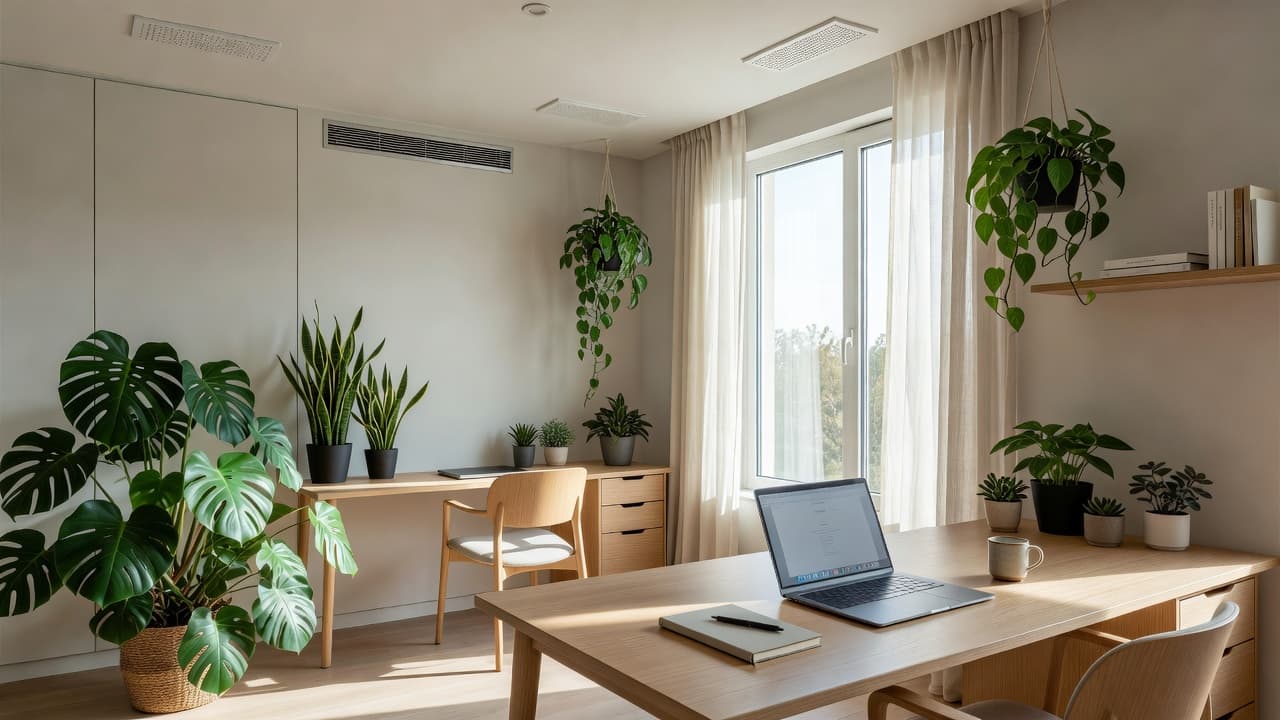
Every professional deserves a workspace that supports health and productivity, making indoor air quality a top priority. Clean air keeps our minds sharp and our bodies energized throughout the busy workday. When hidden issues compromise the office environment, our well-being and focus take a serious hit. Addressing these environmental hazards is a key step toward reclaiming a healthy workspace.
Recognizing the Silent Office Disruptor
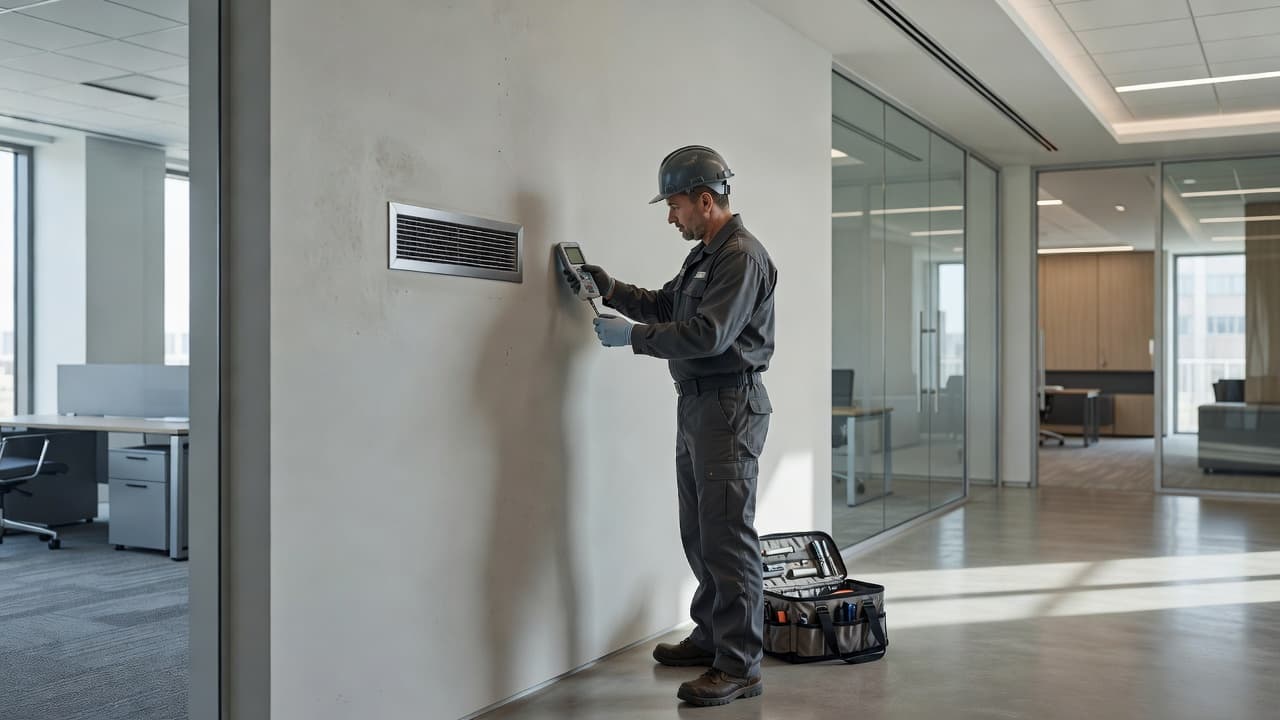
Office buildings often hide dampness in crawlspaces or ceiling cavities after heavy rains or plumbing leaks. If water builds up behind walls, hiring experts who tackle large-scale contamination is the best solution. Managers can find more on this here to understand how professional remediation methods can safely dry out contaminated building structures. This swift action protects everyone sharing the office space.
Building managers might overlook minor leaks, thinking a simple fan will dry the area. Spores spread quickly through ventilation systems, settling into carpets and fabric partitions before anyone notices a scent. Taking proactive steps to identify structural dampness protects the health of the entire team.
Common Symptoms of Workplace Exposure
Poor air quality manifests in physical symptoms that employees might mistake for seasonal allergies or simple exhaustion. A report from an environmental health group revealed that fatigue affects about 28.8% of exposed individuals, coughing impacts up to 32%, and breathing difficulties affect up to 27% of the group. These physical indicators show how deeply indoor air issues impact the human body.
These health concerns can severely drain daily energy levels and office productivity. When multiple team members complain of similar respiratory issues, the building environment deserves a closer look. Chronic exposure might even cause long-term respiratory conditions if left unchecked. Ignoring these warning signs can lead to severe health challenges for the staff.
The Preferred Climate for Indoor Spores
Fungi thrive in specific indoor conditions that are common in modern office buildings. Research published by a building sciences outlet indicated that most indoor species prefer temperatures ranging between 20°C and 30°C. Since typical office thermostats remain directly within this window, climate control settings inadvertently create an ideal breeding ground if water enters the structure.
Controlling humidity becomes a critical defense mechanism against this growth. An industry guide on workplace safety suggested using dehumidifiers to keep indoor humidity levels below 60%. Maintaining this threshold slows down reproduction and prevents new colonies from establishing themselves in communal areas.
Handling Impacted Building Materials
Once an infestation takes root, simple surface cleaning is rarely enough to solve the underlying problem. A regional remediation blog explained that porous building components like insulation and drywall cannot be salvaged once deeply contaminated, meaning they must be completely cut out and replaced. This total replacement prevents hidden spores from lingering in the workplace infrastructure.
Attempting to spray chemicals on deeply embedded growth only masks the issue temporarily. Spores remain trapped inside the fibers, waiting for the next spike in humidity to emerge again. Complete removal remains the only permanent fix for heavily impacted structural elements.
The Financial Impact of Remediation Services
The scale of this issue has created a significant economic demand for professional mitigation and cleanup tools. Industry data shows that companies spend massive amounts annually to restore commercial properties to safe conditions. A market analysis report noted that the remediation services segment dominated the entire industry in 2025.
The broader commercial data outlines the massive financial scope and operational demands of these cleaning efforts:
- Financial reports indicate the global market for removal products will grow from $4.2 billion in 2025 to $6.4 billion by 2034, maintaining a 5.3% growth rate.
- Commercial property managers increasingly allocate quarterly budgets solely for routine moisture inspections.
- Upgrading ventilation systems represents another major expense for businesses aiming to prevent long term property damage.
Property managers recognize that delaying cleanup only increases these corporate expenses gradually. Proactive remediation prevents minor problems from turning into structural crises. Investing in swift professional assistance protects both the corporate budget and worker health.
Understanding Employee Rights and Legal Grounds
Every worker has a right to a safe workplace that does not compromise their physical well-being. When management fails to act on known environmental hazards, staff members have clear avenues for accountability. A legal advisory firm noted that since toxic spores qualify as workplace hazards capable of causing severe illness, exposure can serve as valid legal grounds to launch a lawsuit.
Taking legal action is a serious step, but it highlights the necessity of maintaining corporate accountability. Employers must maintain healthy standards for their teams. Knowing your rights empowers you to speak up and demand a clean environment.
Prioritizing workplace health allows every professional to perform at their highest level, helping creativity and collaboration thrive. If you suspect your office environment contains hidden dampness or air issues, do not hesitate to raise the issue with building management. Speaking up protects your health and helps create a thriving, supportive space for everyone on your team.