
Cultivating Daily Balance: Mindful Wellness Habits for Busy Women

Daily balance grows from small choices that fit into the life you already have. A packed schedule may leave little room for elaborate routines, but simple wellness habits can still support your energy, mood, and focus. The key is to choose actions you can repeat on ordinary days, including the messy ones. Instead of waiting for an open afternoon, look for five-minute windows and familiar cues that make caring for yourself feel natural.
Start with a realistic morning anchor
Choose one supportive action to complete before checking messages or opening your laptop. You might drink a glass of water, stretch for three minutes, or sit quietly while your coffee brews. Keeping the action small makes it easier to repeat when the morning gets hectic.
If you want to build from there, the healthy lifestyle tips from Scripps Health cover practical areas such as sleep, nutrition and preventive care. Pick the suggestion that addresses your biggest need right now. A steady morning anchor can then become the cue for that habit, such as taking medication after breakfast or packing fruit before leaving home.
Let your environment support you
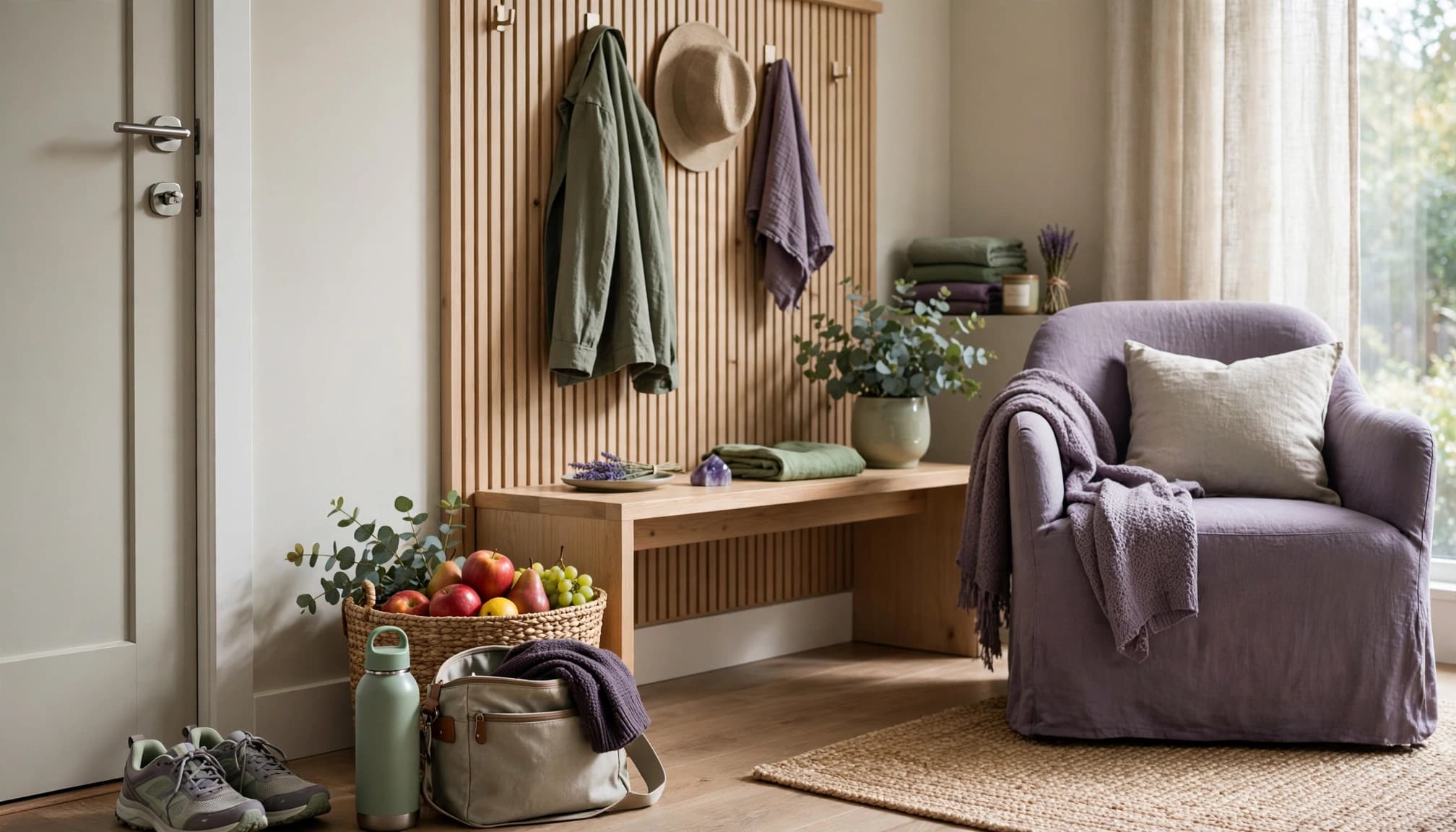
Your surroundings influence your routine more than motivation alone. Put a filled water bottle beside your work bag, leave walking shoes near the door, and charge your phone outside the bedroom. These visible prompts reduce the number of decisions you have to make when your attention is already stretched.
Wellness can also influence how shared and residential spaces are designed. A published feature on Diana Ulis offers an example of incorporating well-being into the built environment. At home, the same principle can be much simpler: clear one chair for evening reading, create a calm bedside area, or keep nourishing snacks at eye level.
Protect your energy during the workday
Schedule brief pauses before fatigue starts driving your decisions. After a 60-minute focus block, stand up, relax your shoulders and look away from the screen for a minute. At lunch, move to a different room if possible and give yourself at least 10 minutes without email.
Food matters here too. Pair protein with fiber for steadier energy, such as yogurt with berries or hummus with vegetables. Keep an easy backup meal available for demanding days so skipped lunches don’t become the default. These everyday wellness habits offer more approachable ways to support calm and energy without turning self-care into another demanding project.

Use transitions as reset points
Most days already contain natural transitions, even when free time is scarce. The school drop-off, the end of a meeting, or the moment you walk through your front door can serve as a reset cue. Take three slow breaths, release tension in your jaw, and decide what deserves your attention next.
A transition ritual can also help separate work from home life. Try changing clothes, washing your face, or taking a five-minute walk before beginning evening tasks. For more ideas that fit a crowded schedule, explore these simple wellness habits for busy women. Choose a reset that feels easy enough to use several times a week.
Make rest easier to reach
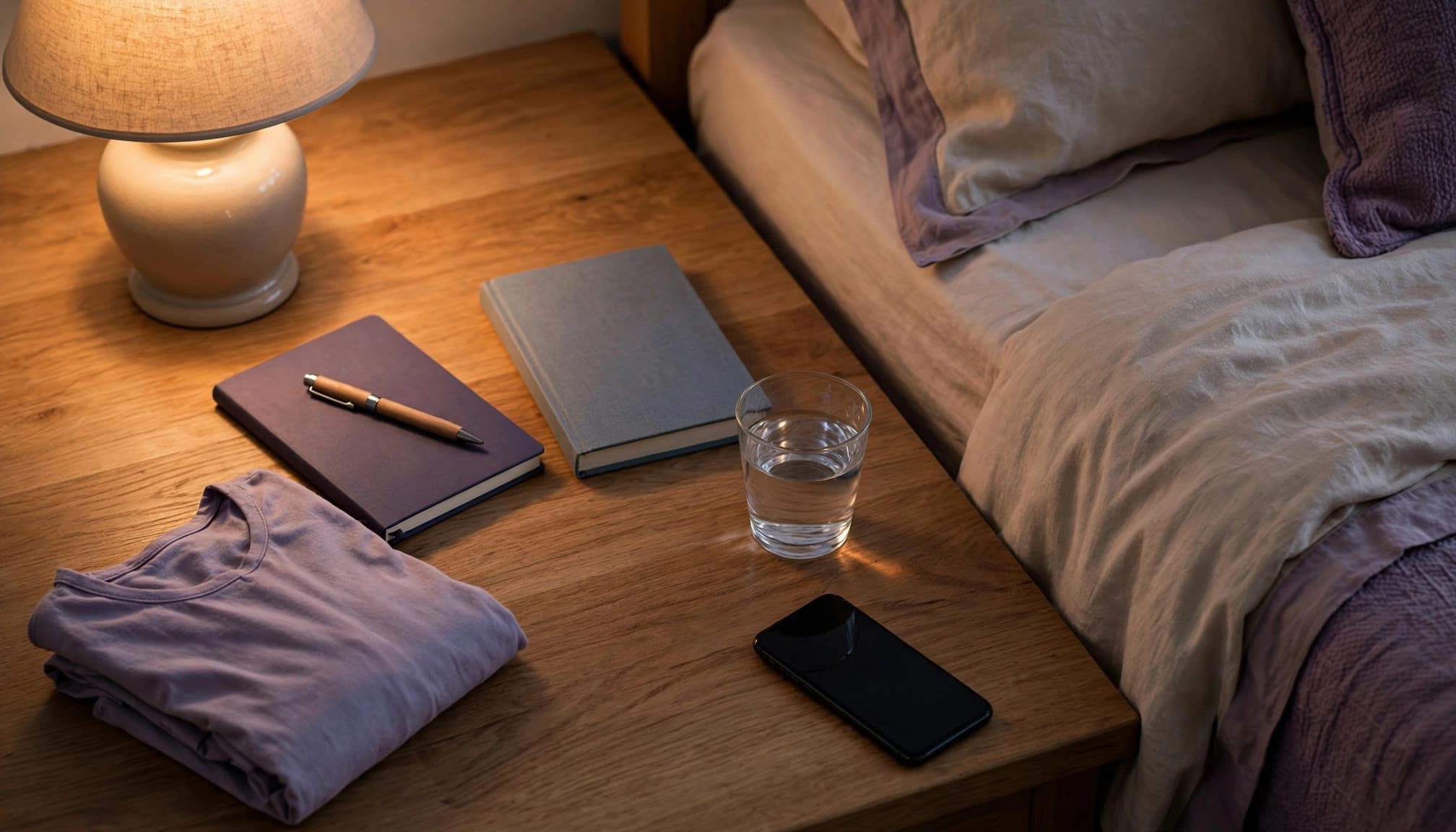
Set up your evening so rest requires fewer decisions. Dim the lights at a consistent time, place tomorrow’s essentials near the door, and write unfinished tasks on paper. Recording them can keep your mind from rehearsing the same reminders in bed.
Sleep routines don’t need to look perfect. If a full hour of quiet time isn’t realistic, begin with 15 minutes without work or scrolling. Use that window for a shower, gentle stretching, or a few pages of a book. On especially full days, protect a consistent wake time and return to your usual routine the next evening instead of treating one late night as a total setback.
Check in without judging yourself
Once a week, take five minutes to notice which habits supported you and which ones created pressure. A useful check-in can be as simple as three questions: When did I feel most energized? What drained me? Which routine would make next week easier?
Adjust your plan based on those answers. You may discover that a lunchtime walk works better than an early workout or that preparing breakfast matters more than maintaining a detailed morning routine. Daily balance changes as work, family needs, and health needs shift. Keep the habits that make ordinary Tuesday mornings and Thursday evenings feel more manageable, then let the rest go without guilt.