
Finding Meaningful Gifts Beyond Material Possessions
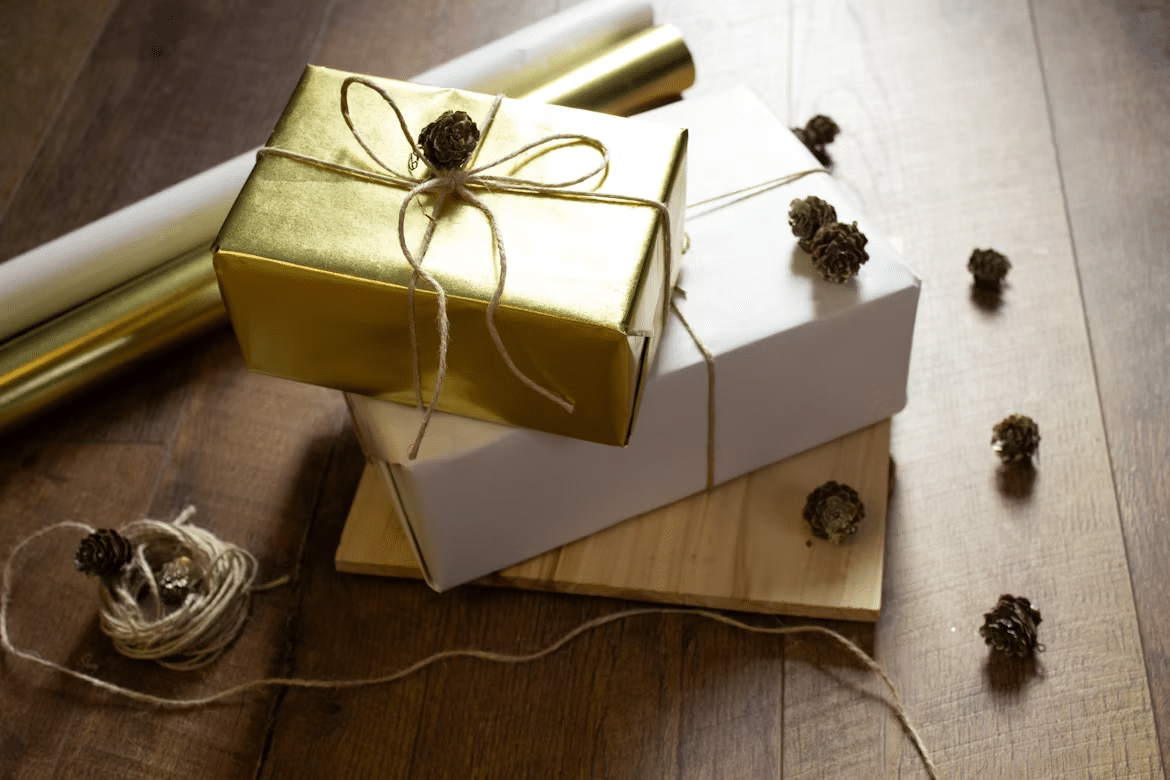
The best gifts reflect how well you know someone and what they value. A thoughtful present can offer time together, preserve a beloved memory or create an opportunity for a new story. It does not always need to be expensive or elaborate. The most meaningful gifts often show that you noticed what matters to someone and took the time to make it personal.
Finding the right gift starts with paying attention. Listen for the stories a loved one repeats, the people they miss and the activities they keep meaning to try. A favorite family tradition may suggest one idea. A hobby they have recently discovered may point to another. Even a simple comment about something they wish they had more time to do can become the starting point for a memorable gift.
Meaningful gifts can also strengthen relationships. An experience can create a memory that lasts well beyond the day it happens. A family keepsake can preserve stories that might otherwise disappear. A shared meal can create space for conversations that busy schedules often push aside.
The best choice depends on the person rather than what happens to be popular. Think about their interests, relationships, memories and current stage of life. Consider whether they would value an experience, a practical item or something they can pass down to others.
When you focus on meaning instead of price, gift-giving becomes more personal. You are not simply choosing something to unwrap. You are creating an opportunity to connect, remember, celebrate or make someone feel understood. These are the gifts people often remember long after the occasion has passed.
The Search for True Meaning
Meaningful gift-giving begins with the recipient’s life, interests and relationships. Think about what has changed for them over the past year. A busy parent may value an afternoon with no responsibilities, while a grandparent might appreciate help organizing family photographs.
Experts discussing thoughtfulness in gift-giving emphasize the emotional message behind a present. You can apply that idea by writing down three things the person cares about before shopping. Include one current interest, one treasured memory and one relationship they value. This quick exercise shifts your attention from popular products to gifts with personal relevance.
Experiences Over Objects
An experience gives the recipient something to anticipate, enjoy and remember. It could be a pottery class, museum visit, garden tour or afternoon spent cooking a family recipe together. Choose an activity that suits the person’s energy level, schedule and comfort zone.
Research into experiential gift meaning explores how people interpret meaningful consumption experiences. The practical lesson is simple: match the activity to the person instead of choosing what sounds impressive. Set a date when possible and handle details such as reservations or transportation. A vague promise can easily disappear into a crowded calendar, while a planned outing becomes a real gift.
Gifts That Build Connections
Connection-focused gifts invite people to talk, listen and learn more about one another. For an adult child hoping to gather a parent’s memories, a meaningful gift for mom can take the form of private guided questions with options to preserve answers through text and voice recordings. This gives families a practical way to collect life stories while their loved one can still tell them firsthand.
Shared meals can create the same kind of opening for conversation. These ideas for shared dining experiences show how food can bring people closer. Keep the gathering manageable, invite a small group and ask each guest to contribute a recipe or memory.
The Power of Shared Stories
Stories give ordinary objects and traditions their emotional context. A handwritten recipe becomes more meaningful when it includes a note about Sunday dinners. An old photograph gains depth when someone records the names, place and reason everyone had gathered.
Start with specific prompts because broad requests such as “Tell me about your childhood” can feel overwhelming. Ask about a first job, a favorite teacher or a holiday tradition instead. Record the answer with permission or write down key details immediately afterward. Add dates and full names while the information is fresh. Even a 15-minute conversation each month can build a valuable family record over the course of a year.
Creating a Lasting Legacy
A legacy gift should be easy for other people to understand and access. Label photo albums clearly, type handwritten recipes into a shared document and save recorded stories in organized folders. Use file names that include a person, subject and approximate year, such as “Maria-college-memories-1978.”
Consider the practical future of the gift, too. Tell a trusted family member where digital files are stored and keep a second copy of anything irreplaceable. For physical keepsakes, use acid-free sleeves and avoid direct sunlight or damp storage areas.
Explain Why the Gift Matters
The most memorable finishing touch may be a short note explaining why you chose the gift. A few honest sentences can become part of the keepsake itself, giving the recipient a story to preserve alongside it. Your note does not need to sound formal or carefully planned. It can simply explain what reminded you of the person or why you thought the gift would matter to them. These small details can make an ordinary present feel much more personal.
Think about the memories connected to the gift. If you give someone a family photograph, explain why that particular moment matters to you. If you share a favorite recipe, mention the meals or family gatherings that inspired it. If you plan an experience, tell the recipient what you hope you will enjoy together. These details give the gift a deeper emotional connection.
You can also write about what you appreciate about the person. Mention a quality you admire, a memory you treasure or a lesson they have taught you. Keep the message specific because personal details often carry more meaning than general compliments.
Preserve the Meaning for the Future
Consider placing the note somewhere it can be saved. Tuck it inside a book, attach it to a keepsake or include it with a photo album. For digital gifts, save the message with the files so future family members can understand its meaning.
A thoughtful gift does not have to become valuable because of its price. Its lasting value can come from the story attached to it. When you explain why you chose something, you give the recipient more than an object. You give them a memory, a feeling and a piece of your connection that they can keep for years.