
What Medical Experts Recommend For Managing Hormone Changes
Hormone changes are a natural part of life, yet they often bring a wave of physical and emotional shifts. Many people feel overwhelmed when their bodies begin to act differently. Understanding these transitions is the first step toward feeling better. Modern medicine offers many ways to stay comfortable and healthy during these years. You can find relief through lifestyle adjustments and medical support tailored to your needs.

Understanding Early Signs
Your body often sends signals long before major changes occur. These might include shifts in sleep patterns or sudden mood changes. Tracking these symptoms helps you and your doctor find the right path forward.
One recent article noted that hormone therapy remains the primary treatment for hot flashes and bone health. These options work best when started at the right time. Research shows that people who start hormone therapy within 10 years of their symptoms beginning see a drop in overall mortality risks. This window of time is a key factor for heart health and bone density.
Navigating Midlife Transitions
Professionals suggest looking at your health history to see if this approach fits your lifestyle. This helps ensure that the treatment is both safe and effective for your specific body. Managing symptoms like menopause is easier when you have a clear plan.
Every person experiences these transitions uniquely. What works for a friend might not be the best choice for you. Staying informed about your options allows you to make decisions with confidence.
Modern Medical Advances
New options are becoming available as science moves forward. Doctors now have more tools than ever to help with temperature regulation and sleep quality.
- Low-dose prescriptions for specific symptoms
- Non-hormonal medications for those with certain health risks
- New delivery methods like skin patches or gels
The Importance of Bone Health
Skeletal strength becomes a major focus for medical experts during hormonal shifts. As levels of certain hormones drop, the body may lose bone density faster than it can replace it. Weight-bearing exercises are a great way to combat this natural process.
Experts often recommend a mix of resistance training and balance work. This combination helps prevent falls and keeps the frame strong. You might find that lifting small weights 2 or 3 times a week makes a big difference.
Sleep and Mental Clarity
Rest is often the first thing to suffer when internal chemistry changes. Many people report waking up in the middle of the night or feeling a general sense of “brain fog.” This can impact your performance at work and your patience at home.
Creating a cool environment in the bedroom can help mitigate night sweats. Using fans or specialized bedding keeps the body at a steady temperature. Setting a strict schedule for winding down also signals to your brain that it is time to rest.
Nutritional Foundations
Food choices play a big role in how your body handles internal shifts. Eating a balanced diet helps stabilize energy levels throughout the day. Experts suggest focusing on whole foods that support bone strength and heart health.
Processed sugars can often make mood swings or hot flashes feel worse. Swapping these out for complex carbohydrates provides a steadier stream of energy. Focus on leafy greens and lean proteins to keep your metabolism running smoothly.
Cardiovascular Wellness
Heart health should be a top priority during this stage of life. Hormonal shifts can sometimes affect cholesterol levels and blood pressure. Monitoring these numbers with your doctor ensures you stay ahead of any potential issues.
Aerobic exercise helps keep the heart muscle strong and efficient. Aim for 30 minutes of activity that gets your heart rate up most days of the week. This could be a brisk walk, a swim, or even a bike ride through your neighborhood.
Managing Daily Stress
High stress levels can make physical symptoms feel much more intense. Finding ways to relax is not just a luxury – it is a medical necessity. Meditation or deep breathing exercises can lower cortisol levels in the body.
Taking time for yourself each day helps maintain a sense of balance. Whether it is reading a book or spending time in nature, these moments matter. Small habits build up over time to create a much more resilient mindset.
Genetic and Historical Factors
Your family history often provides clues about how your body will handle these changes. Knowing when your mother or sisters went through similar phases can help you prepare. This information is valuable for your medical team when they design a care plan.
Some people may be at higher risk for certain conditions based on their DNA. Discussing these factors openly with a professional allows for more personalized care. This ensures you are getting the specific support your body requires.
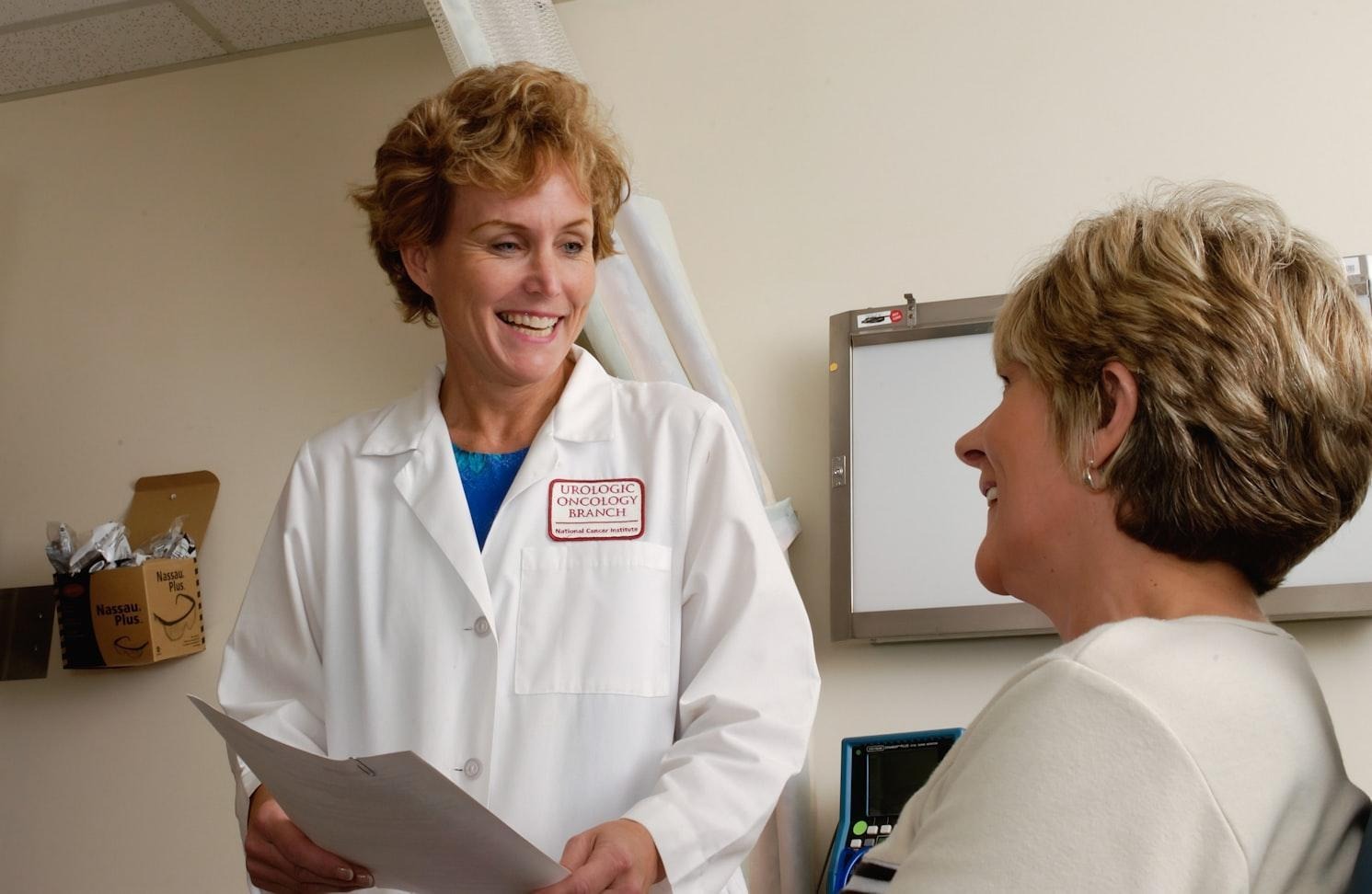
Taking a proactive approach allows you to maintain a high quality of life and stay active for many years to come. Your healthcare provider is your best partner in this journey toward long-term wellness. Focus on the things you can control and give yourself grace as your body moves into its next chapter. Staying informed and staying active are the best ways to ensure you feel like yourself throughout the process. Reach out for support when you need it and celebrate the progress you make each day.