
Practical Ways to Make Your Home Feel Welcoming
A welcoming home isn’t about spending money on new furniture. It’s about fixing the small friction points that make guests feel like an afterthought. Most of these fixes take a weekend. Some take an hour. Here’s what actually works, based on how people move through a space, not just how it looks in photos.
Fix the Entryway First
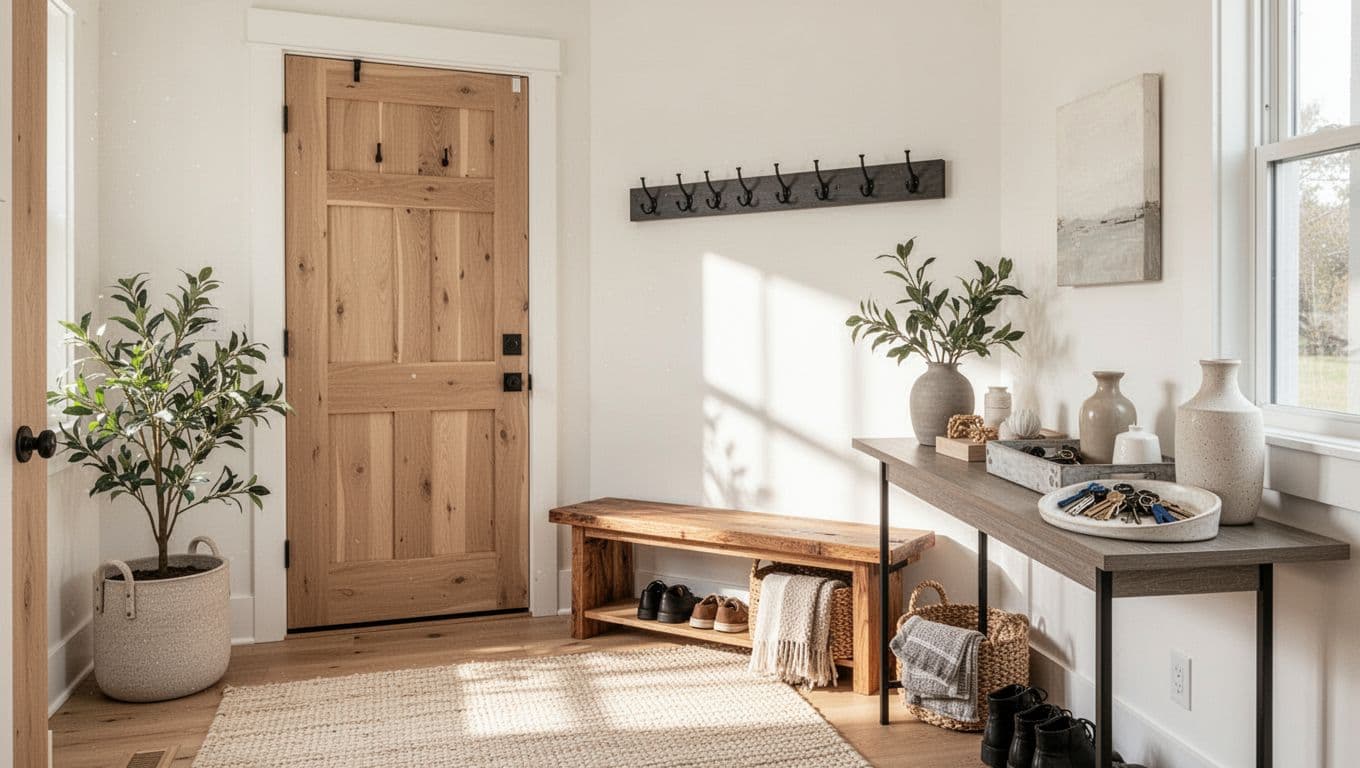
The entryway sets the tone before anyone says a word. If it’s cluttered with shoes, mail, and coats, guests read that as chaos, even if the rest of the house is spotless. Clear a 3-foot by 3-foot zone right inside the door. That’s enough room for one person to stop, take off shoes, and set down a bag without blocking traffic.
A functional entryway usually needs:
- A bench or low stool for putting on shoes
- Hooks mounted at 60 inches for adults and 40 inches for kids
- A tray or bowl for keys and mail
- A rug with a non-slip backing, at least 2 feet by 3 feet
None of this requires a renovation. A $30 hook rail and a $20 tray solve most of the problem.
Layer Materials, Not Just Colors
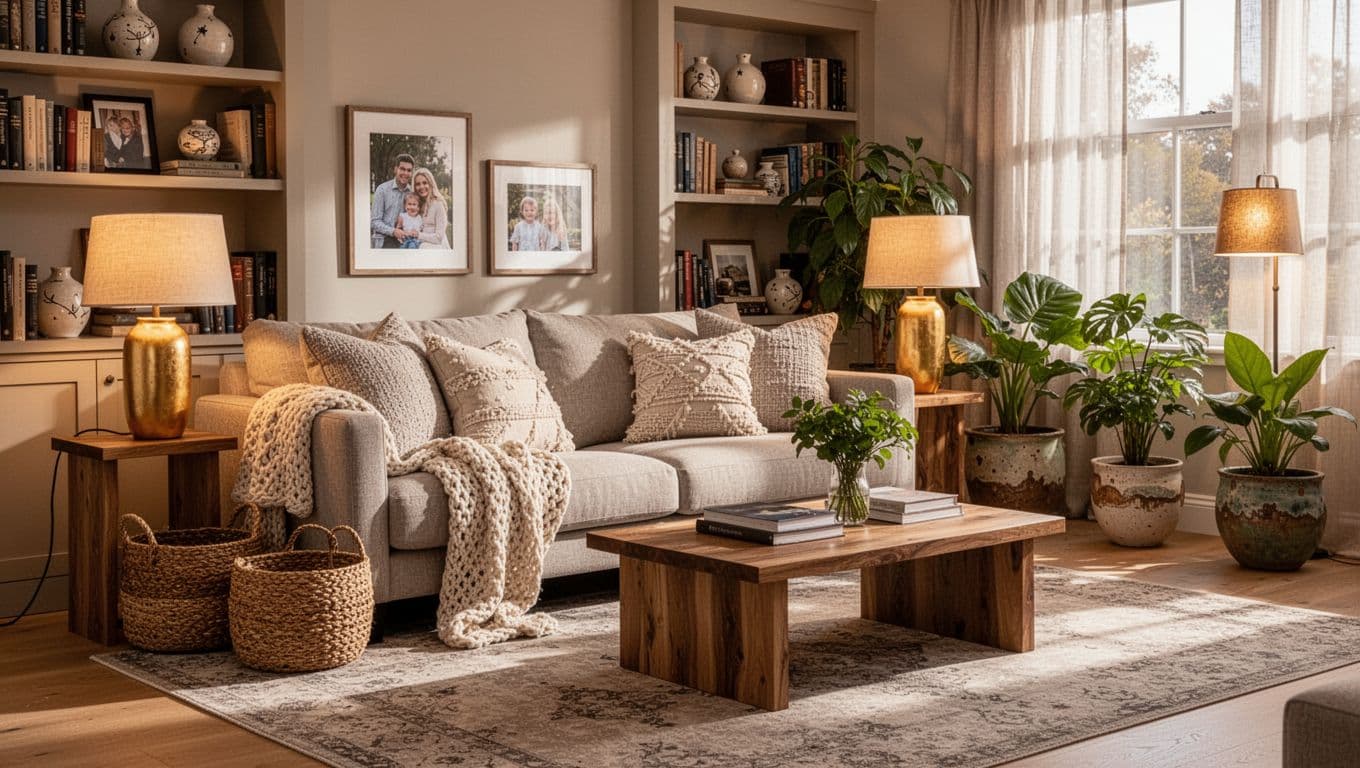
Texture does more than paint color. A room with only hard surfaces, wood floors, glass tables, leather seating, reads as cold no matter what color is on the wall. Add at least two soft textures per room. A wool throw, a woven basket, or a linen cushion cover all count. This is cheaper than repainting and has a bigger effect on how a space feels to sit in.
Build a Table People Want to Sit At
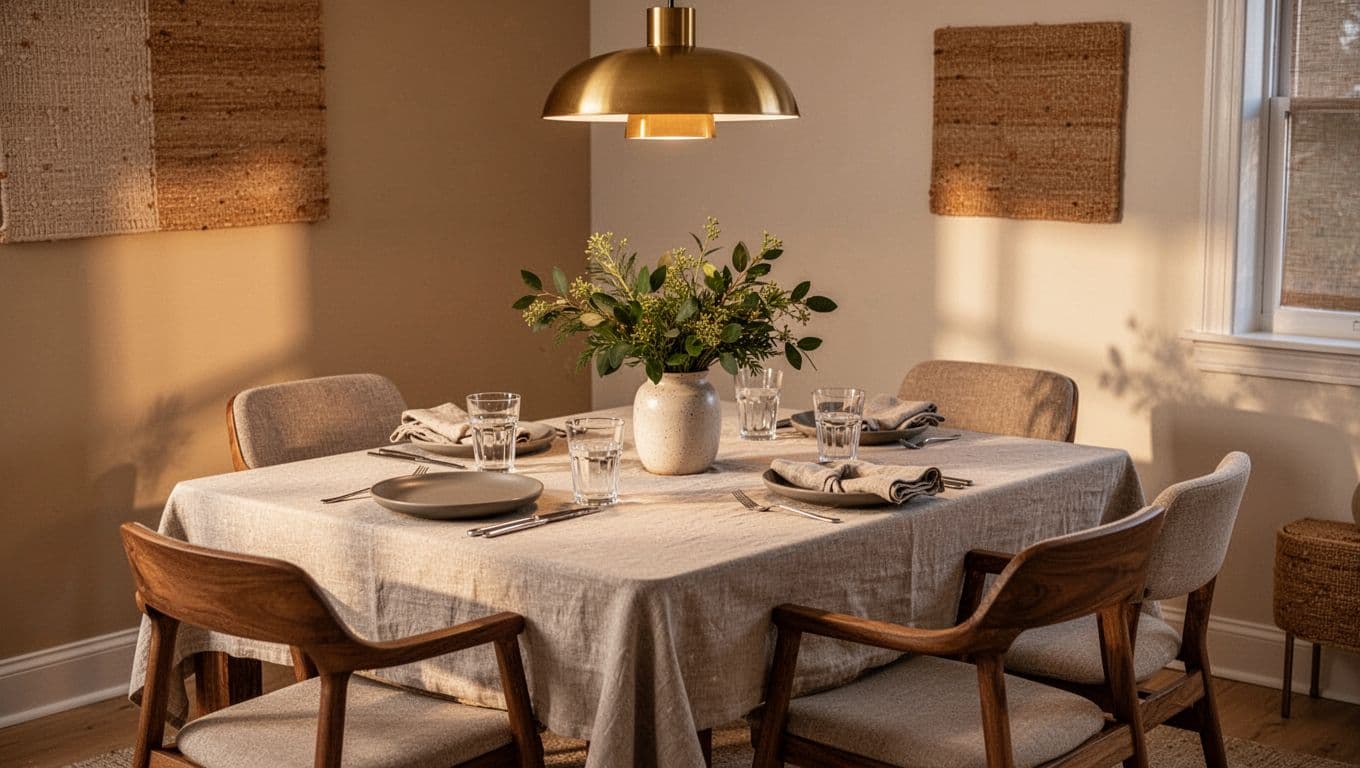
The table is where most real hosting happens, not the living room. A table with a stained finish, water rings, or mismatched chairs quietly signals that guests weren’t planned for. One of the fastest fixes is switching to fitted table cloths.They hide wear on an older table, stay in place through a meal, and take under a minute to put on or pull off. For a folding table used for gatherings, a fitted cover also hides the utilitarian look of the legs.
Let Light Do More Work Than Furniture
Warm light changes a room faster than new decor. Swap any bulb above 3000K for something in the 2700K to 2200K range. That’s the difference between a hospital hallway and a living room. Layer three light sources per room: overhead, a table lamp, and a floor lamp. Rooms lit from one source overhead always feel flatter and colder.
Use Scent Sparingly
A strong scent does the opposite of what people expect. A heavy candle or diffuser can trigger headaches in guests with sensitivities. Keep scent under one source per main living area and choose something mild, like unscented beeswax or a low-intensity diffuser set to run 15 minutes per hour, not continuously.
Personal Touches That Actually Work
Generic art print sets feel like a hotel room. Photos and objects with a real story behind them do more work in less space. A few ideas that hold up over time:
- One framed photo with visible age, not a recent phone print
- A single object from travel, displayed alone, not in a cluster
- Handwritten notes or cards left visible instead of stored away
- A shelf with books people actually read, spines facing out
Three or four of these per room is enough. More than that starts to look cluttered instead of personal.
The Data Backs This Up
This isn’t just an opinion. According to the National Association of Realtors, 92% of realtors advise sellers to improve curb appeal before listing a home, because first impressions measurably affect how a space is perceived and valued. That same principle applies to hosting. The outside of a home shapes expectations before anyone walks in.
Signal the Occasion Outside
If you’re hosting a specific event, a graduation, a birthday, a holiday gathering, mark it outside the house, not just inside. Directional or welcome signage set at the curb or front walk helps guests find the right house and sets the tone before they knock. For anything reusable and weather resistant, die cut yard signs hold up better outdoors than standard printed signs and can be shaped to match the occasion instead of a plain rectangle.
Curb Appeal Is Part of the Interior Story
Welcoming starts before the front door opens. A porch light that’s out, a driveway with weeds, or an address that’s hard to read at night all create friction before a guest steps inside. Fixing these costs very little and changes the first impression more than anything indoors.
Small Repairs Change the Whole Feel
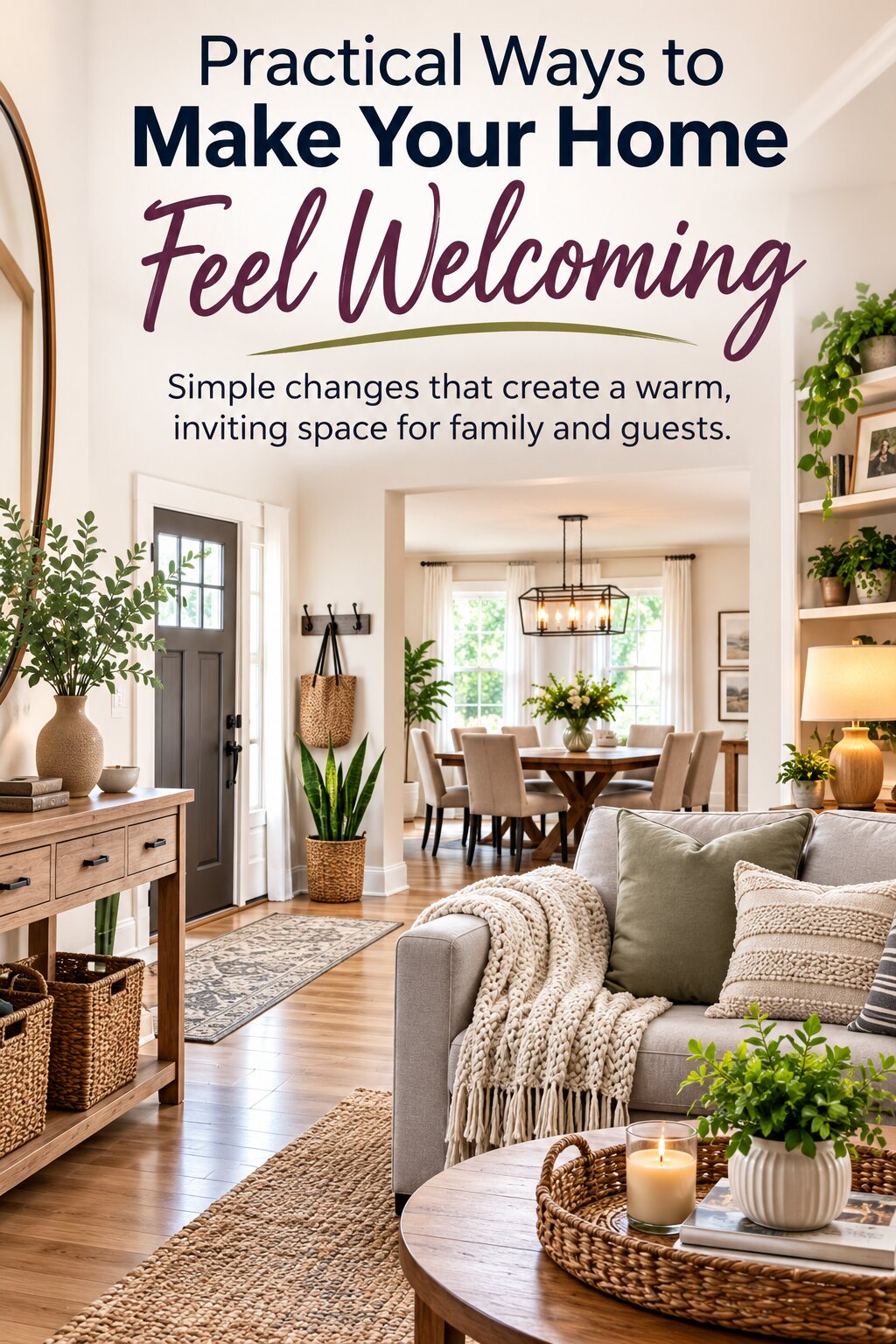
A sticking door, a wobbly chair leg, or a dripping faucet all register subconsciously as neglect. None of these require a contractor. A tube of silicone, a screwdriver, and twenty minutes handle most of it. Guests notice function more than decor, even if they can’t name why a space feels off.
Keep It Simple
None of this requires a full remodel. Fix the entryway, warm up the lighting, clear the walkways, and handle the small repairs. Everything else is decoration on top of a space that already works.