Navigating Life After Disability: From Career to Adaptation
Navigating life post-disability can be a challenging and life-altering experience, necessitating emotional resilience, practical steps, and the proper support system in place to facilitate a smooth transition.
From adapting your living environment to getting legal help for Social Security disability benefits, there are many aspects to keep in mind during the transition process. In this blog, we will look at some advice to ease it with dignity and pride.

Redefining Your Living Space for New Needs
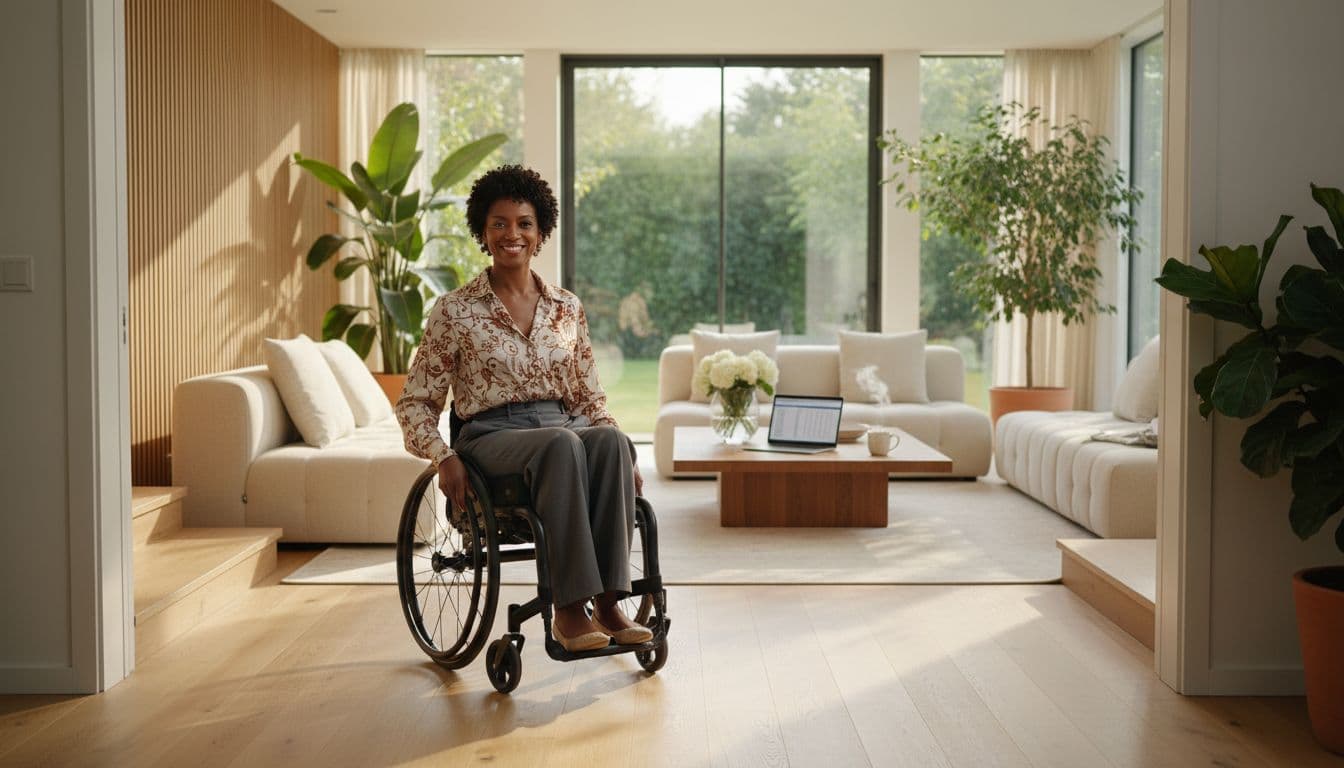
Once disabled, one of the first challenges is adapting your living environment for your specific needs. Unfortunately, homes were typically not built with accessibility in mind, so modifications may be necessary to meet those needs.
Wheelchair users typically require ramps, widening doorframes, and lowering countertops as accommodations. Safety should also be prioritized.
Installing grab bars in the bathroom, non-slip flooring, and stair lifts can help prevent accidents and provide relief from fatigue. Look at smart home technology that makes life simpler, such as voice-controlled assistants, automated lighting, and remote-controlled appliances that bridge the gap between convenience and accessibility.
Although such changes do incur initial costs, programs and grants exist to help those with disabilities with home modifications.
Understanding Social Security Disability Benefits
Managing finances while adapting to living with a disability can be frustrating. But Social Security disability benefits offer relief. Social Security Disability Insurance (SSDI) and Supplemental Security Income (SSI) programs offer financial assistance, but the application process can seem complex. Understanding eligibility requirements such as medical condition and work history are crucial components to applying for SSDI or SSI benefits. Medical records, work histories, and proof of disability should all be carefully documented before filing the initial SSDI/SSI application.
Hiring a Disability Attorney
One of the wisest decisions you can make is hiring legal representation to manage your Social Security disability case. Disability lawyers from law firms like Impact Disability Law specialize in understanding its complexities and will advocate on your behalf for the best possible outcome. Disability attorneys provide amazing assistance with gathering evidence and representing you during appeals, significantly increasing the odds of approval. With their industry knowledge and experience, they can fast-track resolution processes so that you can focus on improving your health and well-being instead.
The need for legal support can also arise when an injury or unexpected event creates challenges that extend beyond the initial recovery. An accident, for example, can lead to medical expenses, lost income, and other concerns that may affect a person’s ability to move forward with everyday life. In these situations, an accident lawyer can help explain the legal options available and assist with matters such as insurance claims and pursuing compensation for injury-related losses. Addressing these practical concerns can allow someone to focus more fully on adjusting to the changes that follow an injury.
Emotional Adaptation and Mental Wellness
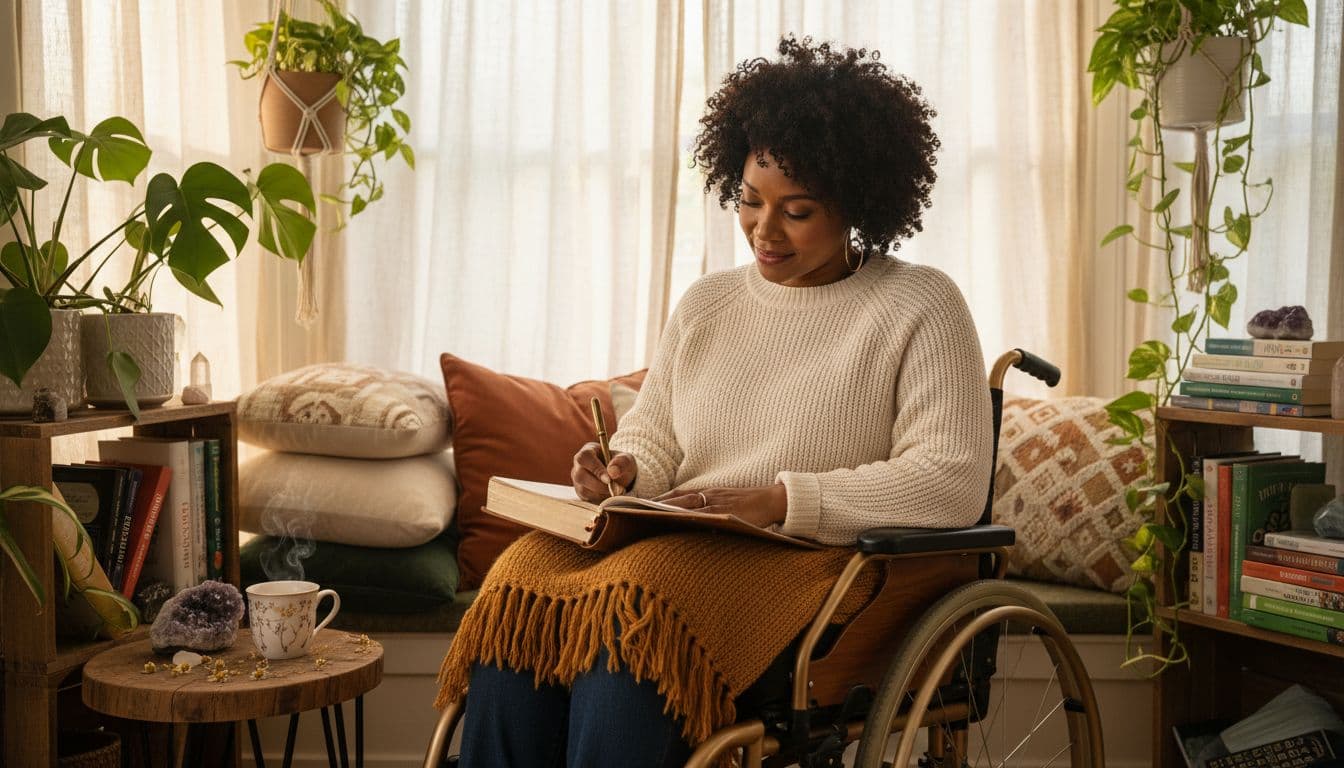
Post-disability life should include consideration for your mental wellness as well. Coming to terms with disability can present emotional hurdles when coupled with career changes. Feelings such as grief, frustration, and hopelessness may occur as you navigate your new reality. Getting therapy or counseling support may prove immensely useful. Networking with local or online support groups may offer comforting shared experiences as you witness how other disabled people have successfully navigated through this new phase in their lives.
Conclusion
Becoming disabled after working isn’t about shutting doors but about opening more. Though the road ahead may require adjustments and perseverance, you can build a meaningful life after disability with practical changes, professional support, emotional wellness awareness training, and personal empowerment exercises. Life post-disability doesn’t mark an end. It marks a new chapter where resilience, adaptability, and strength will redefine what’s possible.