
Upgrading Historic Homes: Efficient Boiler Installation Options
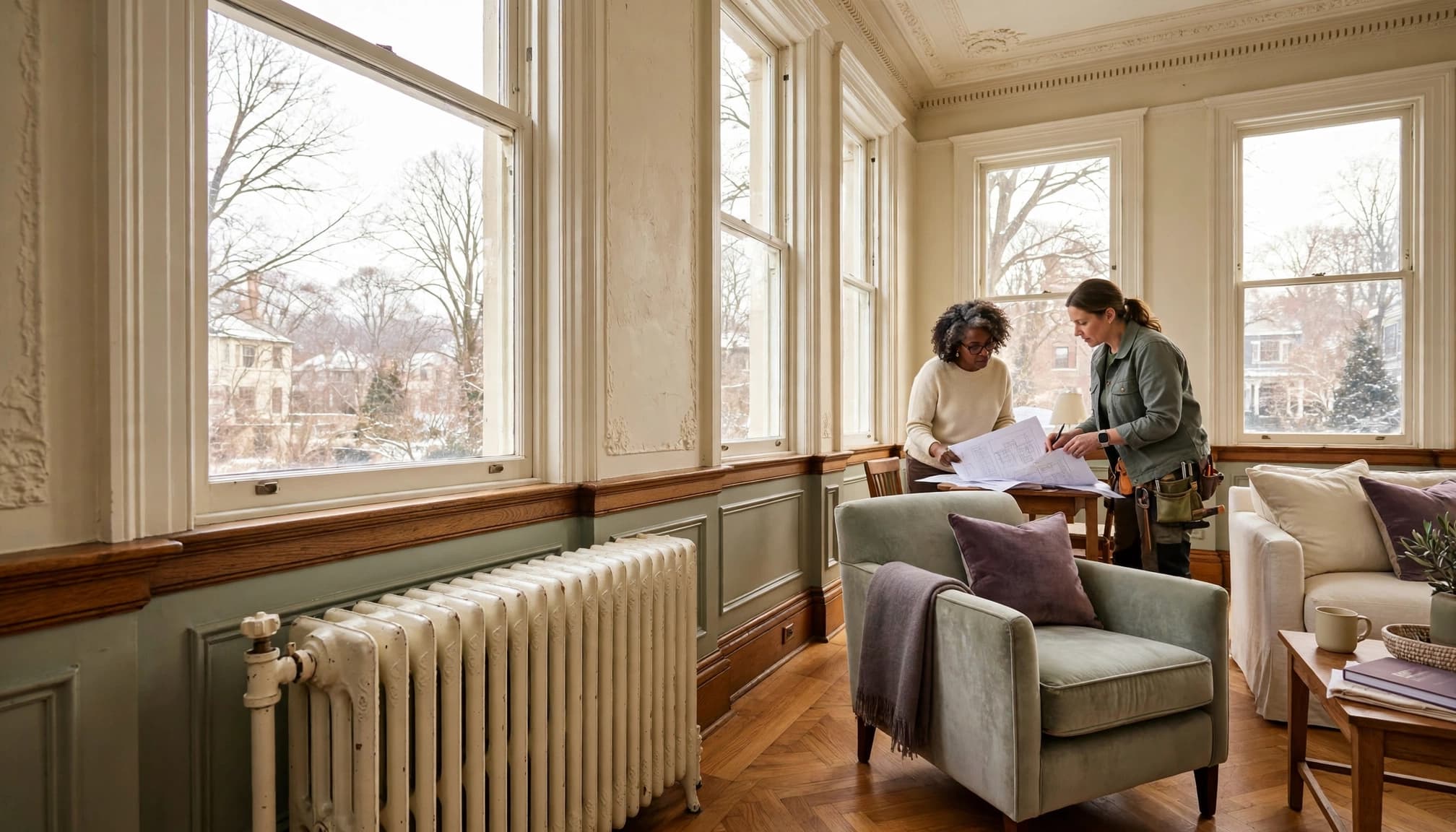
Historic homes can stay warm and comfortable without losing the features that give them character. The key is choosing a boiler that works with the home’s existing radiators, piping, and construction. Since older properties often have limited utility space, aging chimneys and uneven heat loss, replacing the heating system requires more care than a standard equipment swap. A thoughtful evaluation helps preserve original details while improving comfort and reducing wasted energy.
Start With the Existing Heating System
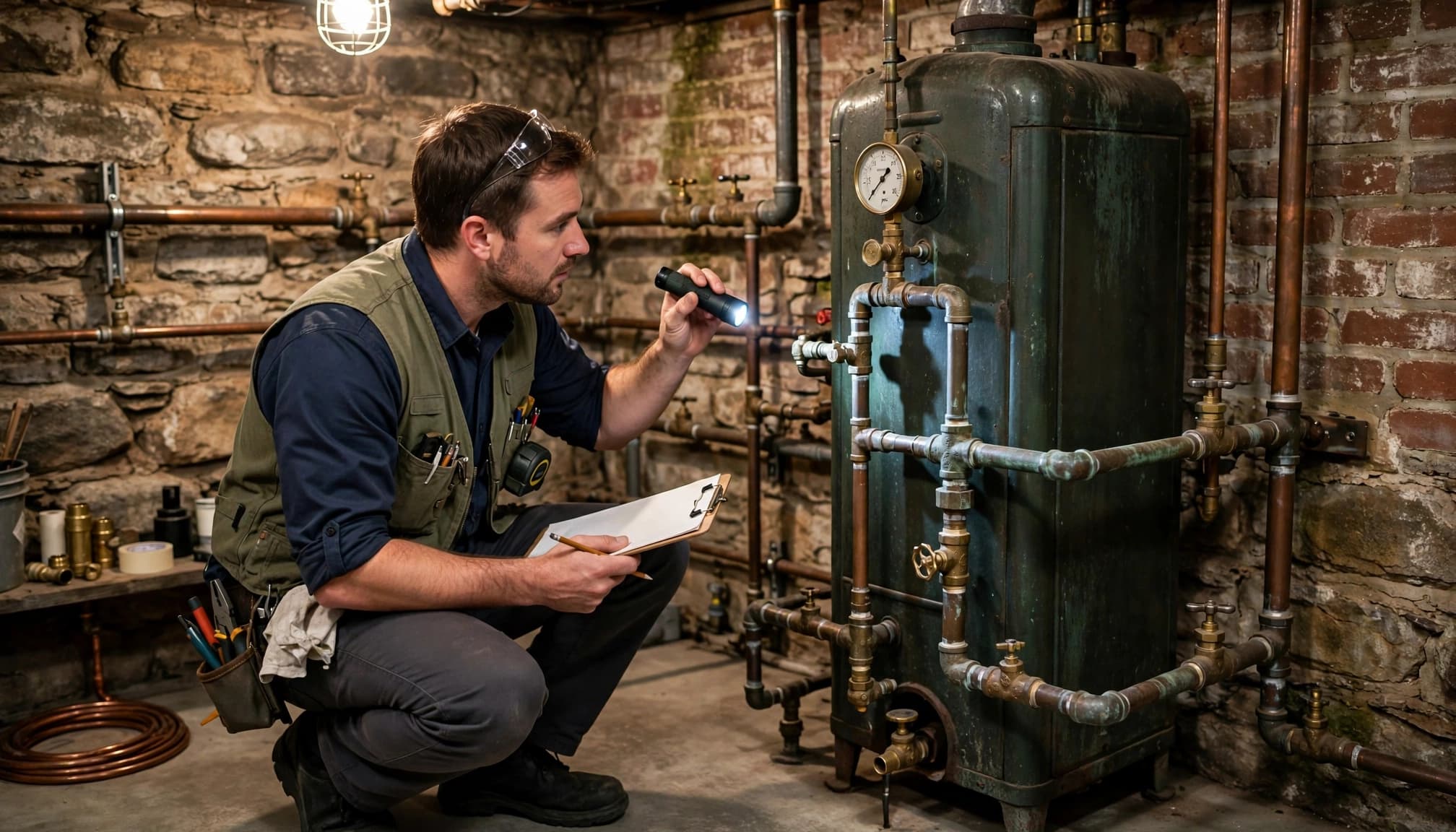
Before comparing new boilers, document what the house already has. A contractor should inspect the radiators or baseboards, supply and return piping, controls, chimney, and available utility connections. Older systems may have been altered several times, so visible equipment doesn’t always tell the full story.
This inspection can reveal useful opportunities. Oversized radiators, for example, may provide enough heat with cooler water, which can make a high-efficiency boiler more effective. Guidance on heating historic homes also emphasizes looking at insulation, air leaks and system maintenance together. Ask for a room-by-room heat-loss calculation instead of accepting a replacement based only on the old boiler’s capacity.
Know When Replacement Makes Sense
Frequent repairs, rising energy use and rooms that never reach a comfortable temperature can all point to a system nearing the end of its service life. Rust, water around the unit or unusual cycling also deserves prompt professional attention. Age alone doesn’t settle the question, but an older boiler with several ongoing problems may cost more to maintain than it delivers in comfort.
Homeowners in Chicago’s North Shore who have older radiator or hydronic systems can arrange a professional boiler installation for vintage properties. A specialist should explain which original components can remain, what must change, and how the proposed equipment will work with the home’s existing heating design.
Compare Modern Boiler Options
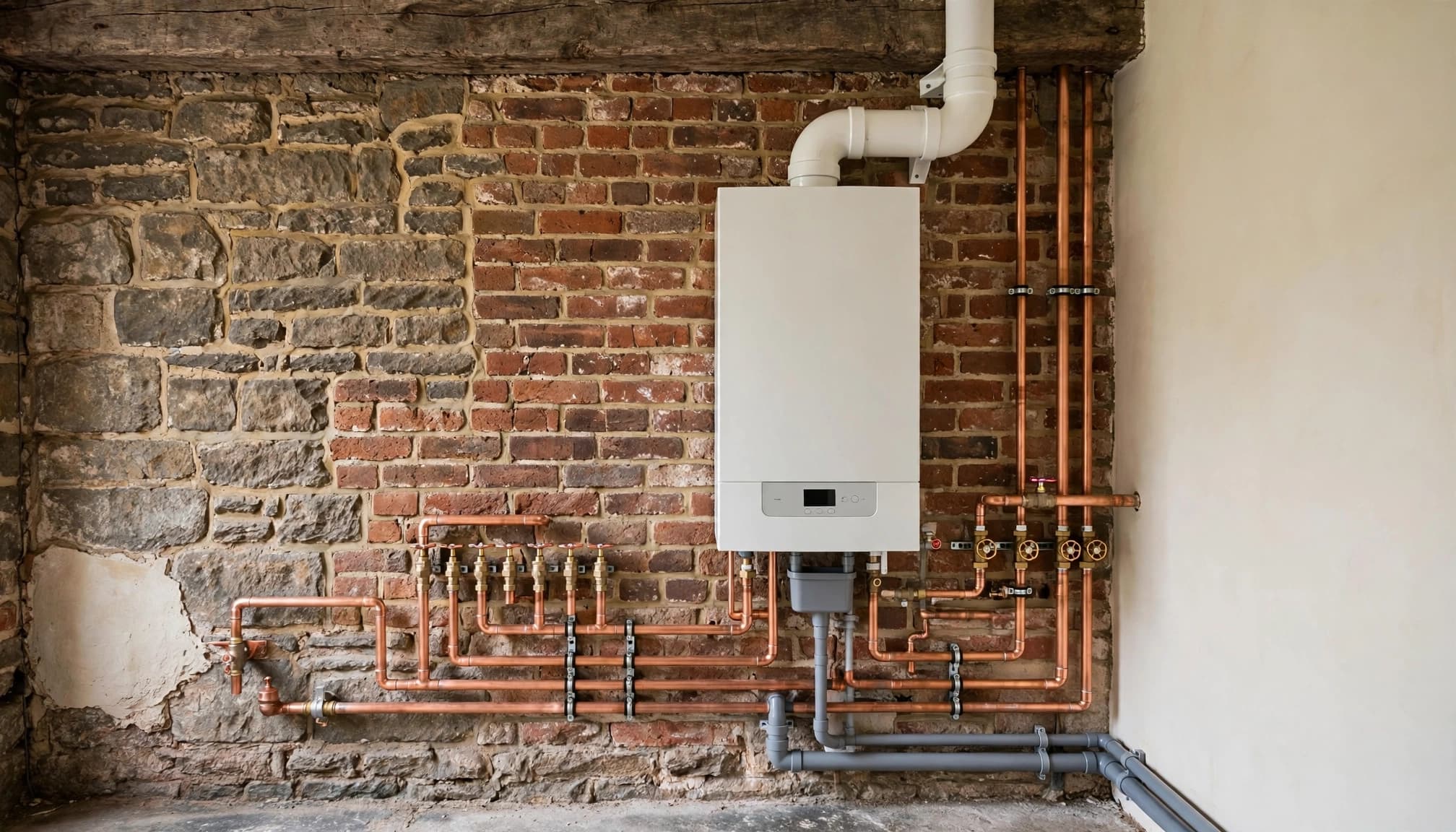
A conventional boiler can be a practical choice when existing radiators require higher water temperatures or when chimney conditions support proper venting. High-efficiency condensing models capture more heat from exhaust gases, but they perform best when return-water temperatures stay low enough for condensation to occur. They also need a suitable drain and approved venting.
Fuel availability, electrical requirements and service access matter too. A compact wall-mounted unit may free up floor space, while a floor-standing model may fit existing pipe arrangements with fewer changes. Ask contractors to show the expected operating temperature, efficiency rating and venting plan for each option. Those details give you a clearer comparison than equipment price alone.
Improve Efficiency Without Harming Historic Features
New equipment works best when the house can hold onto the heat it produces. Start with targeted improvements such as weatherstripping exterior doors, sealing attic penetrations, and insulating accessible hot-water pipes. These projects often cause less disruption than major changes to plaster walls or original windows.
Some historic house energy upgrades require careful moisture planning because older walls were built differently from modern assemblies. Adding insulation in the wrong location can trap moisture and damage wood or masonry. An energy assessment can identify where air leakage is greatest before work begins. If original windows are sound, repaired sash cords, fitted storm windows and fresh weatherstripping may improve comfort while preserving the home’s appearance.
Plan for Controls and Everyday Comfort
Modern controls can make an older hydronic system easier to live with. Outdoor reset controls adjust boiler water temperature based on outside conditions, helping the system provide steadier heat during mild weather. Zoned controls may also help when an addition, finished attic, or rarely used room has different heating needs.
Discuss radiator valves and system balancing before approving the project. One overheated bedroom may indicate a flow problem instead of a boiler problem. After installation, ask the contractor to explain thermostat settings, normal pressure readings, and basic maintenance. Keep the equipment manual and service records near the unit so future technicians can quickly understand the setup.
Protect the House During Installation
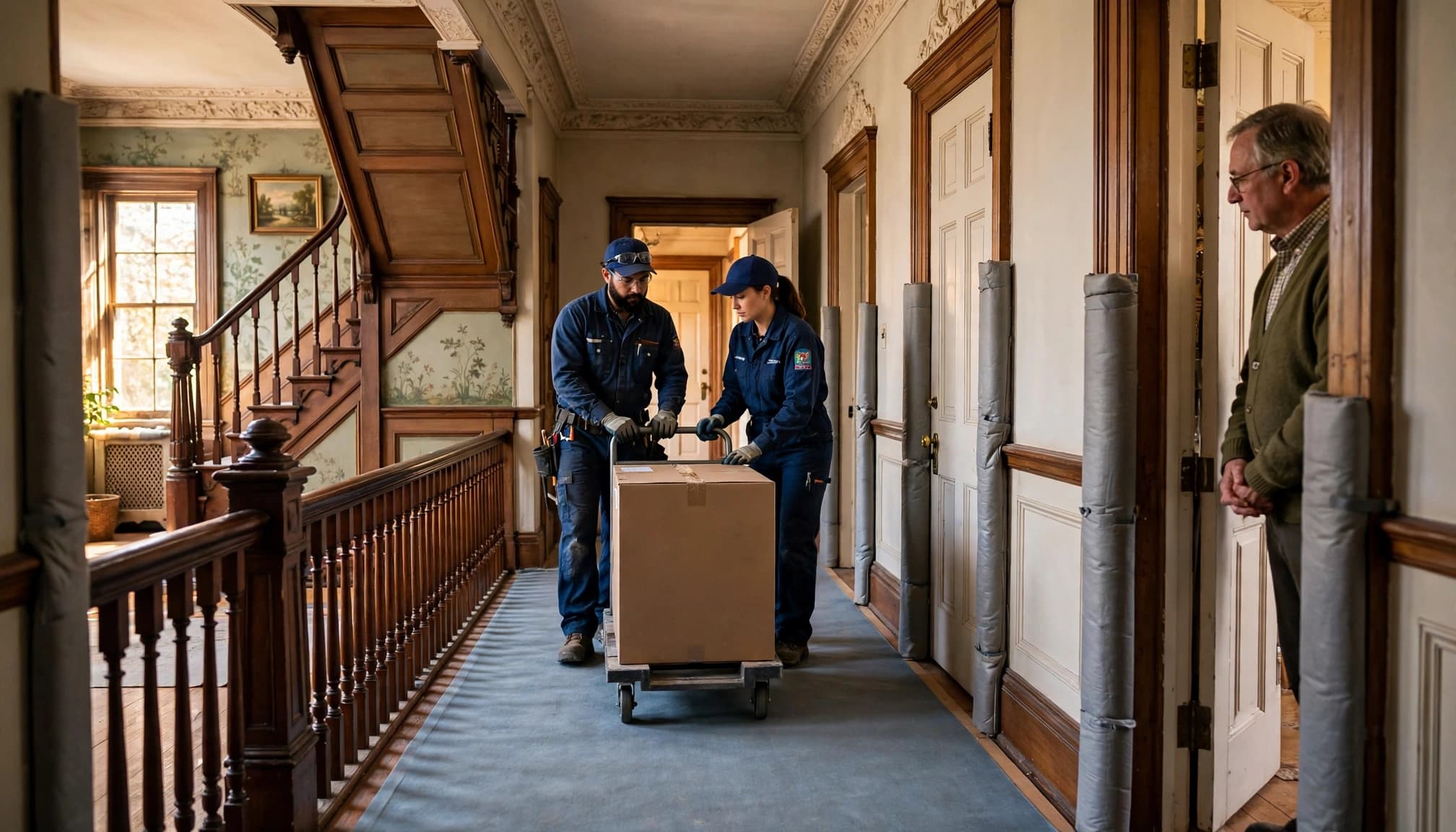
Historic interiors need a clear work plan. Confirm how crews will move equipment through the house and which floors, doors, or trim pieces require protection. The proposal should also address removal of the old unit, changes to piping, chimney use, vent locations, and any permits or inspections required in your area.
Schedule the work before the coldest part of the year when possible. This allows time to handle unexpected issues, such as a blocked chimney passage or a pipe that needs replacement. Once the new system is running, walk through every heated room and note any cold radiators, unusual sounds, or temperature swings. A final system balance can turn a technically successful installation into one that feels comfortable throughout the house.
The best upgrade leaves the home’s character intact while making winter mornings noticeably easier. A properly sized boiler, compatible controls, and careful system balancing should deliver quiet, even heat without asking old architectural details to accommodate a poorly planned retrofit.