
Hearing Loss: Signs, Symptoms, and Treatment Options

Hearing is a sense people often ignore until it starts to fade. Life gets quieter slowly, and you might not notice the change right away. It affects how you talk to friends and enjoy your favorite music.
Recognizing the signs early can make a big difference in your quality of life. Exploring these symptoms helps you stay connected to the world around you. Let’s look at what to watch for and how to find relief.
Recognizing Subtle Changes In Your Hearing
You might notice that people seem to mumble more than they used to. Conversations in crowded rooms become harder to follow.
Background noise often drowns out the voices you want to hear. Talking on the phone might feel more difficult than before.
Asking others to repeat themselves is a common first sign. You might turn up the volume on the television higher than your family likes.
Those small shifts are worth paying attention to before they grow. Identifying these early cues helps you take control of your health.
Why Sounds Start To Fade
Sometimes the world feels like it has a blanket over it. Meeting with an audiologist is a smart step if you find yourself struggling to follow group chats. They can run tests to see exactly which frequencies are hard for you to catch. Such professional guidance helps you get the right support for your ears.
Many factors play a role in how well you hear daily sounds. Wax buildup or fluid in the ear can cause temporary issues. Long-term changes often come from deeper within the ear structure. Losing clarity in your hearing can lead to feelings of isolation in social settings.
How Age And Noise Impact Ears
The delicate parts of your inner ear can suffer over time. A major medical clinic reports that aging and loud noises lead to wear on the nerve cells that send sound to the brain. Those cells do not grow back once they are damaged.
Protecting your ears from high decibels is a way to preserve your hearing for years. Regular exposure to loud machines or music can speed up this process.
Wearing protection at concerts or around power tools makes a difference. Keeping the volume down on your headphones is another simple way to help.
When Medical Intervention Helps
Some types of hearing issues come from infections or medical blockages. A national health service suggests that a doctor can often treat specific causes like ear infections with antibiotics. Clearing away a blockage might restore your hearing almost instantly.
It is best to see a professional if you feel pain or pressure. Sudden changes in hearing require immediate medical attention to prevent permanent loss.
Seeking help quickly can often save your hearing. A simple checkup can rule out many common physical problems.
Modern Treatment Options For Every Need
Technology has improved the way people manage their hearing today. A recent health guide mentioned that over-the-counter hearing aids are now a viable choice for adults with mild-to-moderate loss. Those devices are easier to find and often more affordable.
- Traditional hearing aids fit behind or inside the ear.
- Cochlear implants help those with more severe types of loss.
- Assistive listening devices work well with phones and televisions.
Selecting the right tool depends on your specific level of hearing. Most modern devices connect to your smartphone for easy control.
You can adjust the settings for different environments like restaurants or theaters. Having these options allows you to live life without missing a beat.
Identifying Tinnitus Symptoms
Tinnitus is a common companion to hearing loss for many people. It often presents as a ringing, buzzing, or whistling sound in the ears.
You might only notice it when the room is very quiet at night. Tinnitus is not a disease itself but a symptom of an underlying condition.
It can make falling asleep a challenge or cause irritation during the day. Managing stress and using white noise machines can help reduce the impact.
Checking your hearing is a good idea if you hear these phantom sounds. Many people find relief once they address the primary hearing issue.
Common Environmental Factors To Watch
Your daily environment plays a big role in your ear health. Working in a loud factory or construction site poses a risk every day.
Even household items like hair dryers or lawnmowers can reach high sound levels. Knowing the decibel levels of common sounds helps you make safer choices.
Using earplugs during loud events is a simple way to stay safe. Small habits today protect your ability to hear clearly in the future.
Try to take breaks from noise when you can. Constant exposure to high noise levels can lead to irreversible damage.
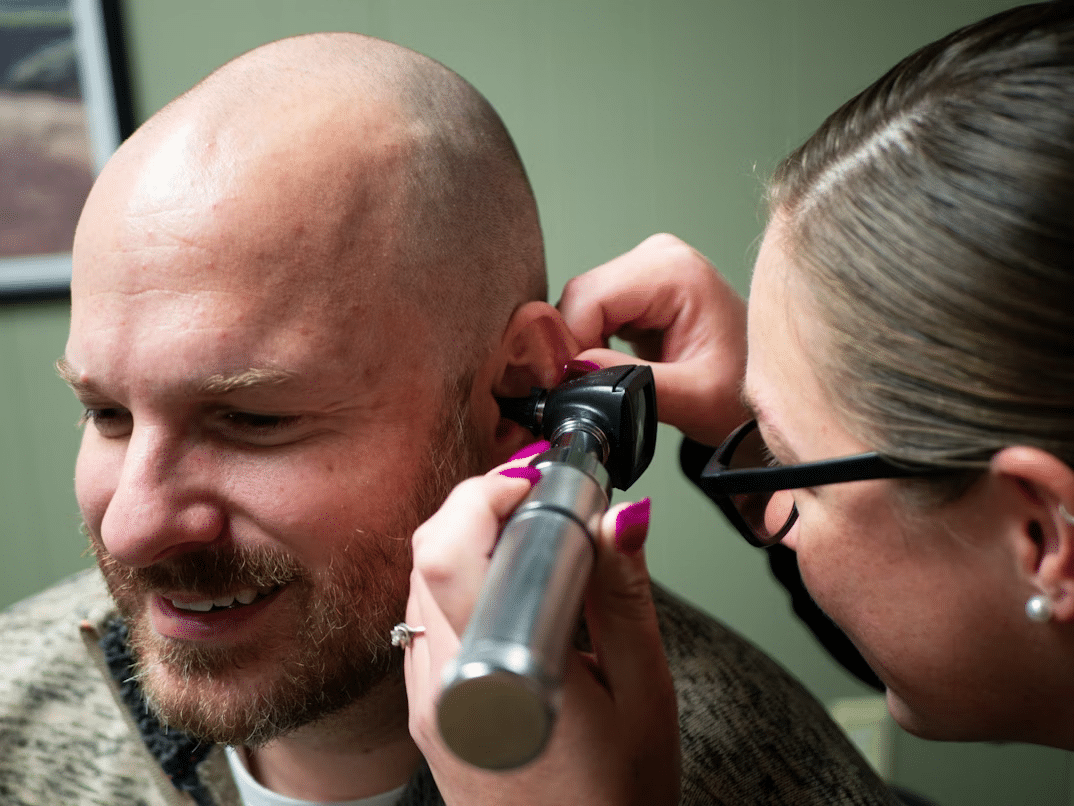
Modern tools and medical advice make it easier than ever to stay connected. Enjoying the sounds of life is something everyone deserves. Start focusing on your ear health today. Your future self will thank you for the extra care you provide now. Keeping your senses sharp is a reward that lasts a lifetime.