
How to Create a Flexible Workspace for Your Small Business
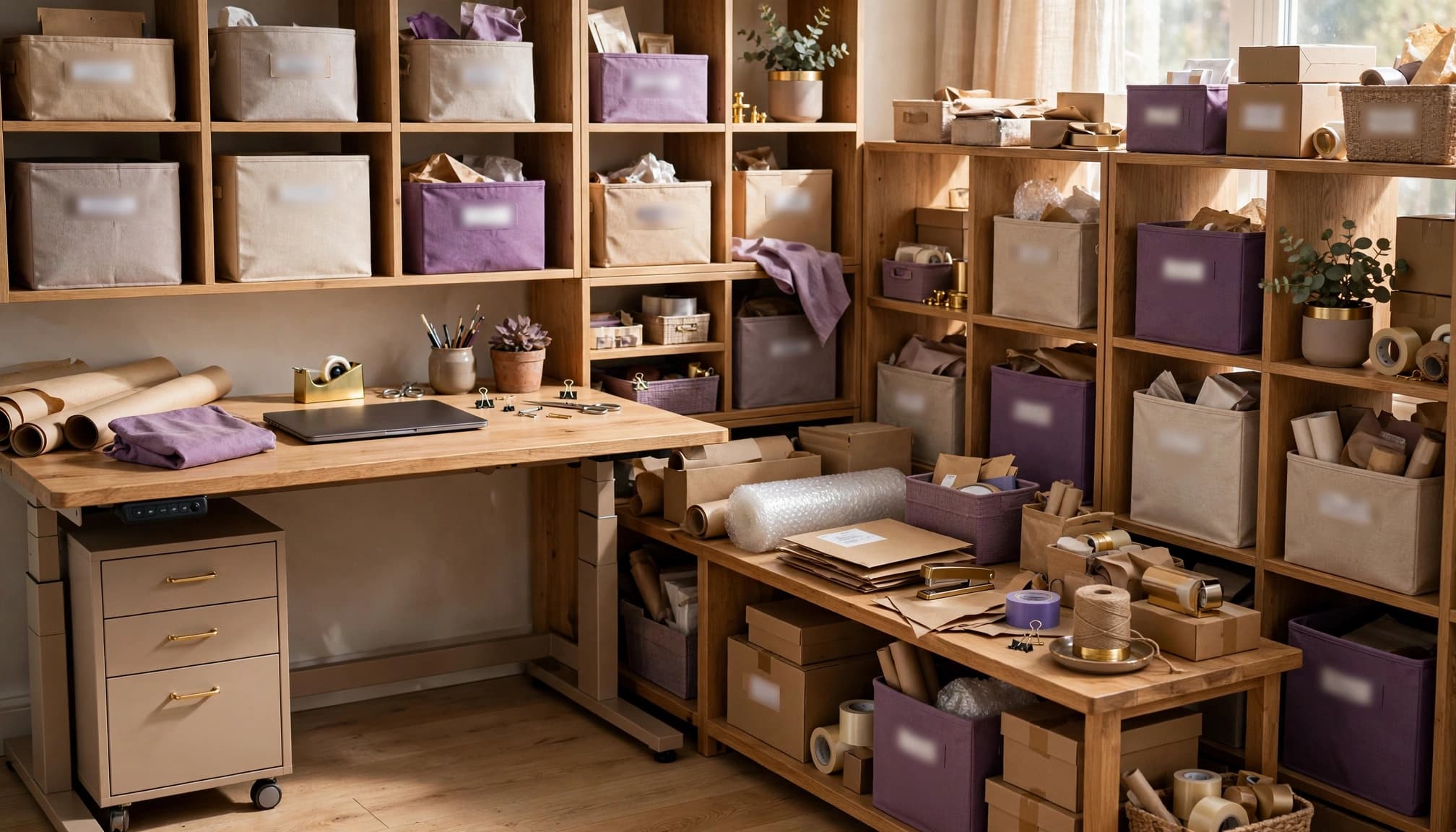
Running a small business often means making the most of the space you have. You might start at your kitchen table, move into a home office, and eventually need room for employees, equipment, or inventory. As your business grows, your workspace needs to keep up without adding unnecessary overhead. The key is to create a setup that works for your current needs while leaving room to adapt as things change.
Designing Your Ideal Workspace
Start with the tasks that take up most of your workday. A consultant who spends hours on video calls needs a quiet background, good lighting, and reliable audio. Meanwhile, a product-based business may need a packing table, shelving, and easy access to shipping supplies. These small office solutions can help you plan around function when square footage is limited.
Choose furniture that can serve more than one purpose. A height-adjustable desk can become a standing workstation, while a rolling file cabinet can double as a printer stand. Keep frequently used items within arm’s reach and move occasional-use supplies to labeled bins or higher shelves.
Maximizing Small Business Storage
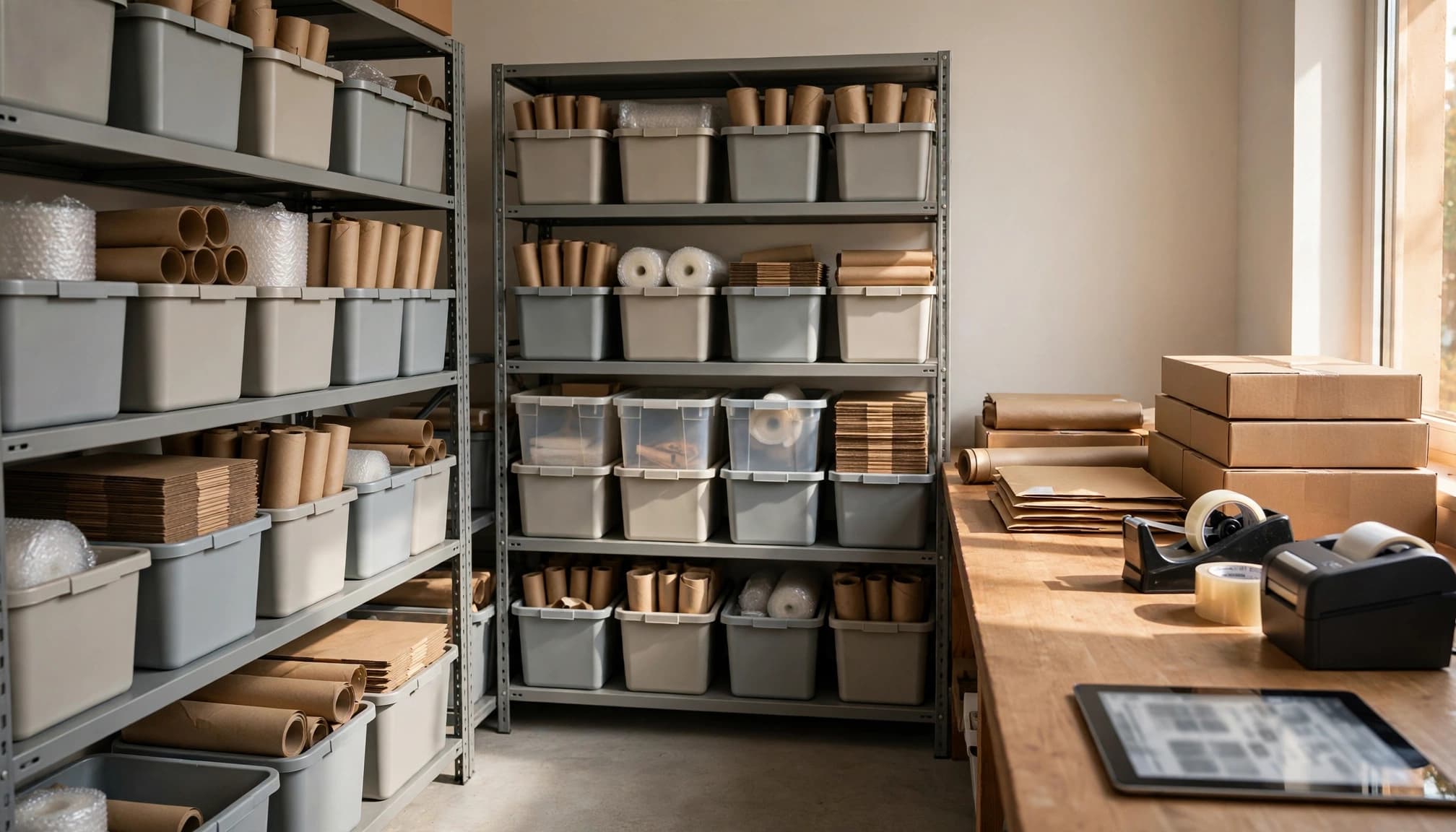
Business materials can quickly take over a home office or small commercial suite. Sort everything into active inventory, records, equipment, and seasonal items. Keep active materials nearby, then assign less accessible space to anything you use monthly or quarterly.
When excess inventory or bulky equipment limits your working area, a moving container rental provides portable commercial storage for businesses in the DFW metroplex. Before storing anything, create a simple digital inventory with the item name, quantity, and container location. Use clear labels on every box and place heavier items at the bottom. Sensitive records, electronics, and temperature-sensitive goods may require a climate-controlled indoor option instead.
Adapting to Business Growth
Growth often creates space problems before a business is ready for a long-term lease. A new employee may need a desk next month, while a seasonal sales period could require temporary room for twice the usual inventory. Build flexibility into your plans with movable partitions, modular shelving, and easy-to-reconfigure furniture.
The practical benefits of flexible workspaces include access to shared amenities and the ability to adjust space as a team changes. Review your needs every quarter using measurable details such as head count, inventory volume, and customer visits. If storage takes up more than one-fourth of your office, moving archived or seasonal materials elsewhere may free up usable workspace without forcing an immediate relocation.
Creating a Mobile Office
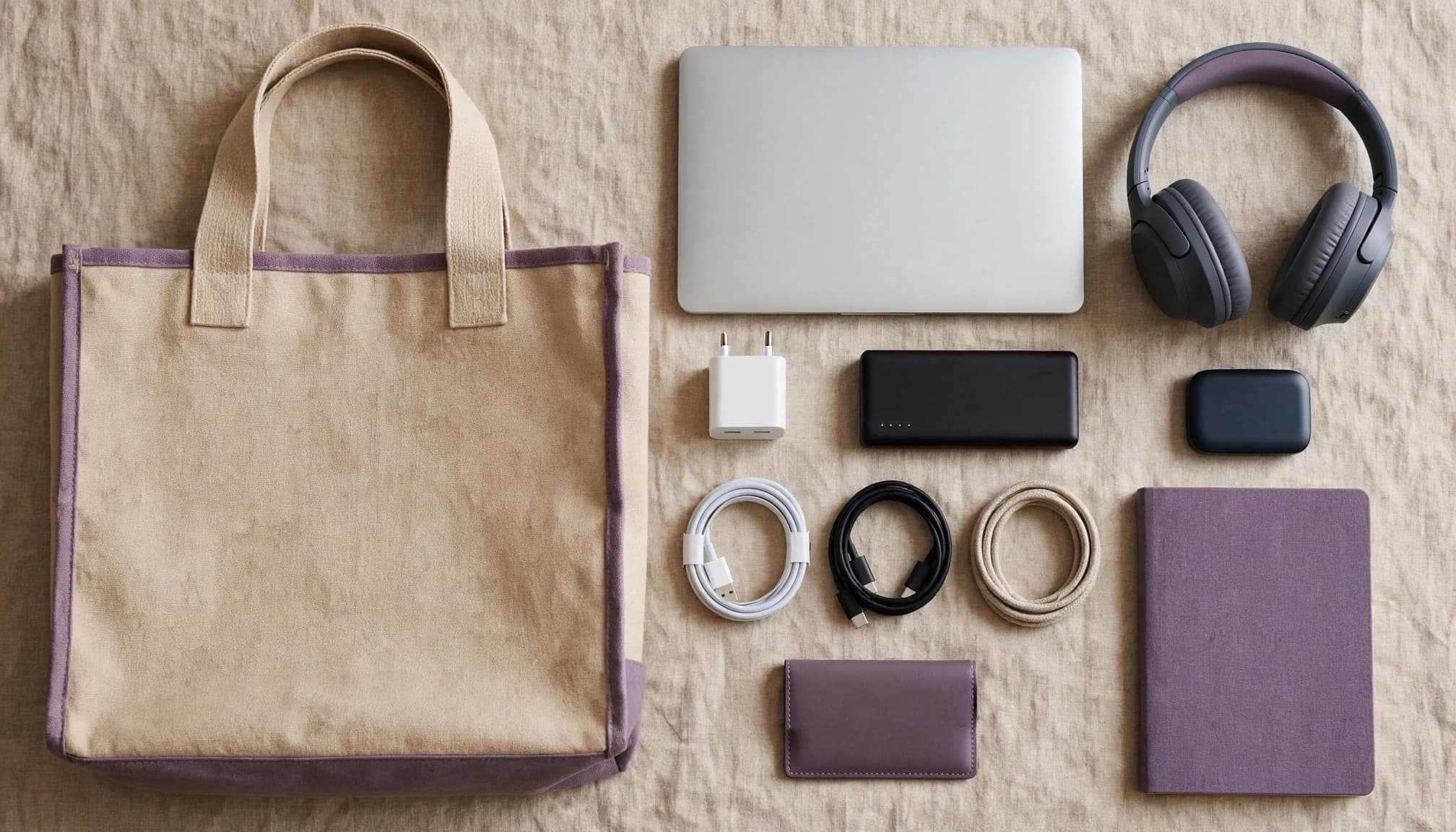
A mobile office helps you work consistently from client sites, coworking spaces, or temporary locations. Keep the core setup simple: a lightweight laptop, compact charger, noise-reducing headset, and secure internet connection. Store current files in a cloud platform with multifactor authentication so a misplaced device doesn’t expose business information.
Also, keep a small travel kit with charging cables, a portable power bank, business cards, and a notebook for when technology fails. Set up the same digital folder structure on every device and use automatic backups. If you handle confidential conversations, avoid taking calls in open public areas. A predictable routine can make each temporary location feel like a functional extension of your main office.
Future-Proofing Your Operations
Document how your workspace supports daily work. Record where supplies are stored, which technology accounts employees need, and how incoming inventory gets processed. Clear instructions make it easier to bring in help during a busy period or shift operations to another location.
Your workspace should leave room for the next practical milestone, such as adding a part-time assistant or expanding a product line. A quarterly space review will show when clutter is a simple organizing problem and when your business genuinely needs more capacity.