
DIY Plumber vs Professional Plumber: Which Service Should You Trust?
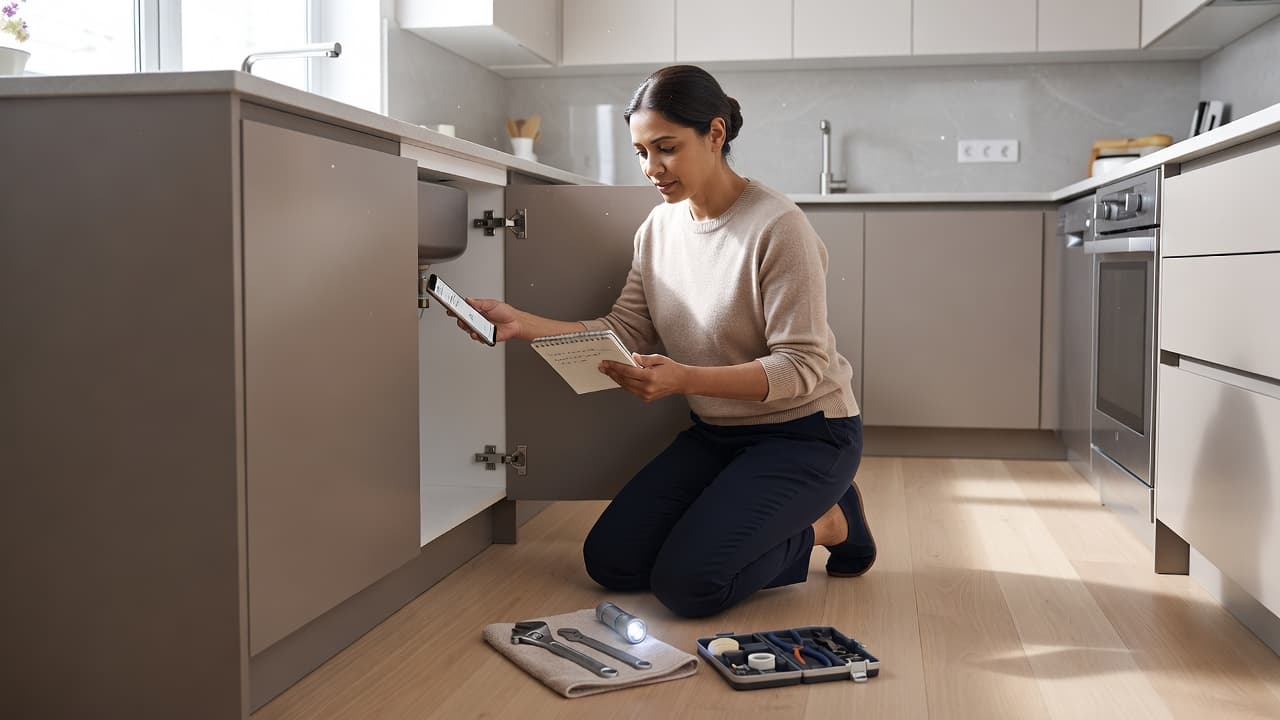
In the realm of Home & Family, facing plumbing issues can be a daunting task. Whether it’s a leaky faucet or a clogged drain, homeowners often find themselves weighing the choice between tackling the problem themselves or calling in a professional Plumber. This article explores the pros and cons of DIY plumbing and professional services to help you decide which option aligns with your needs. We’ll delve into the circumstances where DIY might be sufficient, the expertise offered by professionals, cost implications, and the safety considerations that should guide your decision.
DIY vs Professional Plumber: When to Consider Going Solo
DIY plumbing can be an appealing choice for those who enjoy the challenge of home repairs and have basic tools on hand. Simple tasks such as replacing a showerhead or unclogging a minor blockage can often be handled without professional help. Moreover, engaging in DIY plumbing can be a learning experience, allowing homeowners to better understand their home’s plumbing system. It’s crucial, however, to assess the complexity of the task. For example, while DIY might suffice for basic repairs, advanced issues like indoor air quality testing reveal the need for professional expertise to ensure comprehensive solutions.
There are instances where DIY efforts can lead to unintended consequences. Without the right knowledge, you might overlook universal design principles that enhance the functionality and accessibility of plumbing fixtures. Additionally, improper fixes can lead to larger problems down the line, which is why it’s important to recognize when the task is beyond your skill level. For those considering DIY, an understanding of household hazardous waste disposal is essential to safely manage any chemicals or materials used during repairs.
Ultimately, DIY plumbing is best suited for small, straightforward tasks where the risks and consequences are minimal. If you have a good grasp of the necessary steps and a willingness to invest time and effort, DIY can be a cost-saving approach. However, knowing when to draw the line is crucial to avoid exacerbating the problem.
Professional Plumbing Services: Expertise and Reliability
Professional plumbing services bring a wealth of experience and specialized knowledge to the table, offering solutions that are both effective and reliable. A professional Plumber is equipped to handle complex issues such as radon mitigation systems, ensuring that every aspect of your plumbing complies with safety standards. This expertise is invaluable when dealing with intricate problems that require precise technical skills.
Furthermore, professionals often utilize advanced tools and techniques, such as space planning software, to diagnose and address plumbing issues efficiently. Their ability to conduct detailed home safety inspections ensures that potential hazards are identified and mitigated, providing peace of mind for homeowners. The reliability of professional services is underscored by their ability to execute repairs and installations that stand the test of time.
Hiring a professional Plumber may also be beneficial for tasks that involve smart home integration, where specialized knowledge is essential to seamlessly incorporate plumbing systems into a modern, connected home environment. For those in the Home & Family sector, trusting a professional ensures that the work is completed to the highest standards, safeguarding the integrity of your home.
Cost Analysis: DIY vs Professional Plumber
One of the primary considerations when choosing between DIY and professional plumbing services is cost. DIY projects are typically less expensive upfront, as you only need to purchase materials and tools. However, the hidden costs, such as potential damage from improper repairs, can outweigh initial savings. Conversely, hiring a professional Plumber might seem costly, but it can prevent future expenses related to recurring issues or damage.
A professional Plumber provides a detailed cost breakdown, including labor and materials, which offers transparency and helps homeowners budget effectively. Additionally, professionals can conduct an energy efficiency audit to ensure that your plumbing systems are optimized for cost savings in the long run. They can also provide guidance on eco-friendly pest control measures, reducing the risk of infestations that may impact plumbing.
Ultimately, the decision should be based on a careful evaluation of immediate costs versus potential long-term savings. While DIY might appear more economical initially, professional services often prove more cost-effective over time by preventing recurrent problems and ensuring efficient system operation.
Safety and Long-Term Considerations in Plumbing Choices
Safety is a paramount consideration in plumbing, particularly in homes with children or elderly residents. Professional Plumbers are trained to adhere to childproofing certification standards, ensuring that installations are safe and secure. DIY plumbing can pose significant safety risks, especially in complex systems where mistakes can lead to leaks or water damage.
Carbon monoxide detectors play a vital role in safeguarding against gas leaks, which highlights the importance of professional installation and maintenance. Moreover, professionals are well-versed in implementing modular furniture systems that accommodate plumbing needs without compromising the design and functionality of living spaces.
Choosing professional services guarantees that safety is prioritized, with installations and repairs conducted to meet stringent standards. This is particularly important for long-term considerations, as reliable plumbing systems contribute to the overall health and safety of a home environment.

Conclusion
The choice between DIY plumbing and professional services hinges on the complexity of the task, cost implications, and safety considerations. While DIY approaches may be suitable for minor repairs, professional Plumbers offer expertise and reliability for more complex issues, ensuring long-term safety and efficiency. Homeowners must weigh the pros and cons carefully, considering their own skill level and the potential risks involved. By doing so, they can make informed decisions that enhance the integrity and safety of their home.