Ways Disability Can Impact Your Life (And How To Better Manage Each Of Them)
A disability can create challenges in many areas of daily living.Indeed, in the beginning it can all feel very overwhelming and as nothing will ever be the same again. Keep reading to discover how disability can affect daily life and how to navigate those challenges. By reading the post below. You can also find out how to better cope with and manage these effects by checking out our suggestions too. Read on to find out more.
It can make you feel misunderstood
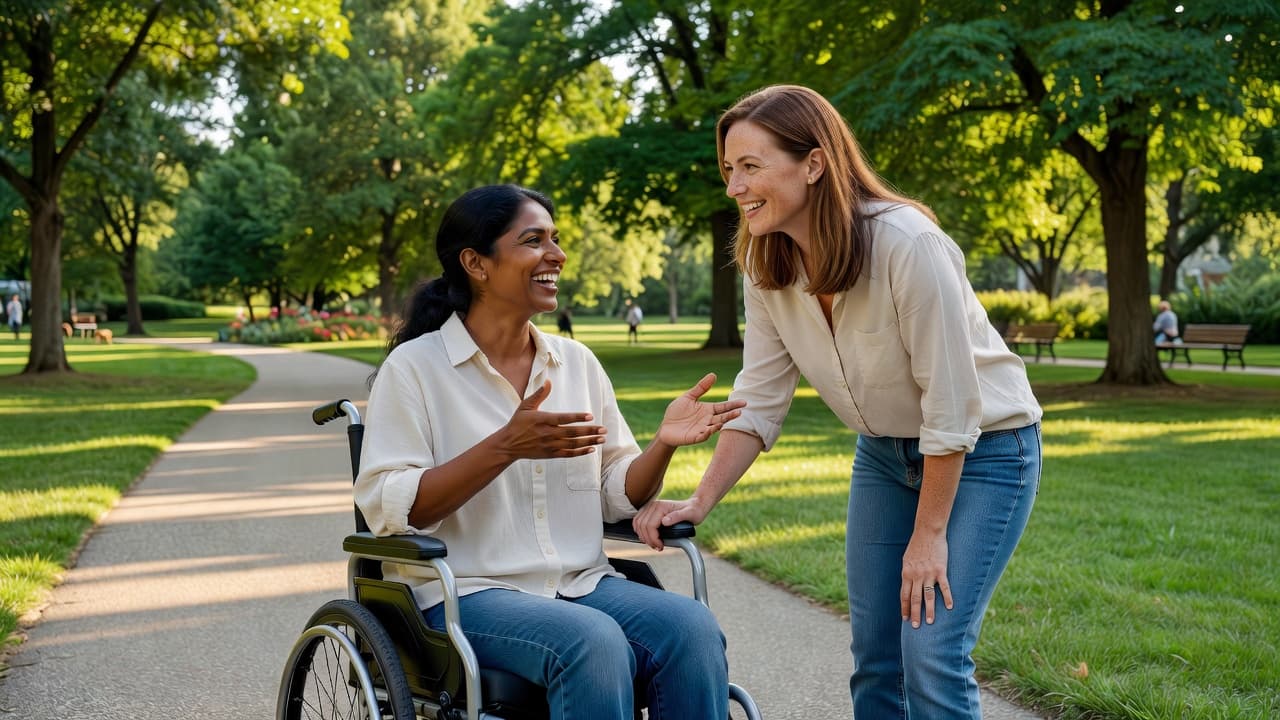
Many people can easily misunderstand the daily struggles of those with a visible disability, let alone an invisible one. Indeed, many people with invisible disabilities in particular can find that they have to explain their condition and limitations to people, and even then, their experience is doubted. This can be difficult because their experience is invalidated, and they need to learn to become their own advocate. Something that can be challenging when they are already dealing with a disability, such as chronic fatigue, that limits what they can do.
While self-advocacy is crucial, getting support from understanding professionals, charities and organisations that advocate for those with your condition can help a great deal here.
It can lead to further mental health difficulties
It’s common for those with a disability to struggle emotionally as well as physically. All types of disabilities can come with increased anxiety and depression, especially about the uncertainty of that person’s future. Grief is also a common response to being disabled. This is because we mourn the life that we thought we would have, or that all those around us seem to be enjoying.
Professional help from counselors that can support you is useful here. You may also benefit from taking up additional ways of health coping, such as journaling or meditation. Lastly, don’t forget to practice self-compassion and find some things that you truly enjoy doing to allow you to recharge.
It can make friendships harder
It can be challenging to maintain friendships when you have a disability. This can be for many reasons, including energy levels and symptom flare-ups. Indeed, it can often seem as if we are not interested in connecting with others, while it is actually our disability that is getting in the way.
One option here is to focus on quality friendships rather than a large quantity of friends. In this way, you can find people with whom you can be open about your struggles and whether you are up for getting together on any given day. It can also be helpful to explore alternative ways of connecting and maintaining relationships, such as online via video, chats and playing games rather than meeting in person.
It can make getting medical care harder
Oftentimes, those of us with a disability will have complicated medical needs and records. Ironically, this can make getting the help we need even harder.
Some healthcare professionals still make unfair assumptions about people with disabilities. They may dismiss pain as a normal part of a disability. Others may question symptoms they cannot immediately see or measure. These attitudes can delay diagnoses and prevent people from receiving appropriate care.
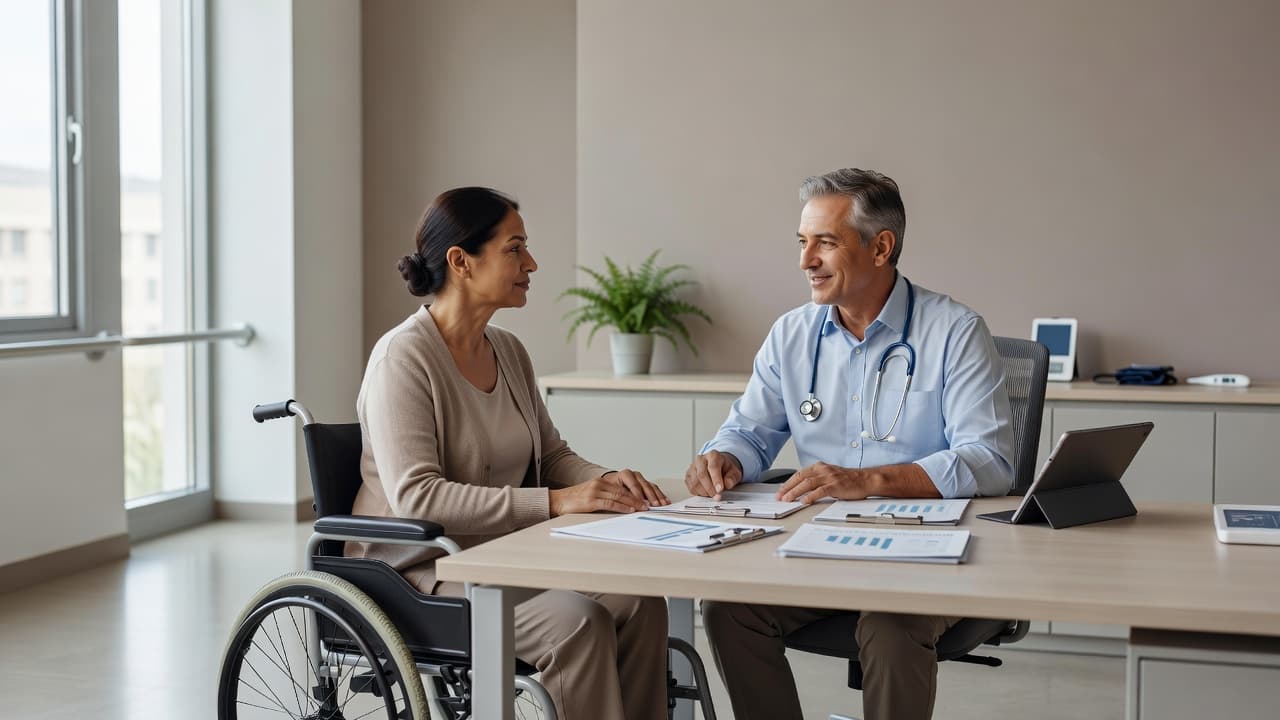
Many individuals must repeatedly explain their symptoms and advocate for themselves during medical appointments. Finding the right specialists, completing paperwork, and securing necessary services can also take significant time and effort.
Together, these challenges make accessing quality healthcare feel like a full-time job for many people living with disabilities.
One thing that can help here is to track our symptoms formally. Then we can present this evidence at our next medical appointments, making it harder for us to get dismissed. It can also be useful to write down any issues you are having and give this to your doctor in the appointment. This can help you stay calm while making sure you clearly get through all the things you wish to say.
It can stop you from earning an income
Sadly, it’s common for people with disabilities to struggle to earn enough income to support themselves. This often leads those with disabilities to claim SSI and SSDI as an income alternative. However, getting your SSI or SDI claim through can also be very challenging in many cases. That is why many disabled people turn to an expert disability lawyer to fight their case. Indeed, someone like Disability Lawyer Sam Earley serving clients in Tennessee, Georgia, South Carolina and across the US, can appeal SSI and SDI cases multiple times. Increasing your chances of getting the favorable outcome you need.
It can make getting an education harder
Even things as universal as getting a good education can be difficult when you have a disability. A student who uses a wheelchair may not be able to attend a class on the third floor if the building lacks an elevator. Barriers like this can limit educational opportunities and create unnecessary frustration. Schools and universities should provide ramps, elevators, accessible entrances, and other accommodations that allow every student to participate fully. These changes remove physical obstacles and create a more inclusive learning environment. Unfortunately, many individuals have little control over when these improvements happen. They often must request accommodations, advocate for their needs, and remind educational institutions of their legal responsibility to provide equal access for students with disabilities.
It may mean you need to make adaptations to your home
Having a disability can also mean that you need to make changes to your home environment. Accessibility is crucial here, but what you change will depend on your specific needs. For example, if you have mobility needs and use a wheelchair or walker, it can mean widening corridors and adding accessible showers. However, if you experience deafness, having a visual alarm for things like the doorbell and telephone will be necessary.

It can mean you need to redefine your goals and future
Additionally, for many of us with a disability, refining our future goals and plans can be necessary. Sometimes this can look like changing our original timelines for things to allow for a slower pace. At other times, it can mean changing our definition of success to better match our circumstances. Although it’s also important to remember that even with disabilities, we can achieve so much and seize the possibilities that open up to us.