
Easy Ways to Elevate Home Decor with Planters
Living rooms, hallways, and home offices undergo dramatic structural shifts when decorated with thoughtful potted plants. Beautiful green leaves fill empty architectural pockets and replace cold surfaces with warm, organic energy.
Selecting decorative containers requires balancing functional plant care with existing interior themes. With 3 deliberate choices, ordinary indoor pots become striking design features that tie entire rooms together.
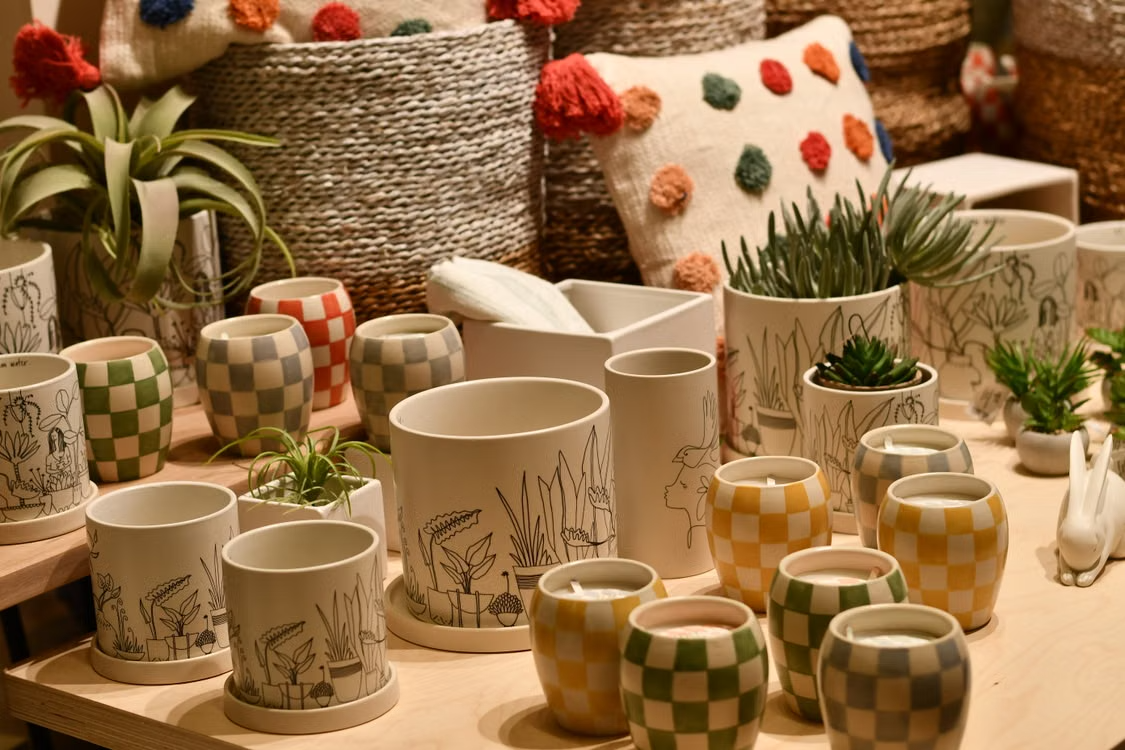
Choosing Sleek Modern Vessels
Greenery transforms living spaces into inviting sanctuaries when paired with modern design elements. Investing in sleek commercial fiberglass planters provides clean architectural lines that immediately elevate a room’s aesthetic appeal. These durable containers fit seamlessly alongside minimalist furniture and contemporary decor.
Container selection sets the visual tone for your entire plant arrangement. Neutral tones like white, charcoal, and matte black allow rich green foliage to remain the main attraction. Placing sleek containers directly on raw hardwood floors creates an eye-catching design balance.
Clean geometry brings order to organic arrangements. Square and cylindrical profiles complement modern architectural details across living areas.
Matching Plant Sizes To Proper Containers
Proper sizing keeps greenery thriving while maintaining visual balance in your living space. Selecting pots that are overly big for small root systems leaves excess soil that holds too much water, which hinders proper root growth. Matching container scale to current plant growth helps maintain visual balance across your design scheme.
Smaller foliage units look best on narrow side tables or floating shelves. Taller indoor trees require wider bases to balance visual weight across large living rooms.
Proportions dictate how comfortable an arrangement feels within a room layout. Oversized containers crowd small entryways, while tiny pots get lost near large sectional sofas.
Choosing the right pot size helps keep your plants healthy and your displays balanced. The pot should give roots room to grow but not leave too much extra soil. Make sure the pot has drainage holes so water can escape and the soil doesn’t stay too wet.
When you repot, move up to a slightly larger size so roots can spread without drowning in soil. Matching pot size to plant growth keeps your indoor garden looking good and your plants thriving.
Creating Visual Interest With Vertical Elevation
Staggering heights prevents flat, uninteresting arrangements across floor spaces. Placing taller items near back walls creates immediate depth in compact corners.
Raising smaller pots onto plant stands creates multi-dimensional displays. Pairing varying heights draws the eye upward and makes low ceilings feel higher.
Tiered stands work effectively in sunlit corners. Combining trailing vines on top shelves with upright shrubs below creates balanced vertical movement.
Vertical plant arrangements help you make the most of limited floor space while giving each plant room to shine. Place taller plants behind shorter ones so smaller foliage doesn’t get hidden.
Wall‑mounted shelves add greenery without taking up walking space. Rotate plants between spots to encourage even growth, especially if light comes from one direction. Mixing different heights and shapes creates a fuller look without crowding the room.
Using Double Potting Techniques For Indoor Styling
Inner plastic pots offer convenience when watering and rearranging your foliage collection. Adding a bottom layer of gravel inside decorative outer containers lets you safely display plants while keeping them inside original nursery pots. This method stops excess moisture from damaging surrounding floor finishes or wooden furniture.
Nursery liners make seasonal foliage swaps fast and effortless. Decorative moss placed over inner rims hides nursery containers completely.
Heavy decorative vessels stay clean when inner liners handle drainage. Swapping lightweight pots between rooms allows quick aesthetic updates without mess.
Improving Indoor Spaces With Natural Greenery
Indoor spaces feature constant air turnover even inside tight modern construction projects. Adding dense foliage throughout high-traffic areas introduces organic textures that soften harsh modern angles.
Grouping items in odd numbers like 3 or 5 creates organic arrangements. Incorporating species with distinct leaf shapes adds subtle texture without cluttering room design.
Natural greenery balances sleek synthetic materials like glass and metal. Wide leaf surfaces capture light, adding subtle brightness across muted color palettes.
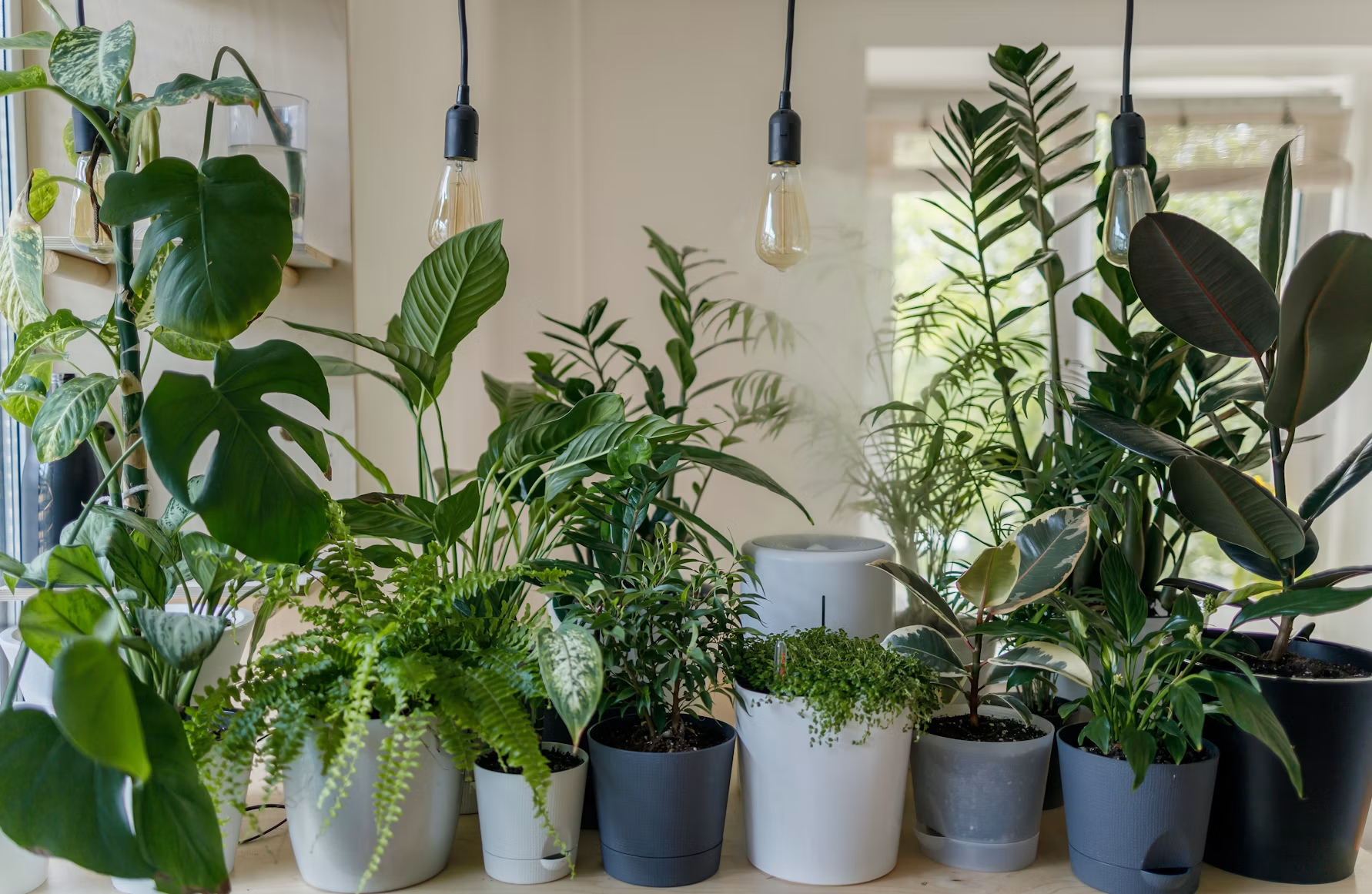
Quick Tips For Styling Potted Greenery
Simple placement choices transform empty room corners into focused visual features. Strategic arrangements create immediate structure across open floor plans.
- Group pots in clusters of 3 to build natural balance.
- Mix matte finishes with glossy foliage for textured contrast.
- Position tall floor pots next to large furniture pieces.
- Use matching saucer bases to protect decorative surfaces.
Consistent container styles unify diverse plant collections effortlessly. Small details like uniform soil covers add clean finishing touches.
Selecting matching color palettes bridges individual rooms together. Repeating pot textures across open floor plans maintains clean aesthetic flow.
Redesigning living areas with strategic plant containers blends natural beauty with interior structure. Choosing correct vessel sizes, varied heights, and reliable drainage methods protects greenery while upgrading home aesthetics.
Simple adjustments turn ordinary rooms into refreshed, stylish spaces. With thoughtful container choices, indoor plants serve as lasting decorative statements throughout your home.