
7 Keys To Better Construction Project Management
Managing construction projects is challenging for any entrepreneur. Often you have to adopt new skills and bring in partners to understand what they’re doing. There are other realities to consider as well, like supply chain pressures, labor difficulties, and software to assist with construction projects.
In this post, we look at how you can improve construction project management. We run through some of the fundamentals you’ll need to learn before you embark on any projects like this.
Create a comprehensive plan that covers all of your key milestones
Your first port of call is creating a comprehensive plan that covers all of your key milestones. You need to think about things like:
- The resources you’ll use
- The procurement and sequencing you’ll adopt
- When you want things to be completed by
Of course you’ll need to build in flexibility for inevitable changes, but a rough outline is critical. Modern tools can help you with this. They can provide dynamic schedules based on data from hundreds or thousands of projects telling you how long it realistically is going to take from time you break ground until completion. For example, you can get updates and dynamic forecasting based on factors like:
- Workforce availability
- The weather
- Material lead times
If you don’t plan properly, it can be the number one killer of construction timelines. Knowing what’s coming down the pike is essential.
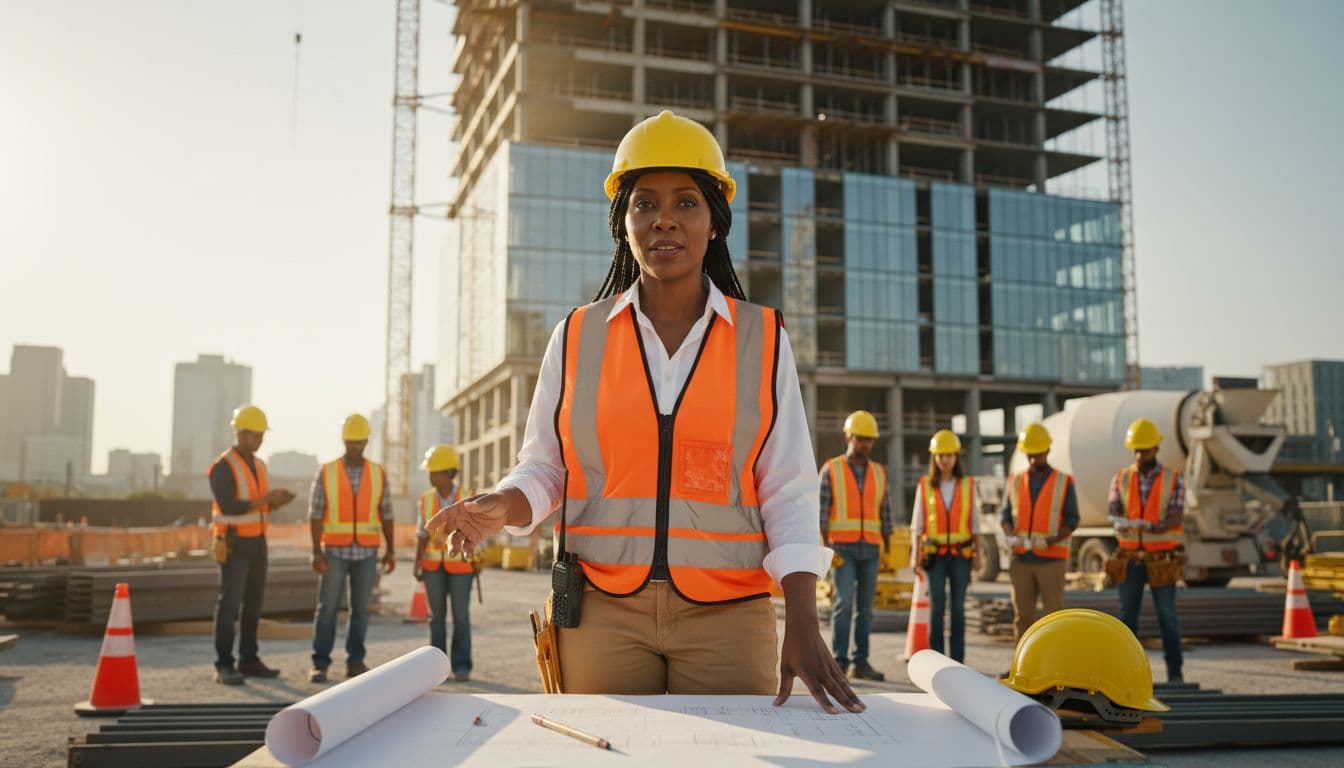
Prioritize centralized real-time communication
At the same time, you want to prioritize centralized real-time communication. As a project manager, keeping everyone up-to-date is critical. Don’t use fragmented channels like texts, emails, and calls. Instead, use a platform that unifies all of the critical information that stakeholders need: project communications, decisions that you make centrally, documentation, and live updates.
When you have all of this in the same place, it reduces the risk of misunderstandings. Everybody has a central source of truth, and people aren’t passing information along a daisy chain. This reduces the finger-pointing and lost information, allowing projects to proceed as specified.
Unfortunately, issues are more challenging when you have a hybrid team. For example, if you have some people on the construction site and some at the head office. If this is the setup that you have, then it becomes even more critical to focus on communication tools.
Everybody should have live updates of the situation, and anyone in the organization should be able to communicate with key people elsewhere to ensure the business moves forward productively.

Implement proactive management
Another thing you’ll want to do is implement proactive risk management. If you can monitor, prioritize, assess, and identify risks as they happen, then you’ll be in a better position to prepare for them and adapt. The main risks are:
- The weather
- Regulatory shifts
- Labour shortages
- Supply chain volatility
We’ve seen all of these impact firms significantly in recent years. Especially those involved in the construction industry. If you can use your team to inform you of the risks that you face, and keep up to date with critical information channels that can highlight pending issues that might be on the way, the best construction managers look for problems and identify them in the future instead of just reacting to them.
For one, you could make use of concrete waste and worksite debris by recycling it via mobile crushing and screening. Not only does this clear up the site for health and safety, but could help to reduce the wait on your supply. When you know there’s going to be a problem (like severe weather), you can prepare in advance and keep more stakeholders happy.
For example, let’s say you know there’s going to be a storm on Monday, you could create a new workday on Saturday, and then give your workers Sunday and Monday off. This saves costs without disrupting completion timelines.
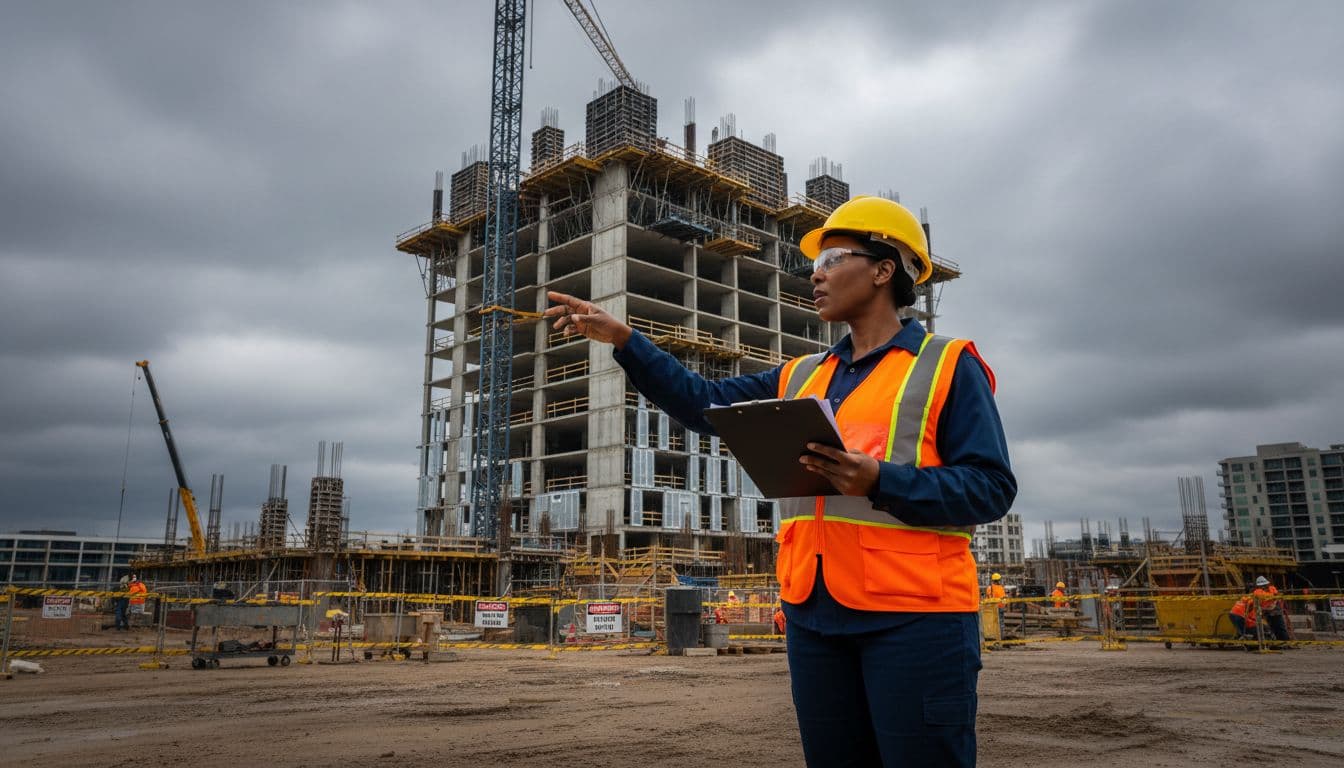
Work with experienced construction managers
Working with experienced construction project managers is also useful. Teams like those at SCBCG can provide you with unique insights and knowledge.
Many project construction managers try to do everything themselves, but this self-reliance can actually be their undoing. Often, they don’t have all of the information they need to bring a construction project to a successful conclusion. Working with partners who have more experience can be extremely helpful and enable small teams to bring in outside skills.
Build and lead a competent team
Another way to succeed in this industry is to build and lead a competent team. If you have experienced people who clearly defined roles around you, then construction projects will proceed more efficiently.
Many businesses and contractors do this by investing in a training and safety culture. They put both of these elements first to reduce costs while also boosting productivity.
At the same time, the human side of the business also matters. Companies that invest in active listening, emotional intelligence, and psychological safety are more likely to succeed long-term. They can build deeper skills networks and integrations because people simply stay for longer, and churn is lower.
It’s worth remembering that in the construction industry, employee problems are more damaging than delays or equipment failures. If your team doesn’t get on with each other, it can really set you back.
Embrace technology and digital workflows
Another thing you’ll want to do is in technology and digital workflows for construction project management. Construction-specific software like field apps, IoT sensors, and BIM coordination are all available. However, AI tools are also becoming more useful for making predictive insights. These allow you to connect multiple parts of the project management workflow, including execution, planning, and close out.
This adoption of advanced technological tools is particularly pertinent in specialized fields, where moving to predictive systems can be greatly enhanced by leveraging specific electrical software to streamline complex installations and maintenance schedules. Such specialized platforms ensure precise planning, risk mitigation and efficient resource allocation for electrical components, directly translating into project success and competitive advantage.
Right now, most construction project managers are using paper on glass digitization, which isn’t really the real thing. If you can move beyond this and use predictive systems that can anticipate risks and adjust dynamically to new situations, then you’re putting yourself ahead of 99% of the competition.
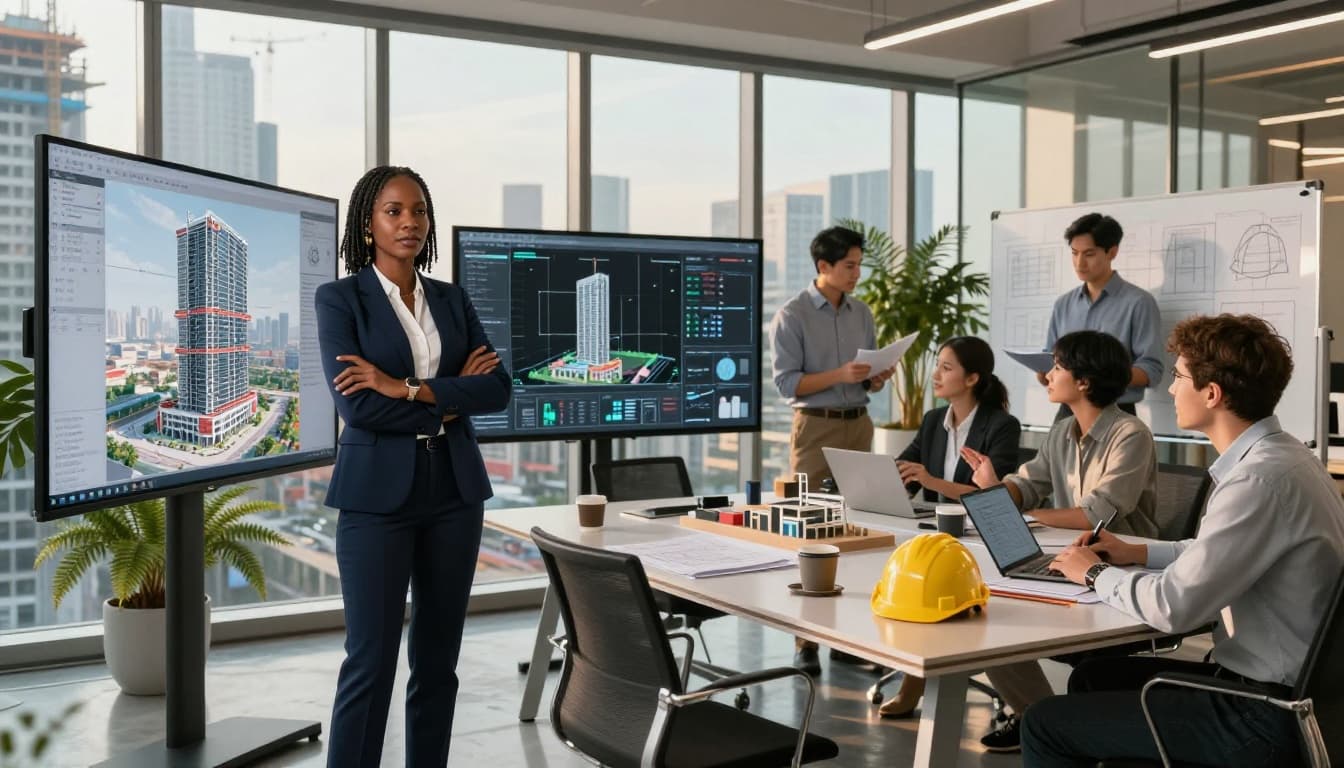
Put quality control at the forefront
Finally, if you want to be a successful construction project manager, then insisting on putting quality control as your first priority is essential. If you can maintain rigorous standards, then more people are likely to trust you and want to work with you. You want to have as many quality checkpoints throughout the various phases of your business as you can get. You also want strong safety protocols that protect your people and your reputation.