
The Community Leader’s Guide to Efficient Commercial Site Design
A new commercial development can either become the vibrant heart of a neighborhood or a daily headache for residents. As a community leader, your voice can help guide these projects toward outcomes that truly serve the people who live and work there. When you understand the basics of good site design — efficient and people-focused — you’re better equipped to push for spaces that are accessible, enjoyable, and good for everyone.
It’s not just about buildings and parking lots. It’s about creating environments that help people connect and improve their quality of life. Knowing what to look for and what to ask for means you can help ensure new developments become community assets, not problems.
Start with a People-First Vision
Before anyone even draws a blueprint, the best commercial projects start with a clear idea of what the user experience should be. This means thinking about who will use the space and how they’ll interact with it. Will it be a place for families, a spot for young professionals, or a convenient stop for seniors? Answering these questions helps set the project’s priorities.
A community-centered design approach puts human needs first. Instead of asking, “How many stores can we cram in here?” it asks, “How can we create a place where people actually want to spend their time?” This might mean pushing for wider sidewalks, comfortable public seating, or areas for community events like farmers’ markets. When the design focuses on people, commercial success often follows naturally because you’ve built a place where the community feels welcome and valued.
Prioritizing Accessibility and Flow
How people get to, move through, and leave a site is crucial for its success. A poorly designed layout can lead to traffic jams, unsafe pedestrian crossings, and general chaos. As a community advocate, you should champion designs that ensure smooth and safe movement for everyone, whether they’re arriving by car, on foot, by bike, or public transit.
This means looking at the whole journey. Are the entrances and exits clearly marked and placed logically to prevent traffic backups on main roads? Are there safe, direct paths for pedestrians to get from the parking area to the storefronts? Careful planning in these areas is essential. This also includes effective car park management, which is more than just fitting as many spots as possible. It’s about creating lots that are easy to navigate, well-lit, and safe for all users, including parents with strollers and people with mobility challenges. Good flow reduces stress and makes the whole experience more pleasant.
Balancing Green Spaces with Practical Needs
When developers focus on commercial efficiency, green spaces can sometimes feel like an afterthought. But including natural elements is vital for creating a welcoming and sustainable community hub. Parks, plazas with trees, and even small garden plots offer places to rest and socialize. They improve air quality, reduce the urban heat island effect, and provide a visual break from all the concrete and asphalt.
Advocating for this balance is a key part of your role as a community leader. It’s not about demanding a full-scale park in every development, but about finding creative ways to weave nature into the design. This could be a green roof on a building, a rain garden to manage stormwater, or a central courtyard with shade trees and benches. These features turn a simple commercial site into a destination where people can shop, eat, and relax.
Engaging Stakeholders and Gathering Feedback
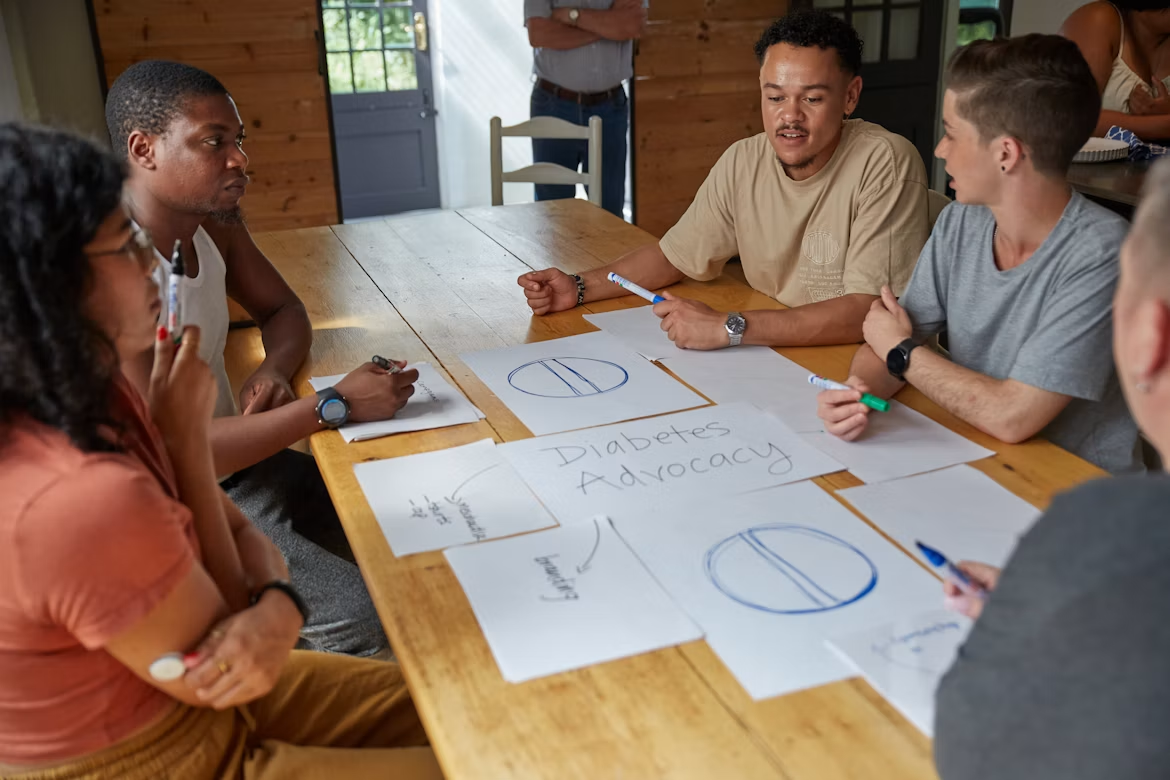
Your perspective as a community leader is incredibly valuable, but it’s even stronger when combined with the voices of your neighbors. Good site design comes from working together. Encouraging developers and planners to hold public meetings, conduct surveys, and create ways for people to give feedback ensures the final project truly reflects what the community needs and wants.
This requires strong skills for effective community leadership, like really listening and helping discussions move forward. When residents can share their concerns about traffic, noise, or a lack of play areas, designers can address these issues early on. This collaborative approach builds trust and leads to a final product the community feels a sense of ownership over, ensuring its long-term success and integration into the neighborhood.
By pushing for a design process that focuses on people and collaboration, you help create commercial spaces that do more than just serve a purpose. You help build a stronger, more connected, and more vibrant community for years to come.