
Modern Design Trends Shaping Commercial Buildings
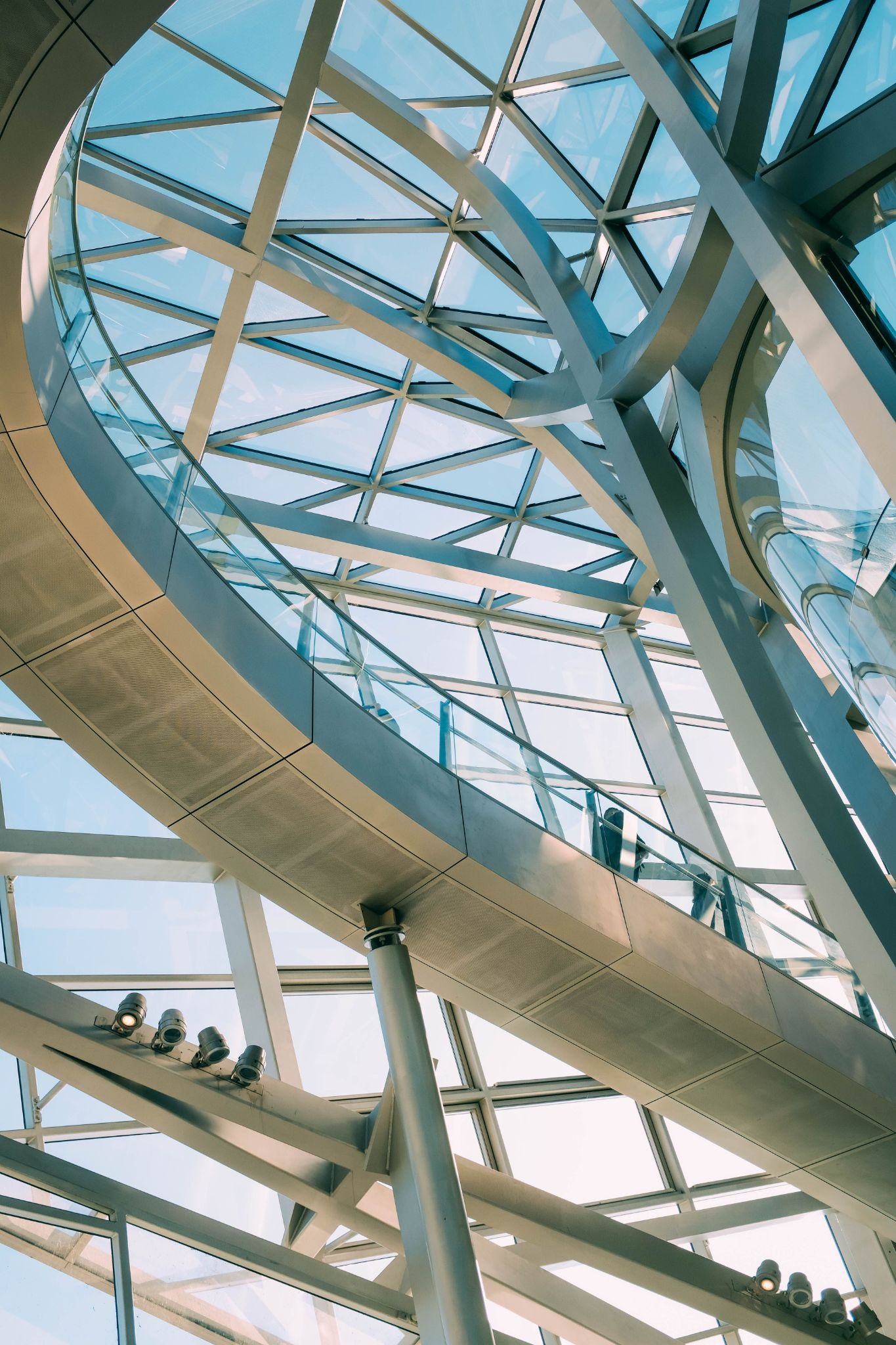
The past decade has seen a significant shift in commercial building design. Priorities have changed, and what drives architectural choices today is vastly different from those built a generation ago. These days, the focus is on sustainability, technology, human wellbeing, and visual identity, to name a few trends that have moved from peripheral considerations to central ones.
If you want to understand modern commercial architecture, this guide can help. It explores the design trends shaping today’s commercial buildings. You’ll discover how sustainability, technology, wellness, and flexibility influence new projects. These ideas can also inspire your next commercial building design.
Sustainable Architecture
Sustainability is no longer a selling point. It’s an expectation. Commercial buildings are increasingly designed from the ground up with environmental performance as a primary objective rather than an afterthought.
Sustainable commercial buildings use thoughtful design from the very beginning. Architects maximize natural light to reduce artificial lighting needs. They position buildings for efficient passive heating and cooling. Many projects also include green roofs and living walls to manage stormwater and reduce urban heat. Builders choose materials that deliver strong performance while supporting environmental sustainability.
The shift is being driven in part by regulatory pressure, tenant demand, and a genuine recognition that sustainable buildings perform better over their lifetime. Sustainable buildings also come with lower operating costs, a healthier indoor environment, and stronger long-term asset values, which all work together to make the business case for sustainable design easier to make. This is one of the main reasons why the trend is likely to accelerate rather than plateau.
Smart Building Technology
The integration of technology into commercial buildings has moved well beyond basic automation these days. Today’s smart buildings use IoT sensors, AI-driven management systems, and interconnected infrastructure to optimize how a building operates in real time.
The result of this is lighting that adjusts automatically based on occupancy and natural light levels, its HVAC systems responding to how many people are in a space and the current outdoor conditions to adjust accordingly. On top of this, energy use is monitored, analyzed, and adjusted continuously.
Smart technology makes commercial buildings easier to manage every day. Building owners receive real-time data about energy use, occupancy, and system performance. These insights support better decisions about space planning and maintenance schedules. They also help teams identify trends, improve efficiency, reduce operating costs, and guide future building upgrades and design improvements.
Bold Facades and Exterior Finishes
The exteriors of commercial buildings have always communicated something about the business inside them. And that’s not changed as such; it’s more the range of materials, forms, and finishes that have updated the exterior of commercial buildings alongside the willingness of clients to invest in this aspect of design to express brand identity.
Metal facade systems have become one of the defining materials of contemporary commercial architecture. The design flexibility they offer, in terms of panel geometry, texture, color, and the way they interact with light, makes them a natural choice for projects that want a distinctive exterior presence. Architectural metal systems give architects and developers the tools to realize complex high-performance facades while meeting the durability and performance requirements that commercial construction demands.
Wellness Focused Workspaces
There has always been a relationship between the built environment and human health, but in recent years, this has received more attention than at any other point in the history of commercial design. This is leading to more buildings being designed and certified with occupant wellness as an explicit objective. It goes far beyond comfort in the conventional sense; it focuses on air quality, acoustic performance, thermal comfort, access to daylight, and spaces that support both focused work and genuine rest.
Wellness certification frameworks have further formalized this shift and have given developers and tenants a structured way to evaluate and communicate the health credentials of a building. And this is a huge differentiator for businesses looking to attract top talent to their companies.
Net Zero Energy Buildings
Net-zero energy buildings are buildings designed to produce as much energy as they consume over the course of a year. This, however, is one of the more ambitious directions of commercial design. The buildings need to combine passive design strategies, high-performance building envelopes, renewable energy generation (most commonly solar), and sophisticated energy management to achieve a balance that was thought to be impractical not too long ago.
While there aren’t currently a great many net-zero energy buildings, as the technology grows and becomes more accessible, and the regulatory market pushes this direction, this number will likely increase. Partly due to trends and the appeal of these buildings being insulated from energy price volatility in a way that conventional commercial buildings aren’t.
Biophilic Design
Biophilic design is the deliberate incorporation of natural elements into built environments. It has moved from a niche concept to a mainstream design principle. And there is research to support this type of design, which is actually rather compelling. Access to natural light, views of greenery, natural materials, and good air quality all have measurable positive effects on the well-being, focus, and productivity of the people who work in the space.
What this looks like in a commercial building is larger windows and skylights, indoor planting and green walls, water features, natural timber and stone used alongside more industrial materials, and a general design philosophy that seeks to bring the outside in. Plus, there is a significant aesthetic appeal to biophilic design that elevates commercial buildings.
Flexible and Adaptive Spaces
The pandemic accelerated a shift that was actually already underway. It’s a move from a fixed single-purpose commercial space towards interiors that can adapt to changing needs. Open floor plans, moveable partitions, multipurpose areas that can serve as meeting spaces, collaborative zones, or quiet working areas during the day. These are all now standard in many commercial office designs.
The logic behind it is actually straightforward. Business change, teams grow, contract, and working patterns evolve. And commercial buildings need to accommodate that change without requiring significant investment to reconfigure.