What to Actually Look for When You’re Choosing a Bank Account
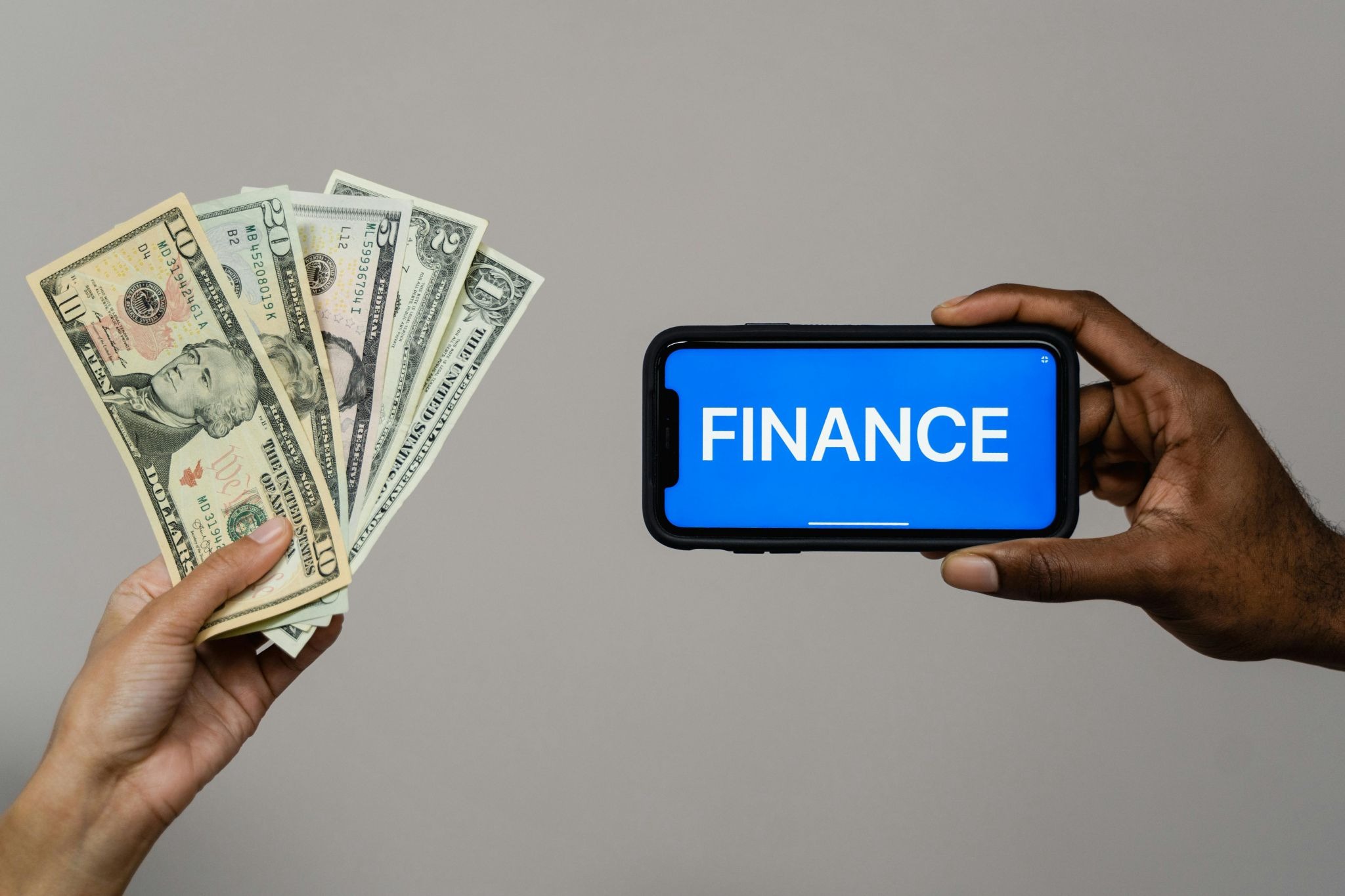
What makes you choose who to set up a new bank account with? Choosing the wrong banking institution can cause you more hassle than it’s worth, and whether you need to obtain an account to have your paycheck deposited into or to pay your bills, there are a few things you need to know and look out for when finding your new bank account.
Monthly Fees
It might not seem much per month for the monthly fee, but when you add it up over a year or a few years, the money you’re handing to your bank can really add up, and if you’re not getting anything from it, do you really want to keep giving them your business? For example, a $12 monthly fee is $144 over a year. When you add up ATM charges for out-of -network withdrawals, the real cost of a basic bank account escalates. Is this a cost you’re happy to absorb?
Mobile Deposits and Instant Transfers
Ideally, you want to choose a personal banking account that has these as standard, not an add-on feature. You want to be able to deposit cheques by snapping an image you can upload to your account. You want to have access to instant transfers if you need them, without using a third-party app. It’s basic functionality, you’re looking for, not more inconveniences. This is especially important if you’re being charged for the account, you want something that gives you real value for money.
Overdraft Policies
For the most part, when it comes to personal banking, overdraft policies are similar across the board. It’s a flat fee per overdraft. Some will charge by the day for each day the account is in a negative balance. Others might offer a grace period or a linked account sweep to allow you to pay back what is owed.
It’s the bank’s policy that matters to you here. It will influence how you manage your account. But even if you plan on ever using the overdraft feature it’s important to know what the rules and fees are just in case, as it will help you understand if it’s the right account for you or not.
Customer Service Matters
This matters more than you might realise. Sure, you want to take care of business in a more convenient way, but when you’re having problems or you need to speak to someone, the type of customer support will make or break the experience and dictate how easy it is to resolve a problem.
Things like disputing charges, a frozen card, or fraud on your account, for example. For some people, these issues happen on a more regular basis. Knowing the customer service options before signing up can give you an indication of what to expect when the worst happens to your finances. Check their opening hours, how they respond to queries, how many ways you can contact them, and the average wait time for help or a resolution. All of these will help you assess if you’re going to get the right support when you need it.