
5 20-Minute Tasks That Quietly Shape Your Entire Campervan Holiday
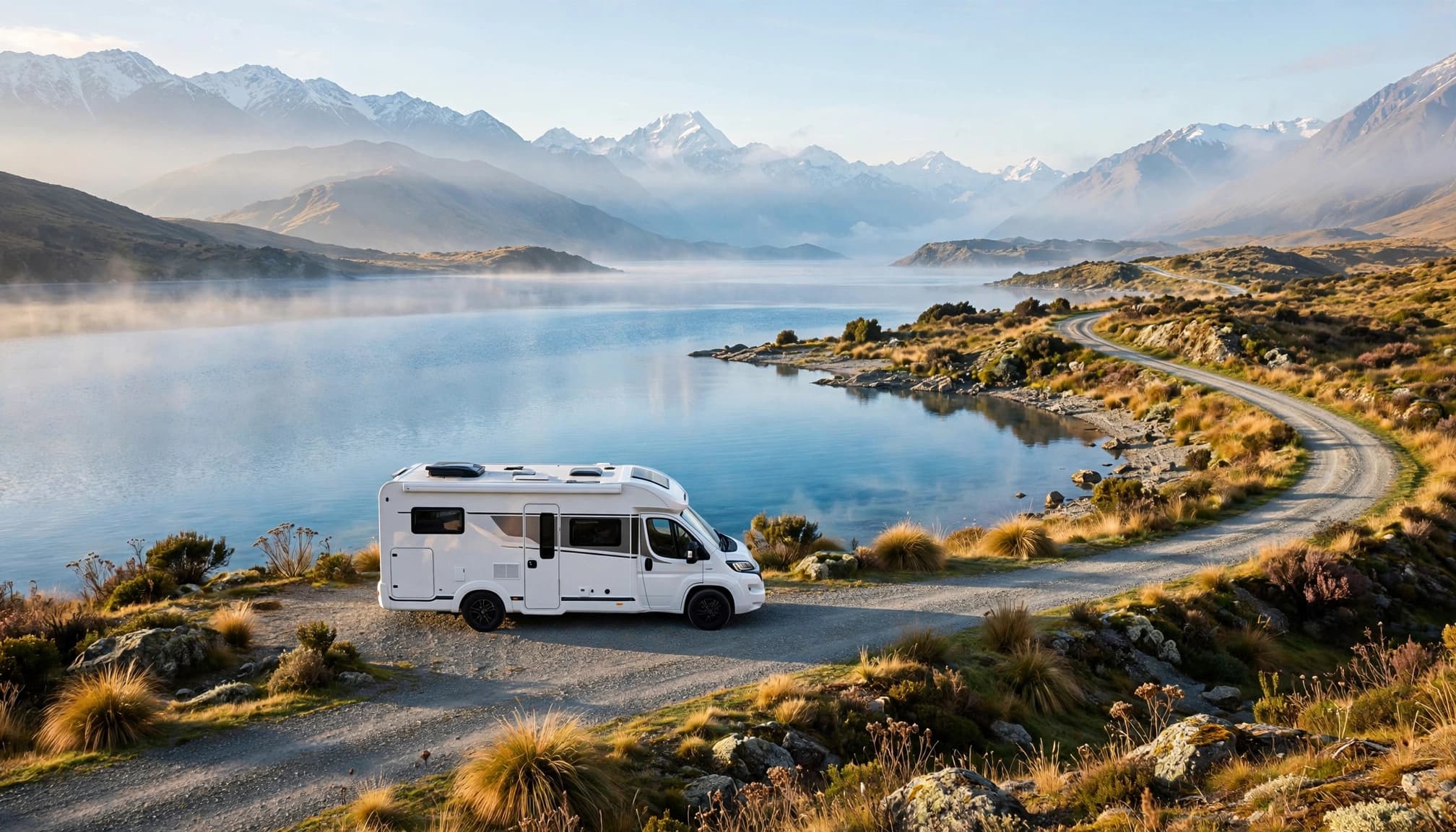
It can feel wonderfully spontaneous to travel across popular destinations with the flexibility that a campervan gives. However, what you do before you set out on your journey can greatly influence how smoothly the experience unfolds. The amount of preparation you do can affect how easily you handle the practical side of the trip once you’re on the road.
Fortunately, many of the tasks that come with planning for a campervan holiday are simple and can be completed within 20 minutes. Taking care of these small details as soon as possible also ensures that you have more time to focus on the experience itself rather than dealing with avoidable problems during your trip. Here are some simple preparations that can make a noticeable difference to your campervan holiday:
1) Securing Your Campervan Early
Campervans can be in high demand during popular travel periods, causing many vehicles to be booked out weeks before peak dates arrive. This can make it difficult to find a suitable option if you leave your search too late, which is why it’s ideal to reserve your campervan early.
This task is made easier thanks to online booking platforms and rental websites. If you plan to take your campervanning trip across Auckland, New Zealand, for example, a quick online search for a campervan hire from Auckland Airport can show you nearby rental options. This allows you to not only secure a campervan that suits your budget and the size of your group, but also compare your options without feeling rushed. In addition, it lets you review your booking details more carefully, giving you a clearer understanding of the rental terms before confirming your reservation.
2) Mapping Out Your Route and Key Stops
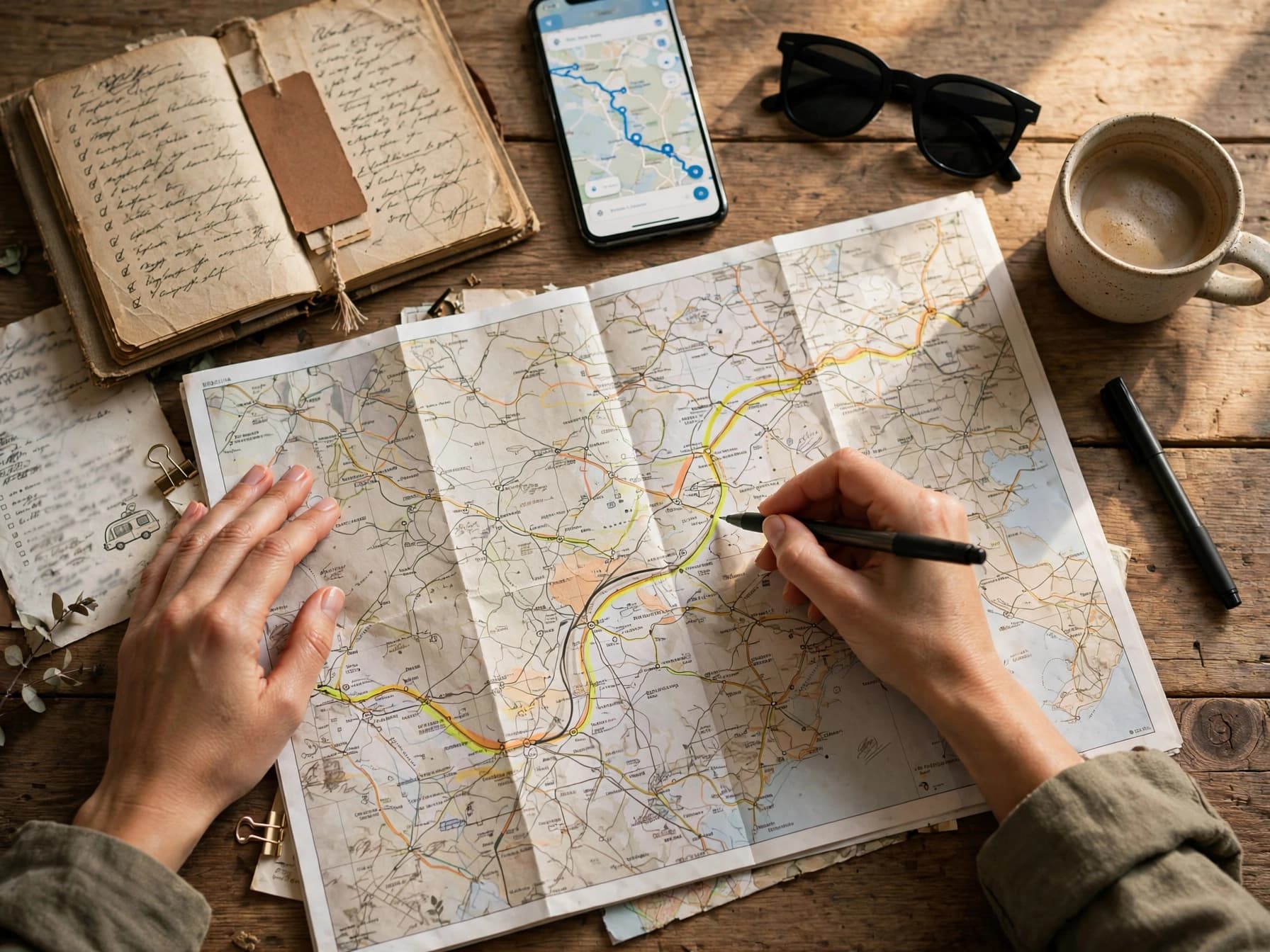
Even though a campervan gives you the freedom to explore different places at your own pace, having a general route in mind can keep your journey manageable. It gives you a clearer idea of how your time on the road might unfold, including how much ground you can realistically cover in a day.
Try spending 20 minutes on creating an outline of your route to give your trip some useful structure. This enables you to identify the places you want to visit and plot them on a map so that you can see whether the distances between stops are practical.
Do your best not to fill each day with too many fixed plans. Leave some room for spontaneity or rest for some added flexibility to make changes along the way. With a balanced itinerary, you can keep the journey organised without making it feel overly rigid.
3) Creating a Campervan Packing Checklist
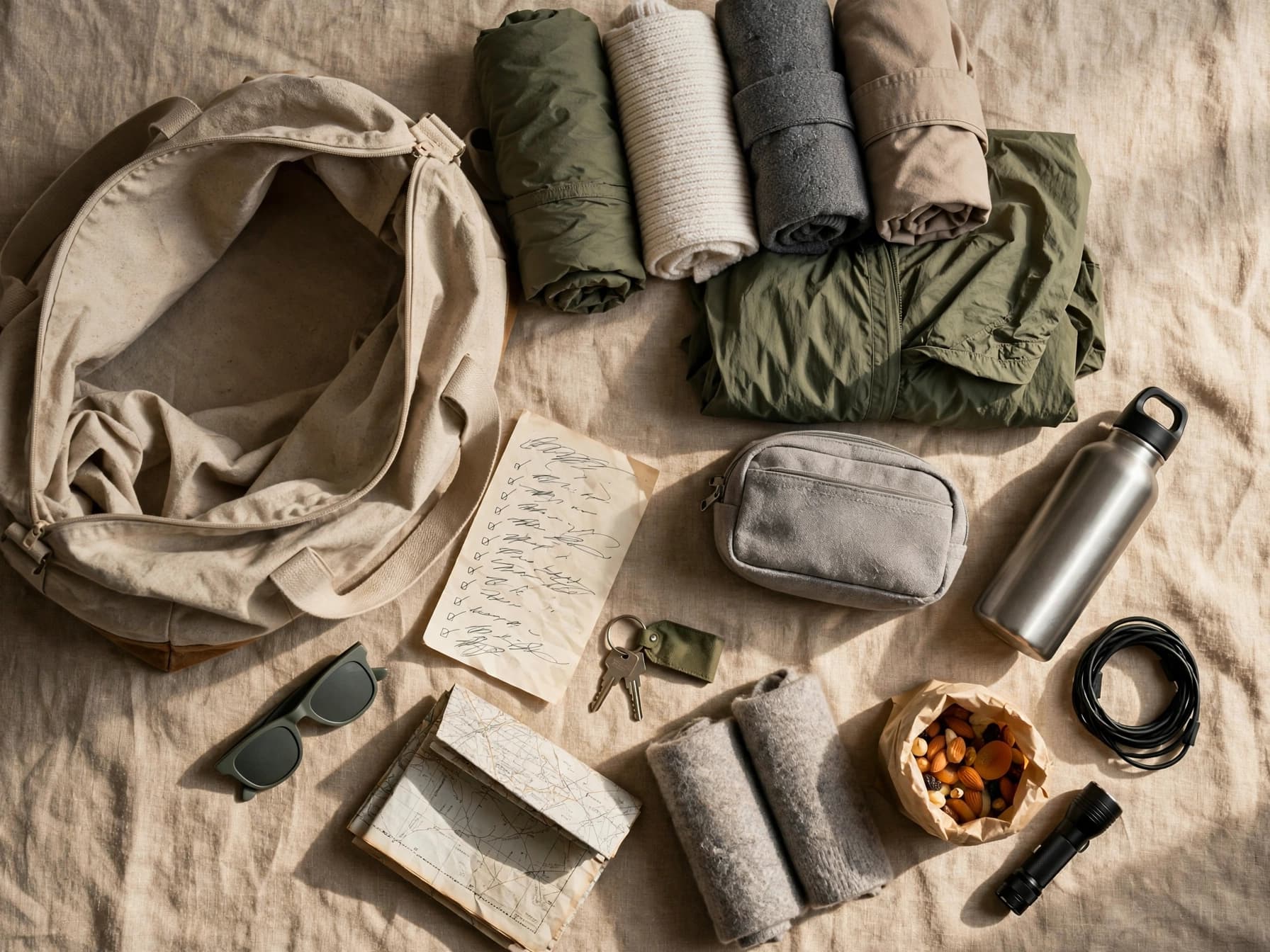
Limited space inside a campervan makes thoughtful packing particularly useful. A checklist can help you focus on what you will actually need instead of filling the vehicle with items that may never leave your bags. Before making one, check what your campervan rental already provides. This way, you can avoid bringing unnecessary duplicates that may take up valuable storage space.
Once you know what’s already included in the vehicle you’re renting, write down the remaining essentials for your holiday. Consider what you’ll need for your planned activities and everyday life inside the campervan. Common essentials include suitable clothing, toiletries, food supplies, and charging cables for your devices. You should also pack for the expected weather, such as a light jacket or warmer layers, so that sudden changes in conditions are easier to manage.
Finally, keep the checklist handy as you pack and tick off each item once it is ready. This simple system makes forgotten essentials less likely and helps you use the campervan’s available storage more efficiently.
4) Dividing Responsibilities Before the Trip
A campervan holiday usually involves more shared tasks than a standard hotel stay. Campervanning often requires you to manage navigation, campsite arrangements, shared supplies, and daily upkeep yourself. Due to these added responsibilities, agreeing on who will handle certain duties before departure can make everyday routines easier. This is especially useful if you’re travelling with several people and everyone has different expectations about what they should take care of.
In this regard, a short discussion before the trip can be enough to divide the most important jobs. One person might take the lead on navigation, while another handles campsite check-ins or keeps track of shared supplies. Delegation of these responsibilities clearly reduces confusion and makes it less likely that small tasks are forgotten or repeatedly left to the same person.
5) Reviewing Local Campervanning Rules
Campervanning rules can differ depending on where your route takes you. Some areas place restrictions on where campervans can park overnight, while others have specific requirements for certain types of camping.
Freedom camping in Auckland, for instance, is subject to local rules that travellers need to follow. You generally need to use a certified self-contained campervan, which is a vehicle that’s equipped with the facilities needed to support its occupants without relying on external sanitation facilities.
You should also observe limits on how long you can stay in one place, as many areas only allow a maximum stay of two nights. Furthermore, certain areas in Auckland prohibit freedom camping altogether, and knowing these restrictions can prevent you from choosing an unsuitable overnight stop.
Rather than assuming that an open parking area is suitable for an overnight stay, spend 20 minutes checking official information for the locations along your route. A short review of the rules for your planned destinations can help you choose appropriate places to stop and reduce the risk of having to relocate unexpectedly.
All in all, a successful campervan holiday often depends on how much attention you give to the small decisions before departure. Those choices can shape how confident and comfortable you feel once the trip is underway. They can also give you more room to enjoy unexpected moments without being distracted by issues that could have been handled earlier. With this in mind, spending 20 minutes on the right preparations can do a lot to make the rest of your holiday feel more manageable.