
What Should You Consider When Buying Gas Fire Bowls?
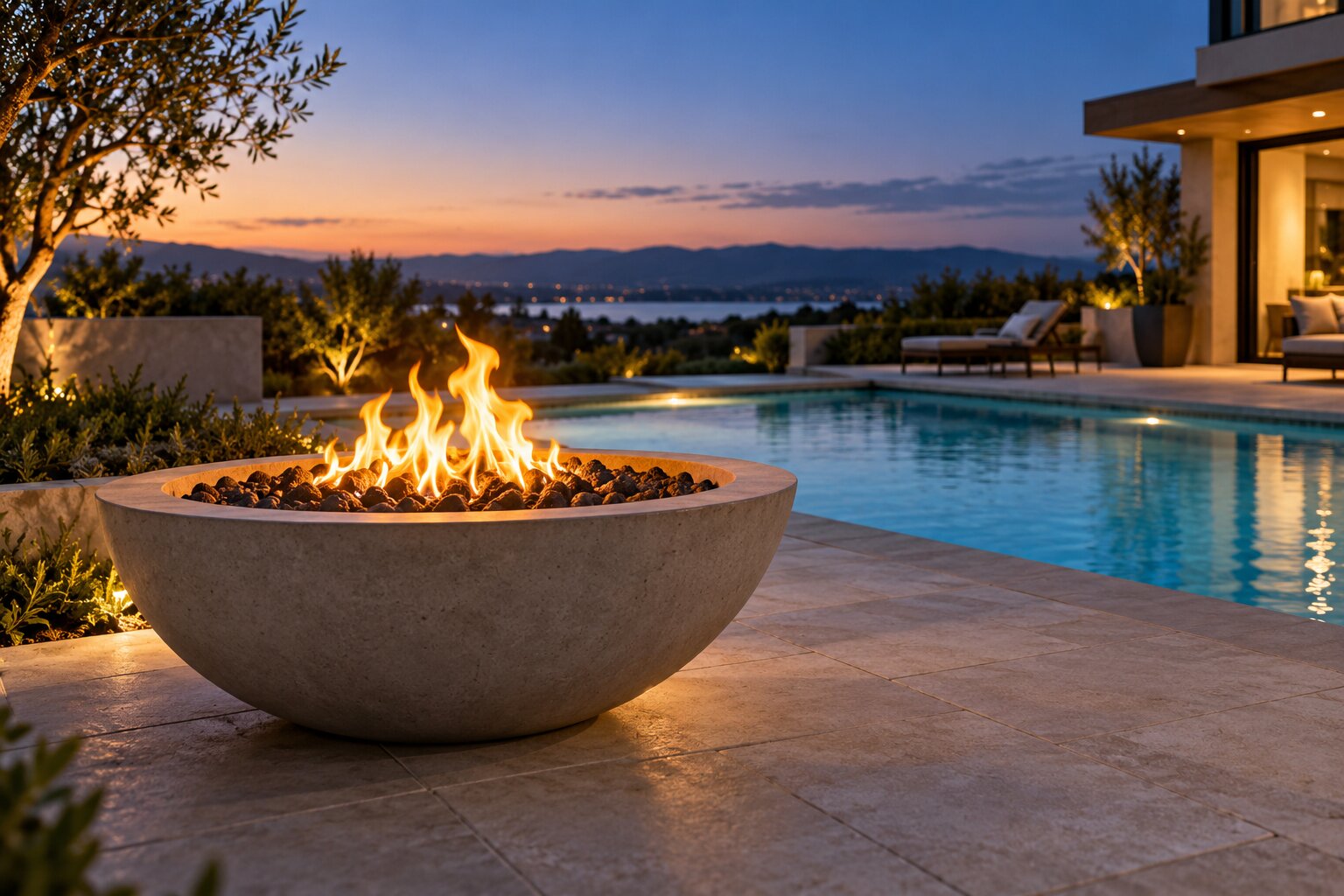
A gas fire bowl can completely change the way you use your outdoor space. What starts as a patio becomes a gathering spot, a place where evenings stretch longer, and conversations carry further into the night.
But not every fire bowl fits every home. The options vary more than most people expect – fuel type, material, heat output, and local regulations all matter before you spend a cent. Here are five things to think through before you buy.
Fuel Type and Connection Options
The gas supply at your home determines more than you might expect. Gas fire bowls for pools and outdoor spaces run on one of two fuel sources – natural gas or liquid propane – and each one comes with trade-offs worth knowing upfront.
Natural gas connects directly to your home’s existing gas line, so you don’t deal with tank refills or running out mid-gathering. It burns cleanly and the ongoing cost per hour tends to run lower than propane over time.
Propane, though, doesn’t need a fixed connection. You can position the bowl wherever it looks best, then swap tanks when they run low. The catch is that propane tanks need space nearby, either tucked beneath the bowl or stored out of sight.
If you’re not sure which fuel type your property supports, check with a licensed plumber or gas contractor before buying. Buying the wrong configuration means extra installation costs or a return you didn’t plan for. The catch is that propane requires purchasing and storing replacement tanks, while natural-gas pool fire bowls eliminate that maintenance but lock you into your home’s existing gas line infrastructure.
BTU Output and Heat Coverage
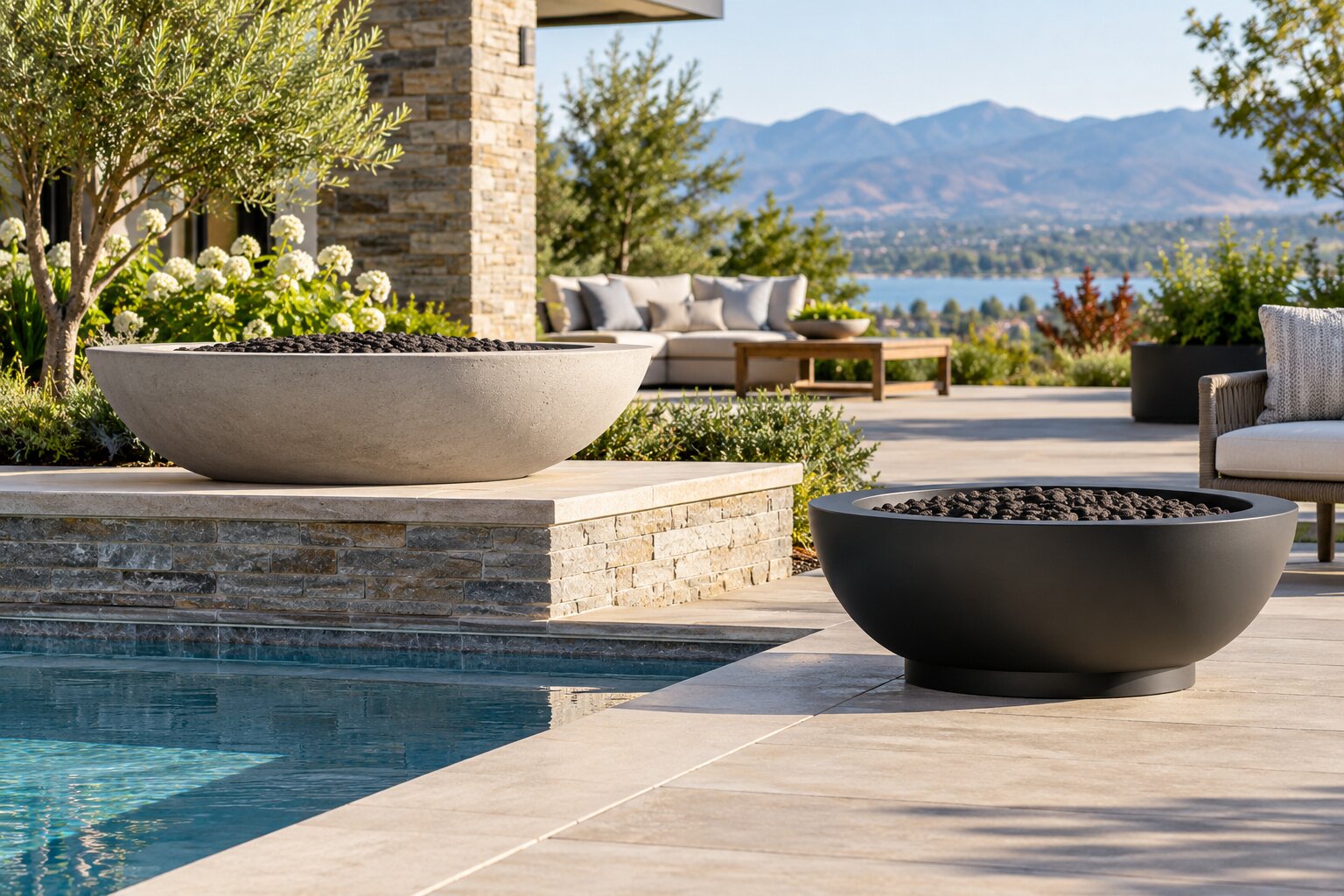
BTU stands for British Thermal Unit, and it’s the measure of how much heat a fire bowl puts out. For outdoor settings, a bowl rated between 40,000 and 90,000 BTUs delivers a visible, satisfying flame without turning a small patio into an oven.
Larger open spaces or colder climates can justify higher BTU output – somewhere you want genuine warmth rather than just atmosphere. But on a compact deck or under a covered structure, that same output can feel stifling and pose a real safety concern.
Measure your outdoor seating area first, then choose a BTU range that fits the square footage. Most manufacturers publish coverage guidelines to help. A common mistake is picking a fire bowl that looks spectacular in a showroom but generates far more heat than your actual setup can handle.
You’ll also want to check whether local code caps BTU output in covered or semi-enclosed outdoor spaces – some municipalities do.
Material and Long-Term Durability
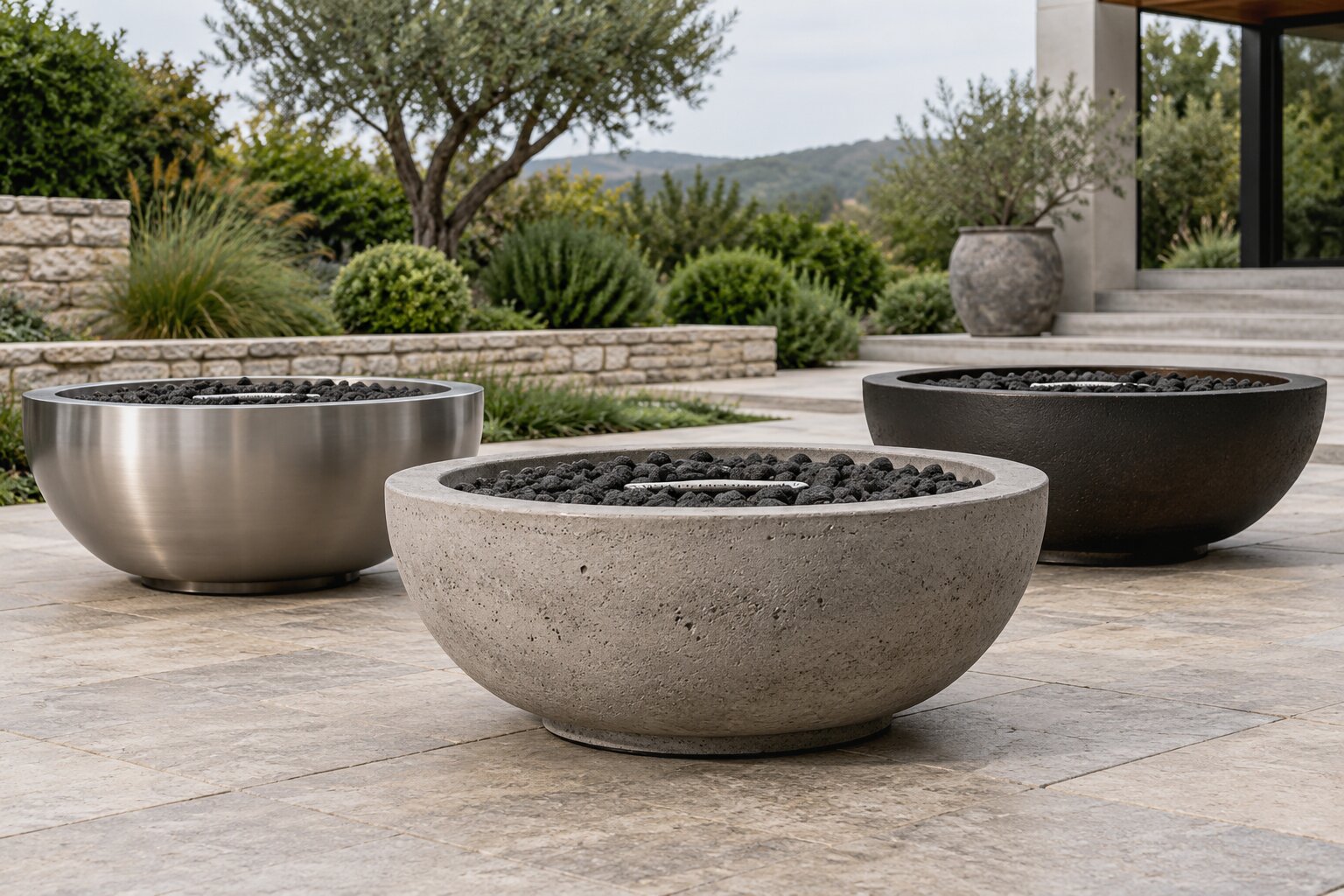
Gas fire bowls come in concrete, fiberglass, resin, steel, and cast iron, among the most common materials, and each one weathers differently and demands its own level of upkeep. Concrete bowls look striking and hold up well against wind, but they’re heavy and can crack through freeze-thaw cycles if you leave them exposed all winter. Steel is durable and often easier on the budget, but untreated steel rusts when rain hits it consistently. If you’re in a humid region or near salt air, look for powder-coated or stainless-steel finishes. Fiberglass and resin resist moisture well and weigh almost nothing, though direct sun can fade them after a few seasons. Cast iron holds heat beautifully and carries a classic aesthetic, but it needs seasoning and rust protection to last. Think honestly about how much maintenance you’re prepared to do each year, then pick the material that actually fits that answer.
Safety Features and Certifications
A gas fire bowl without proper safety features isn’t an amenity; it’s a liability. Before buying, confirm the unit carries a CSA or UL certification, which means an independent body has tested it against established safety standards for gas appliances. Uncertified bowls might cost less upfront, but they’re often ineligible for homeowners insurance coverage and can fail local permitting requirements. Beyond certification, a few features matter: an automatic shut-off valve, a lava rock or fire glass media layer that shields the burner from debris, and a spark ignition system with a safety pilot. Some models also include a flame guard or wind guard, which turns out to be more useful than people expect on a breezy evening outdoors. Get a cover, too. It keeps the burner and media protected from rain, insects, and leaves that can clog the gas ports when the bowl isn’t in use.
Local Codes, Permits, and Placement Rules
Most buyers skip this step. It’s also the one most likely to cause real problems down the line. Many cities and counties regulate open-flame appliances on residential properties, and gas fire bowls fall squarely within that category. Restrictions typically address minimum clearance distances from structures, fences, and overhead coverings, but some areas ban certain fire features on apartment balconies or within HOA communities altogether.
Call your local fire marshal’s office or building department before you buy, ask specifically about open-flame gas appliances in outdoor residential settings. If a permit is required, the process is usually simple, but it has to happen before installation, not after.
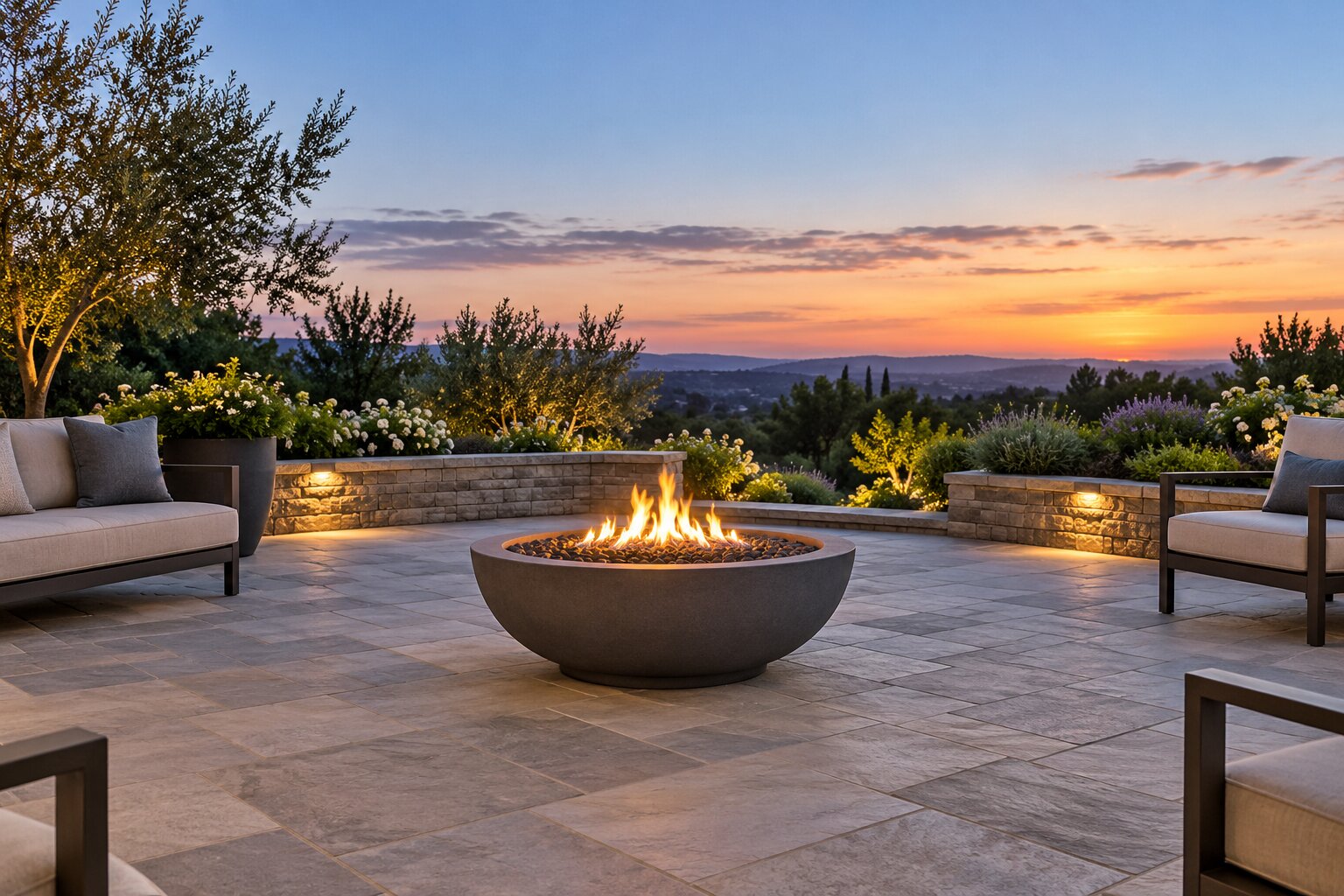
On placement, plan for at least 10 feet of clearance from exterior walls, wood decking, or any overhead structure. Even where code allows closer positioning, heat and the occasional escaping ember create genuine risk near combustible surfaces. A concrete pad, stone tile, or paver base is the safest and most practical foundation.
Choose a Fire Bowl That Fits Your Space
Buying a gas fire bowl comes down to a handful of practical questions: what fuel source you can access, how much heat your space genuinely needs, what material holds up in your climate, whether the unit is certified, and what local code allows. Get those answers before you start browsing, and the remaining decisions – size, style, price – become straightforward. A fire bowl chosen with the right information delivers years of reliable use; one bought without it tends to disappoint fast.