
How to Create Business Events That Strengthen Your Brand
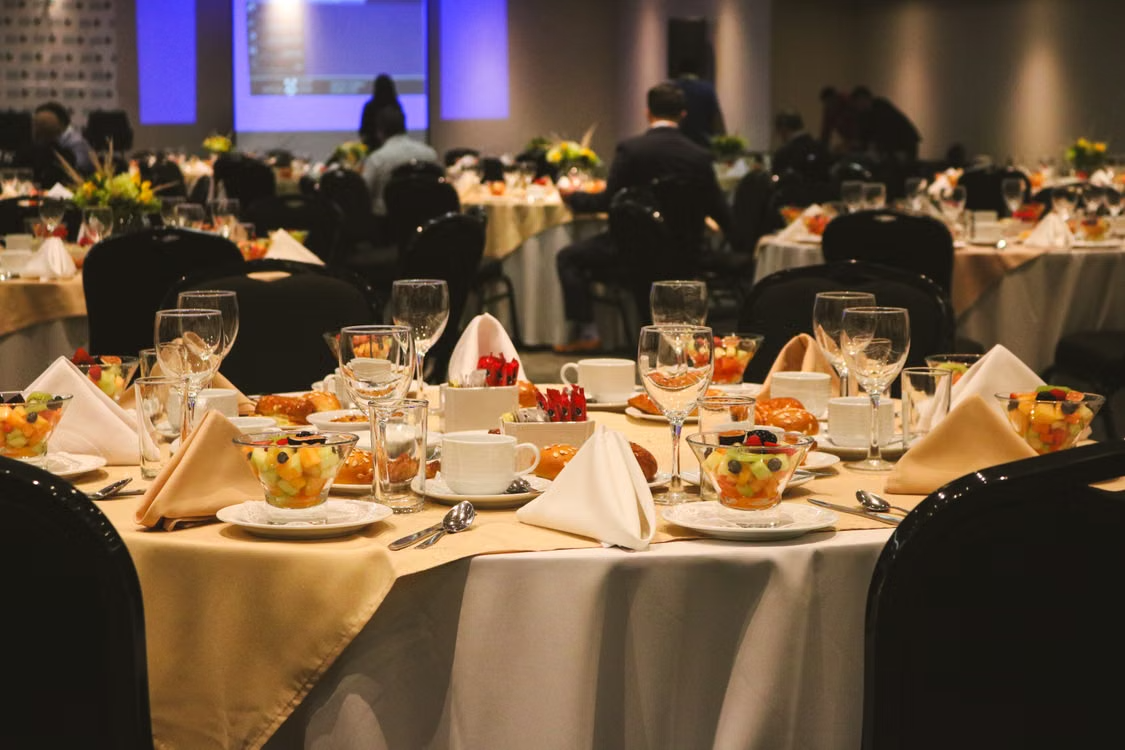
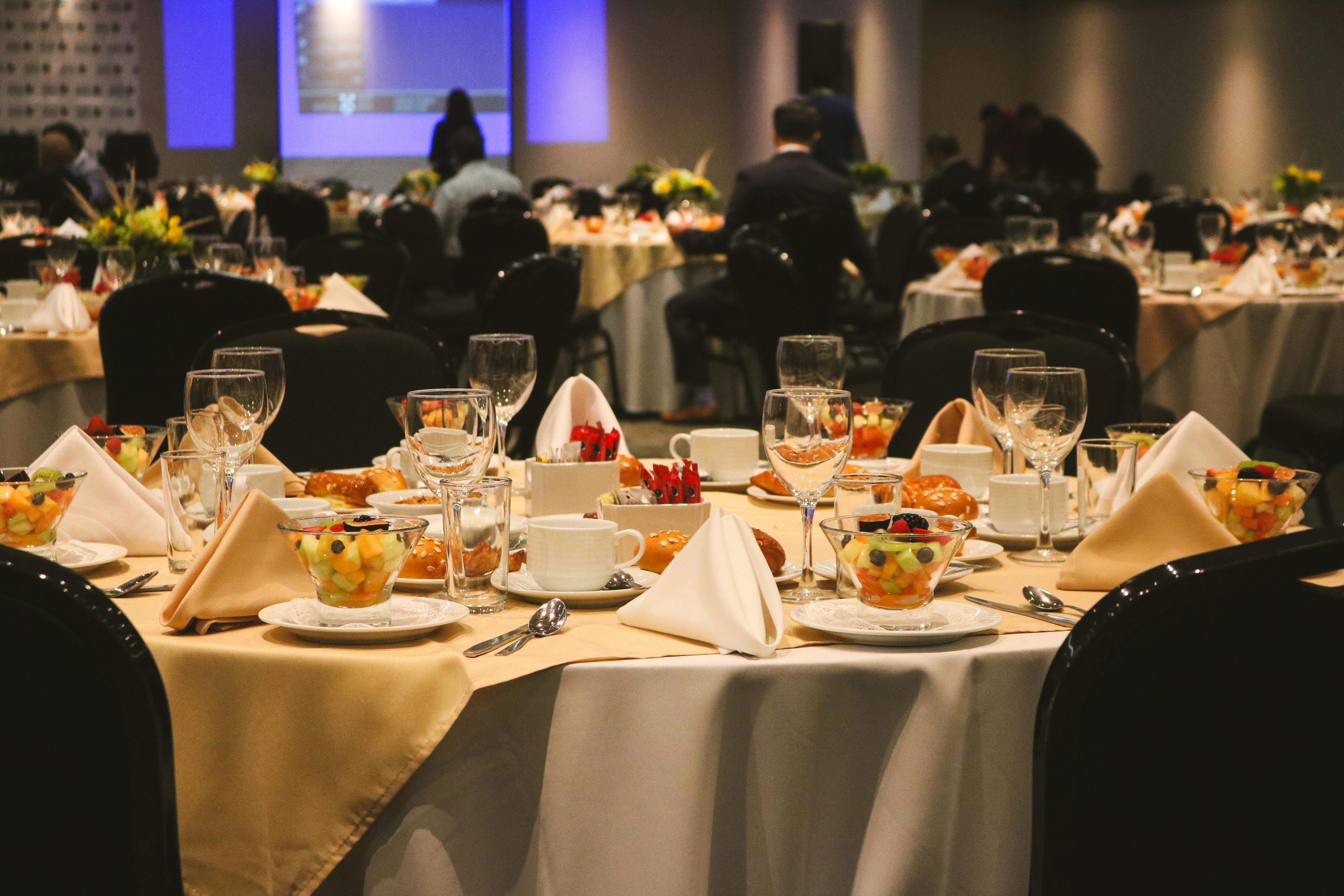
A well-planned event gives people a direct experience of your brand, creating memories that digital advertising alone rarely matches. From customer launches to staff celebrations, the strongest events connect a clear business objective with thoughtful design, reliable technical delivery and useful follow-up. Treating the event as part of your wider marketing plan also helps every dollar, presentation and guest interaction contribute to a defined outcome.
Events as a Marketing Powerhouse
Events bring customers, partners and employees into the same space, allowing your organization to communicate through conversations and shared experiences. That direct contact can strengthen trust, generate qualified leads and give people a clearer sense of what your brand represents.
Start by selecting one primary objective. A product launch might aim to secure 30 demonstrations or media appointments, while an awards evening could focus on staff recognition and retention. Supporting goals are useful, but a single priority keeps your budget and program focused. Your objective should shape the venue, guest list, format and call to action.
Promotion also needs a clear schedule. Useful event marketing strategies include targeted invitations, speaker-led content and post-event communication. Begin with a save-the-date, then share practical information and a compelling reason to attend. After the event, send resources or a relevant offer while the experience remains fresh.
Large formal occasions require early decisions about sound, lighting and visuals. If you’re organizing an awards program or corporate celebration, professional AV production for gala dinners can help create the intended atmosphere and keep presentations moving smoothly.
Local participation can extend the value further. Choose events where your audience already gathers, then offer something relevant, such as practical advice, a useful demonstration or access to an expert.
Designing for Brand Resonance
Guests should recognize your brand through the whole experience, without feeling surrounded by advertising. Brand resonance grows when the event’s message, visual design and emotional tone align with what your organization promises in everyday interactions. Guidance on resonance marketing principles highlights the value of building meaningful connections that continue beyond one campaign.
Create a simple event story before choosing decorations or entertainment. Decide what guests should understand, feel and do by the time they leave. For example, a sustainable fashion company might organise a launch around material transparency. Product displays could explain where fibers come from, speakers could discuss garment care and attendees could receive repair guidance after the event. Each element supports one recognisable idea.
Use your visual identity selectively. Brand colors may appear in stage lighting, signs and digital screens, while typography can keep menus, programs and presentation slides consistent. Repeating the same logo on every surface can make the environment feel impersonal. Give guests room to participate through demonstrations, moderated discussions or hands-on displays.
The program should also reflect the audience’s needs. Senior leaders may value concise presentations and structured networking, while customers attending a community event may prefer informal conversations and practical activities. Account for accessibility from the start, including step-free access, readable text, captions, quiet areas and dietary choices.
Before approving the design, describe the event in one sentence. If each major decision supports that statement, the experience is more likely to feel coherent and memorable.
The Role of Technical Production
Technical production determines how clearly guests can see, hear and follow the program. Even strong speakers lose impact when microphones cut out, slides appear distorted, or lighting makes the stage difficult to see. A production plan should cover sound, lighting, screens, staging, playback, internet access and backup equipment.
Share the event schedule with technical teams early. A detailed running sheet should identify each speaker, presentation file, microphone requirement, video cue and lighting change. It should also assign responsibility for calling each cue. For an awards night, this document might track the walk-on music, nominee visuals, announcement slides and acceptance speeches for every category.
Rehearsals expose problems while there is time to fix them. Ask presenters to submit their files at least two working days before the event, then test fonts, videos and aspect ratios on the actual equipment. Speakers should practice using the microphone and confidence monitor. If remote contributors are involved, test their connection, camera position and audio in advance.
Plan for failure as well as normal operation. Keep duplicate presentation files, spare microphones and local copies of streamed videos. Establish what the host should say if a delay occurs, so a technical pause doesn’t become an awkward silence.
Technical choices should serve the audience and setting. A room of 80 people may need a different screen layout from a ballroom holding 600. Clear speech and readable content deserve priority over effects that look impressive during planning but distract guests on the day.
Measuring Event Success and ROI
Define measurement before tickets or invitations go live. This gives you a reliable starting point and prevents the team from selecting flattering figures after the event. Match each measure to the original objective, then decide how you’ll collect the information.
Registration numbers show interest, while attendance rates reveal how many registrants arrived. For lead generation, track qualified conversations, demonstration bookings and enquiries that enter your customer system. An internal event may use staff participation, recognition scores or short survey responses. Social reach can provide context, though impressions alone don’t prove that people understood your message.
Effective brand activation strategies often encourage active participation, which can be measured through completed activities, samples requested or content shared. Add behavioural measures to feedback questions. A guest saying they enjoyed a launch is useful, but a follow-up appointment or product trial shows a clearer commercial response.
Calculate financial return using revenue linked to the event, minus total event costs, divided by total costs, keeping in mind these business event planning tips. Include venue hire, production, catering, staffing, travel, promotion and staff time. Some outcomes take longer to appear, so review results after 30, 60 and 90 days. Use unique booking links, campaign codes or a dedicated registration source to improve attribution.
Numbers still need context. A small executive breakfast may generate only five enquiries, yet two could become valuable long-term clients. A large public activation could reach thousands while producing few suitable leads. Record what guests responded to, where the program slowed and which questions appeared repeatedly.
Hold a team review within a week, while details remain clear. Keep the running sheet, survey results, final costs and technical notes together. Those records will turn the next event brief into a sharper plan, with realistic timings and evidence for where the budget will have the greatest effect.