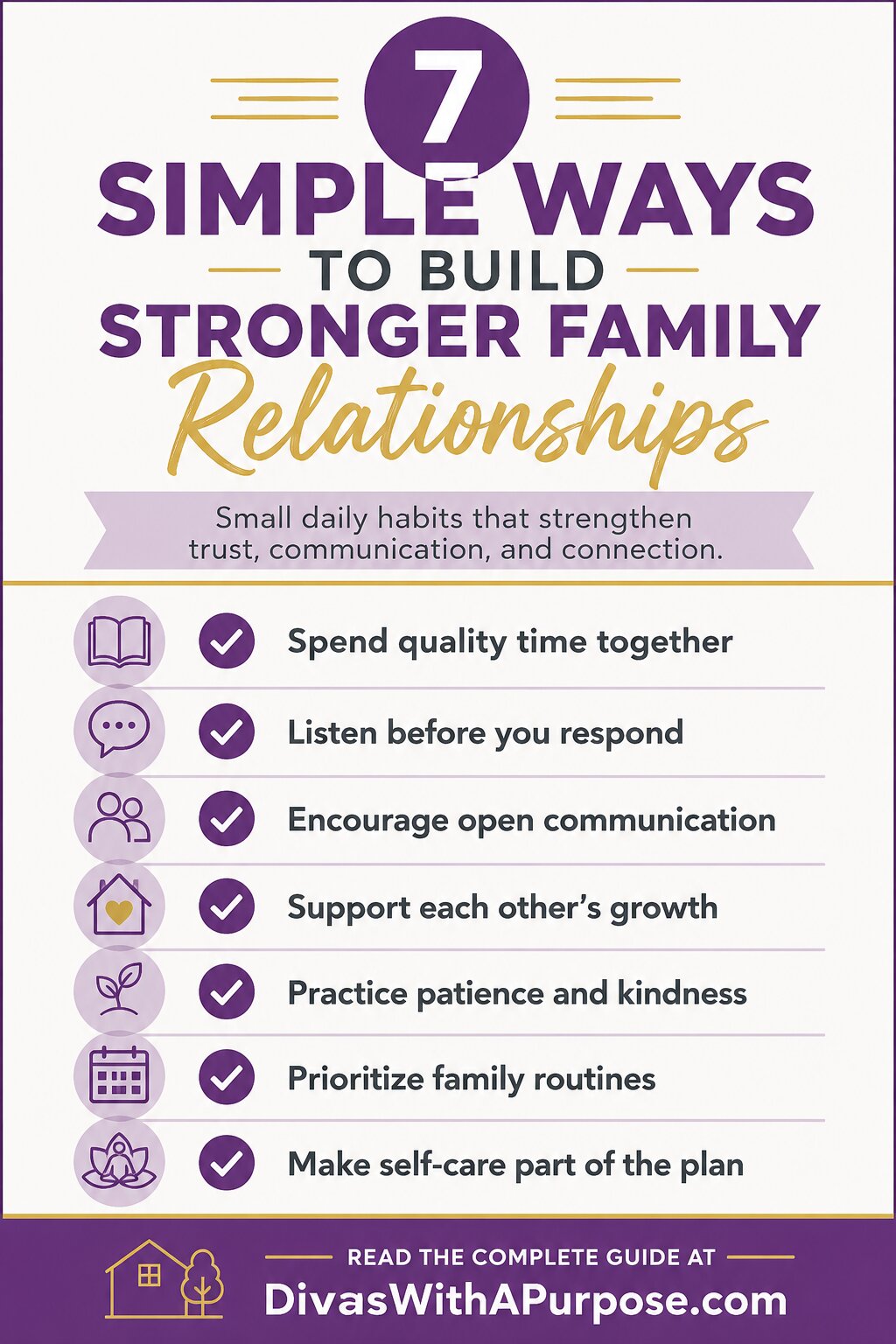
8 Steps to Becoming the Best Parent You Can

There is no such thing as a perfect parent. Every family faces challenges, and every parent experiences moments of uncertainty along the way. What truly matters is a willingness to learn, adapt, and provide a loving, supportive environment where children can grow and thrive.
Becoming the best parent you can is an ongoing journey rather than a destination. Small, consistent efforts often have a greater impact than striving for perfection, and if this is something you want to achieve, you are in the right place.
Step 1: Make Time for Meaningful Conversations
Open communication forms the foundation of a strong parent-child relationship. Taking the time to listen without judgment helps children feel safe sharing both their successes and their worries. Simple daily conversations, whether over dinner, during a walk, or before bedtime, help build trust and encourage children to speak openly as they grow older.
Step 2: Lead by Example
Children learn as much from what they observe as from what they are told. Demonstrating kindness, honesty, patience, and respect in your own behavior provides valuable lessons that children often carry into adulthood. Showing healthy ways to manage stress, apologize when you’ve made a mistake, and treat others with compassion teaches important life skills that extend far beyond childhood.
Step 3: Create a Stable Home Environment
Children benefit from routines that provide consistency and security. Regular meal times, bedtimes, family activities, and household expectations help create an environment where children know what to expect. While flexibility is sometimes necessary, having dependable routines can reduce anxiety and contribute to a greater sense of stability.
Step 4: Encourage Independence
Supporting children does not mean doing everything for them. Allowing them to solve age-appropriate problems, make decisions, and learn from mistakes helps build confidence and resilience. Offering guidance while encouraging independence prepares children to navigate challenges as they grow.

Step 5: Be Aware of Challenges That Can Affect Families
As children become older, they may encounter a range of influences and pressures through school, social circles, and online environments. Maintaining open communication allows parents to recognise concerns early and provide appropriate support when needed.
Educating yourself about issues that may affect young people can also be valuable. For example, Castle Health explains the signs of drug addiction, offering information that can help parents better understand potential warning signs and the importance of seeking professional guidance if concerns arise. Being informed does not mean expecting the worst. It simply allows parents to respond thoughtfully if challenges ever occur.
Step 6: Show Unconditional Support
Children need to know they are loved regardless of their achievements or mistakes. While setting appropriate boundaries and expectations is important, they should also feel confident that they can come to you when they need help. Offering encouragement during difficult times helps children develop confidence and emotional resilience that will benefit them throughout life.

Step 7: Look After Your Own Wellbeing
Parenting can be demanding, and it’s easy to place your own needs at the bottom of the priority list. However, taking care of your physical and mental health allows you to be more patient, present, and emotionally available for your children. Making time for rest, exercise, hobbies, and supportive relationships benefits the entire family.
Step 8: Accept That Mistakes Are Part of Parenting
Every parent has moments they wish they had handled differently. Rather than striving for perfection, focus on learning from those experiences. Apologizing when appropriate, adjusting your approach, and continuing to show love and consistency demonstrate valuable lessons about accountability and personal growth.
Parenting is a lifelong journey, and every positive step you take today contributes to your child’s wellbeing for years to come.