
6 Best Scrap Metal and Recycling Partners Reviewed 2026
Running a commercial fabrication shop or a local contracting business generates a constant stream of heavy material waste. And dealing with industrial leftovers can be a huge logistical headache.
When you finish a major residential plumbing overhaul or tear down a commercial roof, the discarded metal needs a permanent destination. Scrap is heavy and takes up valuable square footage on your property so you need a reliable recycling center to keep your operations moving smoothly. Most business owners simply want a straightforward process. You want to just pull up to the scale, unload the materials and receive a fair market payment without wasting half your morning (time is money after all).
The scrap industry has historically struggled with transparency and communication so finding a facility that offers clear pricing and clean drop off zones makes a significant difference for your bottom line. We have reviewed the top operations that are available and worth coinciding.
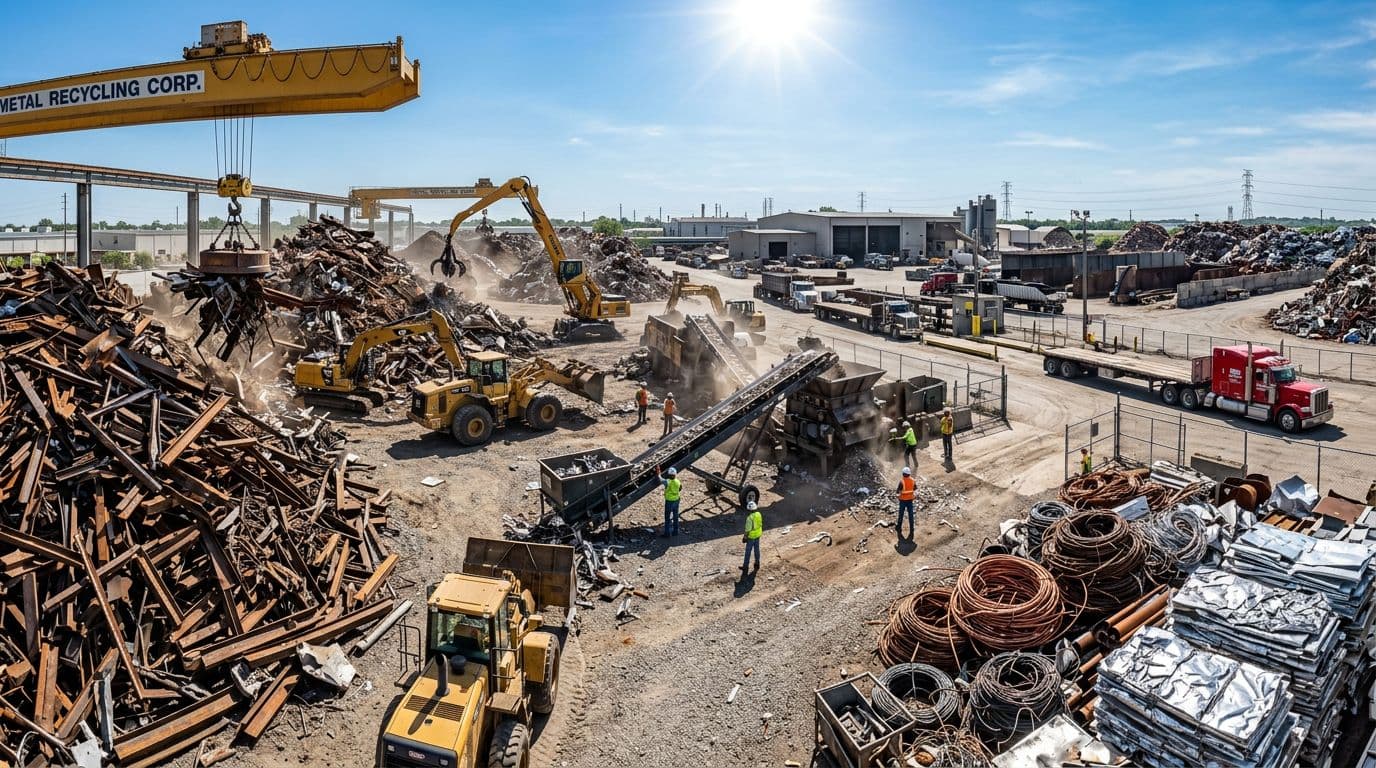
Quick Comparison of the Best Scrap Metal Recycling Partners
| Company | Best For | Key Strength |
|---|---|---|
| PADNOS | Midwest contractors | Transparent pricing and sustainable processing |
| Schnitzer Steel | Auto recyclers and towing companies | Large-scale vehicle and appliance recycling |
| OmniSource | High-volume construction projects | Roll-off bins and freight logistics |
| SA Recycling | Southern contractors | Fast drop-off yards and port access |
| Cohen Recycling | Offices and IT businesses | Secure electronics recycling |
| SIMS Limited | Global corporations | Enterprise-level e-waste management and sustainability reporting |
How to Choose the Right Scrap Metal Recycling Partner
Choosing the right scrap metal recycling partner depends on your business needs, location, and the types of materials you handle. Some facilities specialize in high-volume industrial scrap, while others focus on electronics recycling or local contractor drop-offs. When comparing recycling companies, consider factors like pricing transparency, processing capabilities, pickup or freight options, and how close the yard is to your operations.
1 – PADNOS
Best for: Offering simple and environmentally responsible processing with deep local expertise.
This company operates advanced processing facilities that handle everything from basic mixed aluminum to massive structural steel beams. They take the raw metal waste generated by your business and process it using heavy duty shredders and modern sorting technology. They weigh your materials on highly calibrated scales and provide a clear, itemized breakdown of the current market value. This operation is perfect for Midwest contractors who need a highly transparent and sustainable place to manage their scrap. If you run a local machine shop and want a straightforward transaction without the typical yard runaround, they are an excellent fit. They bring a strong legacy of sustainability to the table which means you can offload your materials knowing they are being processed responsibly.
Pros:
- Very clear and transparent pricing structures so you always know the exact value of your load.
- Advanced processing facilities capable of handling a massive variety of industrial and commercial metals.
- Deep local knowledge and a genuine operational focus on environmental responsibility.
Cons:
- Their primary operational footprint is in the Midwest so coastal businesses cant use them for daily drops.
2 – Schnitzer Steel
Best for: National scale processing of old vehicles and heavy structural scrap.
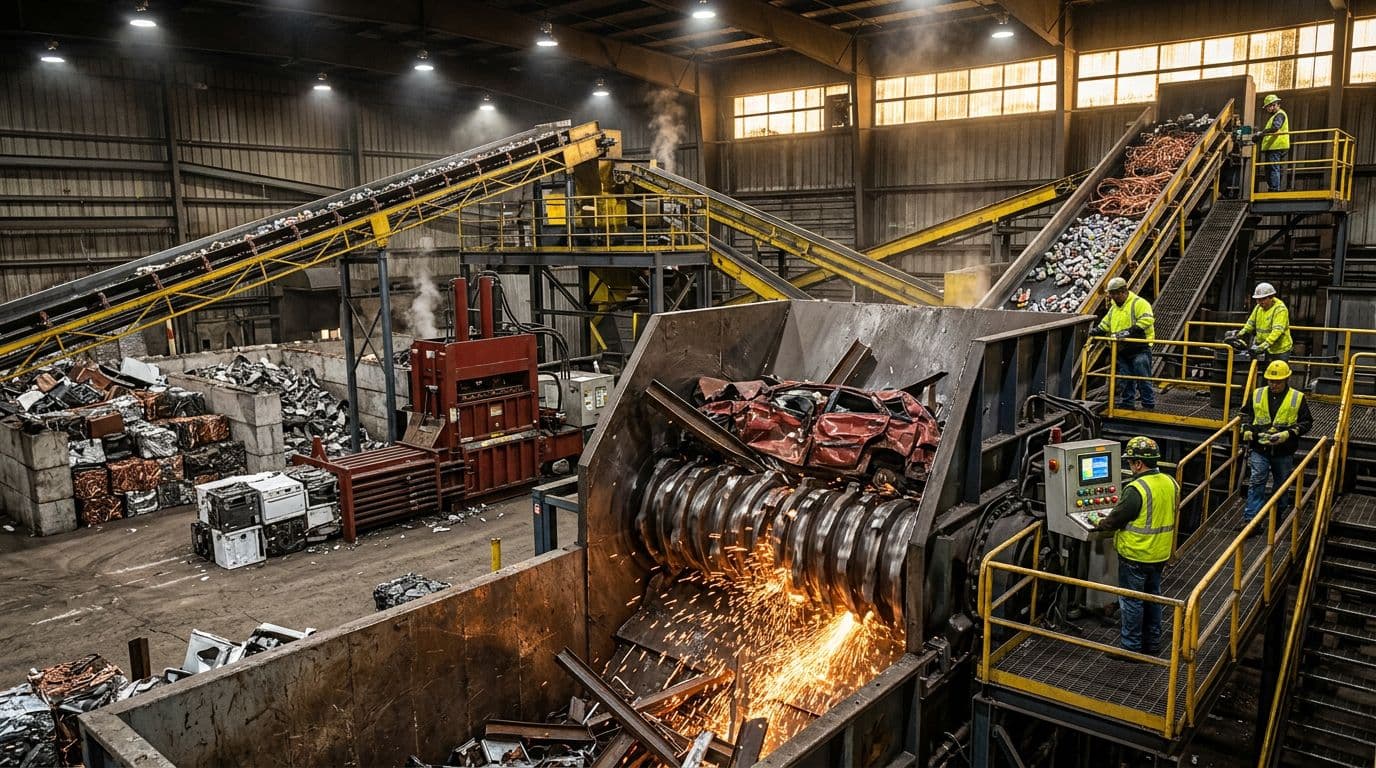
This company buys up old cars, major household appliances, and heavy industrial machinery to shred them into raw export materials. They operate massive facilities near major ports and railway hubs. They literally crush old vehicles into dense metal cubes and then ship them overseas for global manufacturing. They’re a solid option for auto body shops or regional towing companies that constantly accumulate broken down cars on their lots. Because they have a huge national footprint, finding a drop off location is generally quite easy for most businesses.
Pros:
- A massive national presence makes them highly accessible for heavy industrial drop offs.
- Extremely efficient at processing whole vehicles and large commercial appliances quickly.
- An established corporate infrastructure means payments are highly reliable and standardized.
Cons:
- The massive corporate structure means local yards dont always provide personalized customer service.
3 – OmniSource
Best for: High volume commercial operations requiring reliable freight and dumpster logistics.
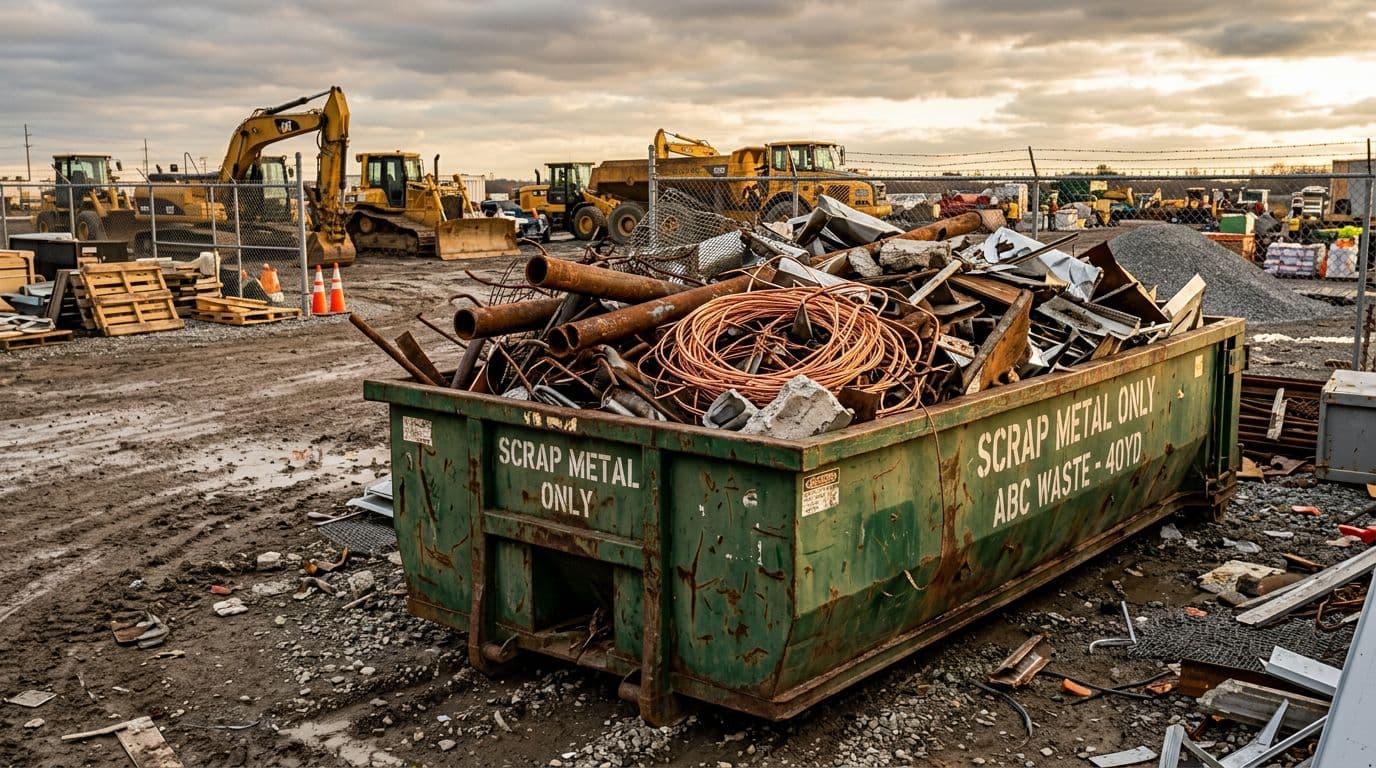
OmniSource provide large steel roll off bins directly to your commercial job sites. You fill the dumpsters with metal waste over the course of a project and then they handle the heavy freight transportation. They trade millions of tons of scrap annually and manage the entire logistical chain from your site to their processing centers. This setup works well for local demolition crews or large scale builders who generate tons of twisted rebar and copper piping every single week. If your business doesnt own a fleet of heavy dump trucks to haul the metal yourself, they step in and handle the transportation.
Pros:
- They accept and process a very wide variety of both ferrous and nonferrous materials.
Cons:
- Setting up a new commercial account for an occasional low volume pickup is often more trouble than it is worth.
4 – SA Recycling
Best for: Sun Belt and coastal businesses needing fast yard offloading and deep port access
SA Recycling run a dense network of scrap yards concentrated heavily in the southern United States and along the coasts. They buy loose tin, crushed cars, and old machinery, loading the processed materials directly onto massive cargo ships for international trade. Where it fits best for small practices: They are highly useful for plumbing or HVAC contractors working in places like Texas or California. If you need a local yard to quickly dump twenty old commercial air conditioning units, their facilities are built for rapid offloading. Many independent contractors prefer a fast drop off over fighting for an extra fraction of a cent per pound.
Pros:
- Tons of convenient drop off locations if your business operates in their primary southern regions.
- Very fast unloading processes in the yard so your work trucks arent idling in long lines.
- Consistently strong market prices for heavy iron and thick steel waste.
Cons:
- Their geographic coverage drops off once you move further north into the country.
5 – Cohen Recycling
Best for: Safely processing outdated office electronics alongside standard metal waste.
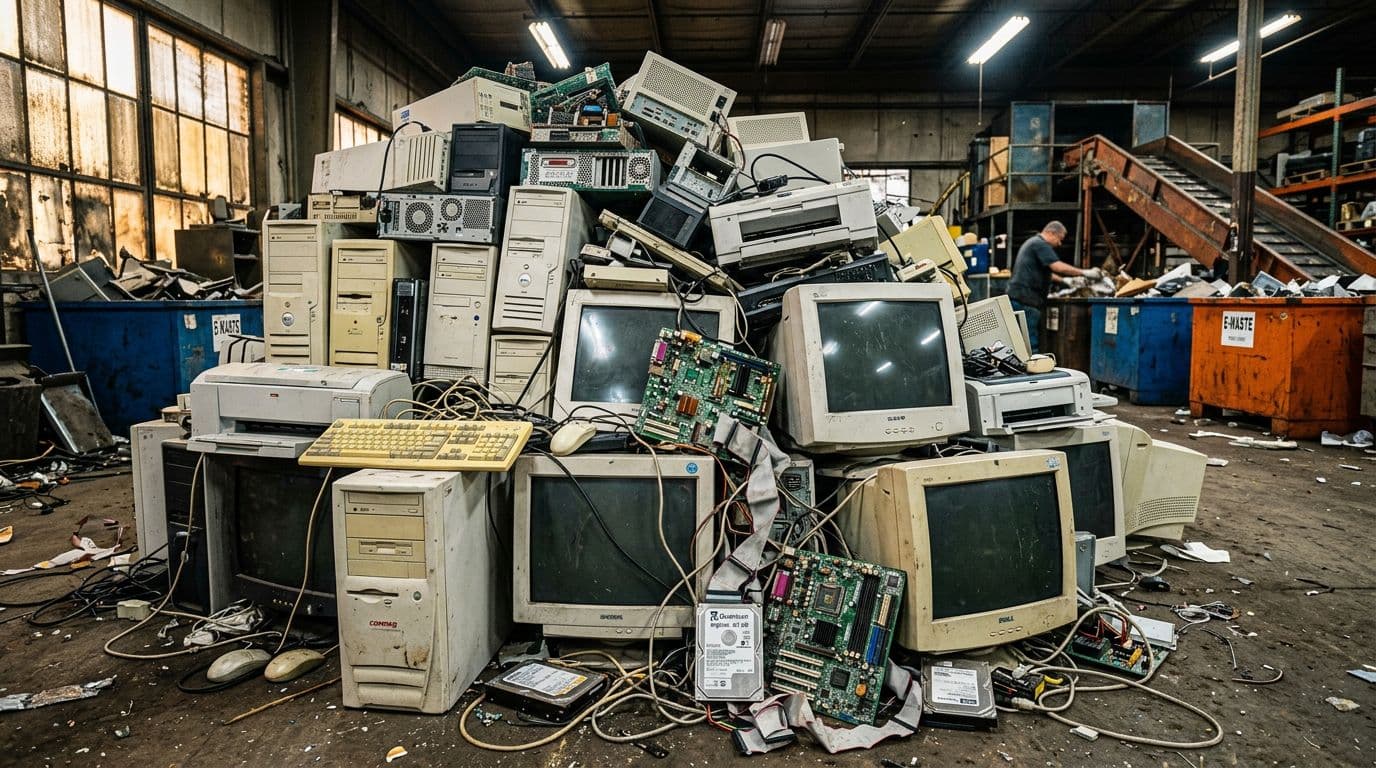
Cohen Recycling buy standard copper wire and brass fittings while maintaining a specific focus on safely recycling old computers and office electronics. They securely wipe data from old hard drives and break down circuit boards to ensure toxic heavy metals dont leak into the local environment. This is an ideal partner for IT service companies or real estate offices that are upgrading their hardware. If you have lots of things like old desktop computers sitting in a storage closet, they provide a secure and environmentally safe way to dispose of them.
Pros:
- A very beginner friendly process that makes dropping off materials simple for non industrial businesses.
Cons:
- They lack the massive industrial footprint required for processing things like train cars or heavy infrastructure steel.
- Their physical drop off locations are mostly concentrated around the Ohio valley region.
6 – SIMS Limited
Best for: Global enterprise e-waste management and detailed corporate sustainability reporting
This multinational corporation handles metal and electronics recycling on a global scale. They process millions of tons of material annually and provide highly detailed digital reports outlining exactly how much carbon your business saved by choosing to recycle with them. This option honestly doesnt fit a small local shop very well. It is specifically designed for large vendors trying to meet very strict corporate green energy standards or businesses that require certified destruction of proprietary electronic prototypes.
Pros:
- World class corporate reporting on sustainability metrics and carbon offset data.
- Highly capable of handling complex and proprietary electronic waste safely and legally.
Cons:
- The process is entirely too bureaucratic for a local residential plumber who just wants cash for some scrap copper.
- Their basic pricing structure for small local drop offs isnt always competitive with regional independent yards.
What to Look for in a Scrap Metal Recycling Partner
When choosing between scrap metal recycling companies, there are a few important factors to consider:
- Location and accessibility to avoid long transportation times
- Transparent pricing so you know the true value of your materials
- Material acceptance policies for different types of metals
- Pickup or freight services if your business produces large volumes
- Environmental compliance and sustainability practices
Selecting the right recycling partner can help your business reduce waste, recover value from scrap materials, and keep job sites running efficiently.
Choosing the Best Scrap Metal Recycling Partner for Your Business
Every recycling partner listed above serves a slightly different type of business. Contractors and fabrication shops often benefit from regional yards that offer quick drop-offs and transparent pricing. Larger commercial operations may prefer companies that provide freight logistics or detailed sustainability reporting. By choosing a recycling partner that fits your business size, location, and material volume, you can turn scrap waste into a reliable secondary revenue stream while keeping your workspace organized.