
Baby Budget Tips: How New Parents Can Save on Essentials
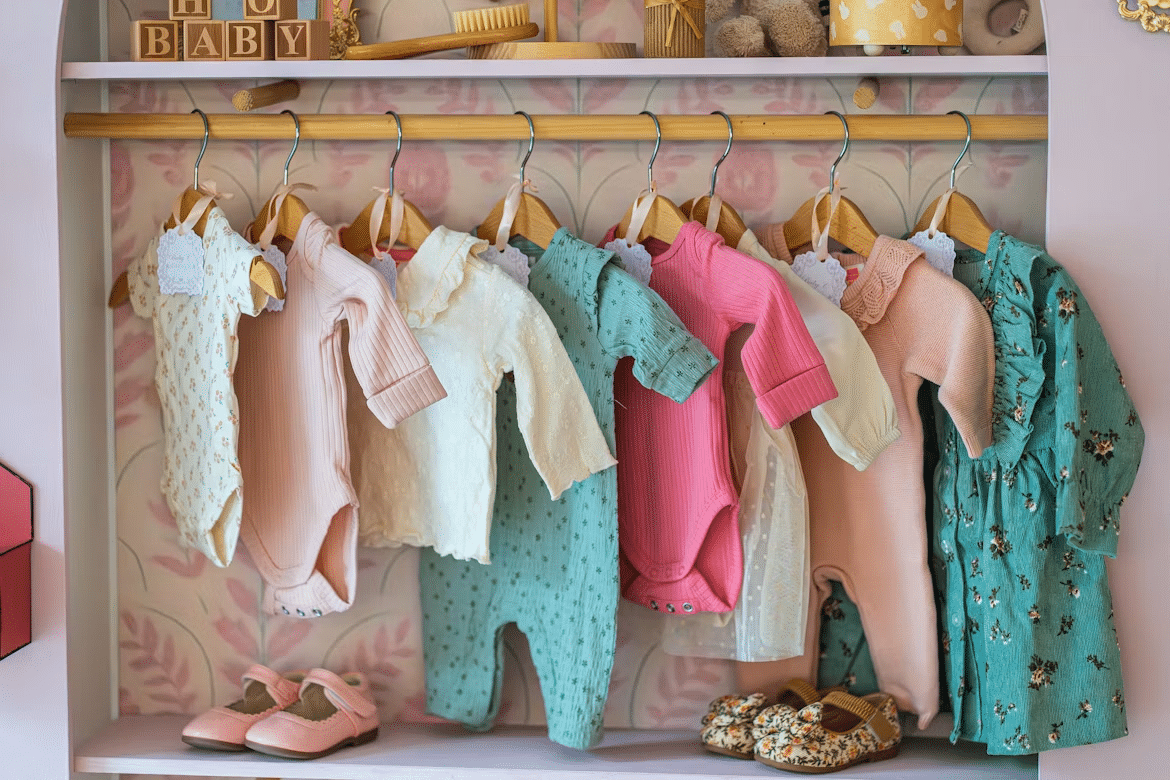
Welcoming a new baby into your family is one of life’s most profound joys, but it also brings new financial responsibilities. The excitement of preparing for your little one can quickly lead to overspending if you’re not careful. Learning to tell the difference between what you truly need and what you simply want is the first step toward a financially sound start for your growing family. With a thoughtful approach, you can provide everything your baby needs without breaking the bank.
Budgeting for Baby’s First Year
Creating a budget is the foundation of smart spending. Before your baby arrives, sit down and map out your anticipated expenses. Many new parents are surprised by the first-year baby costs, which go far beyond just a crib and a car seat. You’ll need to account for ongoing costs like diapers, wipes, and formula or breastfeeding supplies. There are also one-time purchases such as a stroller, high chair, and nursery furniture.
Start by tracking your current household income and expenses to see where your money is going. From there, you can begin building a budget for baby that sets aside money for these new categories. Don’t forget to include a little extra for unexpected costs, like doctor visits or replacing something that didn’t work out. This financial roadmap will help you feel more in control and prepared for the year ahead.
Prioritizing Essential Purchases
As you browse online stores and walk through baby aisles, it’s easy to get caught up in the latest gadgets and adorable outfits. The key is to focus on what your baby truly needs for safety and comfort during the first few months. A safe place to sleep, a reliable car seat, diapers, and feeding supplies should be at the top of your list.
Many parents find it helpful to create a minimalist registry focused on these core needs. Think about items that serve multiple purposes or will grow with your child. Focusing on practical and necessary items helps you make sure your budget covers the most important things first. Once you have a handle on the true newborn essentials, you can then consider adding “nice-to-have” items if your budget allows. This approach prevents impulse buys and directs your spending toward what matters most.
Finding Value in Quality Clothing
Baby clothes are an area where it’s tempting to buy a lot, especially since infants grow so quickly. However, focusing on quality over quantity can be a more sustainable and economical strategy. Cheaper garments might not hold up to frequent washing and can quickly lose their shape or softness. Investing in well-made pieces from durable, comfortable fabrics often provides better long-term value.
Consider the “cost per wear.” A high-quality sleeper that lasts through dozens of washes and can be passed down is a smarter purchase than several cheaper ones that fall apart after a few uses. Look for soft, breathable materials that are gentle on your baby’s sensitive skin. A small collection of versatile, high-quality basics is often more practical than a closet full of trendy but disposable outfits.
Secondhand vs. New: What to Consider
Embracing secondhand items is one of the best ways to save money on baby gear. Babies outgrow clothes, toys, and equipment so quickly that you can often find these items in excellent, like-new condition. Gently used clothing, bouncers, play mats, and books are all great candidates for secondhand shopping. Check out local parenting groups, consignment shops, and online marketplaces.
However, some items should always be purchased new for safety reasons. Car seats, for example, have expiration dates, and their safety can be compromised if they’ve been in an accident, even a minor one. Crib mattresses should also be bought new to ensure they are firm, fit the crib properly, and are free from bacteria. Always prioritize your child’s safety when deciding between new and used.
Long-Term Savings Strategies
Thinking ahead can lead to significant savings over time. When purchasing big-ticket items, look for convertible products that grow with your child. A crib that transforms into a toddler bed or a high chair that converts into a booster seat offers years of use from a single purchase.
Choosing gender-neutral colors and styles for major items like strollers, car seats, and furniture is another smart move, especially if you plan on having more children. These items can easily be passed down, saving you from having to buy them all over again. Finally, consider opening a dedicated savings account for your child early on. Even small, regular contributions can grow into a substantial fund for their future education or other major life expenses.
Smart spending on baby items isn’t about deprivation; it’s about making intentional choices that align with your family’s values and financial goals, which can bring focus to family budgeting. Focusing on what you truly need helps you create a loving and secure environment for your new baby without unnecessary financial stress.