
Building Confidence and Agility: Active Youth Programs for Energetic Kids
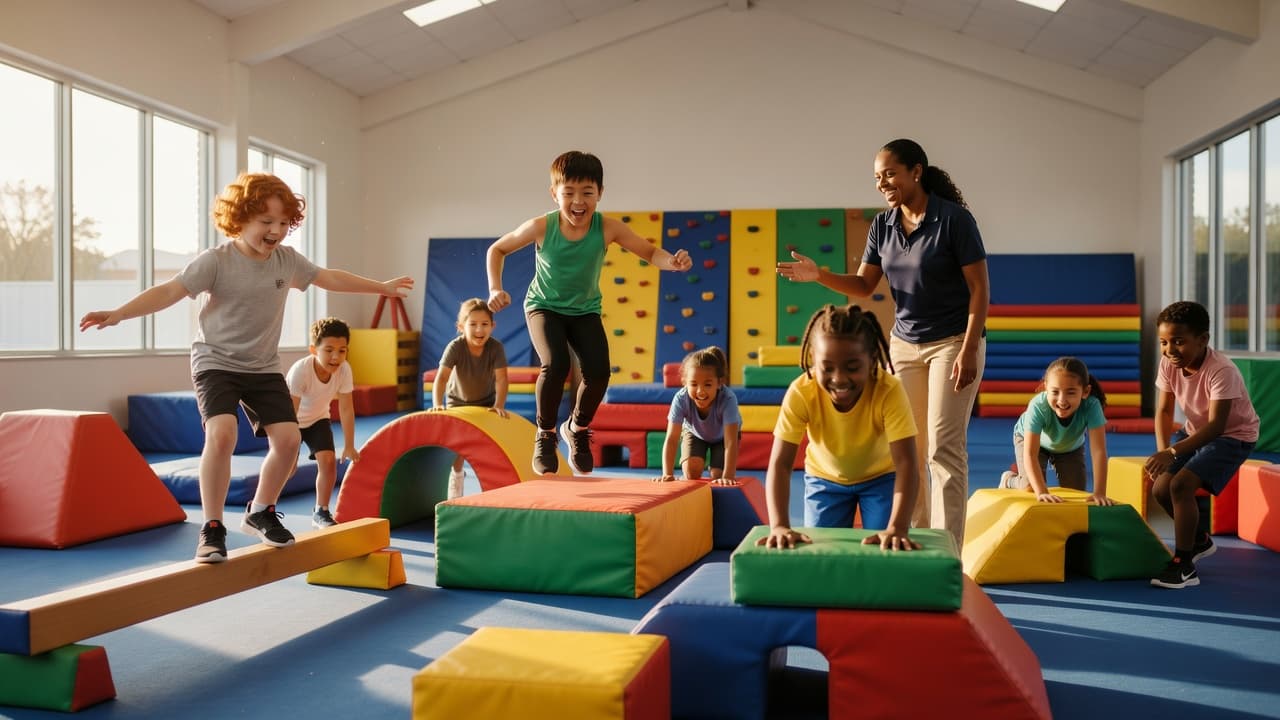
If you have an energetic child, you know the scene well: cushions become mountains, the hallway is a racetrack, and every piece of furniture is a potential launchpad. While that boundless energy can be a lot to manage, it’s also a powerful force waiting to be channeled.
Finding the right active program can transform that raw enthusiasm into confidence, agility, and focus, giving your child tools they’ll use for the rest of their lives. Beyond the physical benefits, regular engagement in sports and activities also significantly contributes to a child’s mental well-being and emotional regulation, fostering resilience and positive behavior.
These programs are about more than just burning off steam. They provide a structured environment where kids can safely test their limits, learn new skills, and discover what their bodies are capable of. For a child who is always moving, finding an outlet that celebrates their energy instead of trying to contain it can be a truly empowering experience.
Why Channeling a Child’s Energy is So Important
Structured physical activity offers incredible benefits that go far beyond physical health. When children engage in regular, challenging movement, they also develop crucial life skills. Learning a new sequence or mastering a specific technique helps improve their focus and attention span. This can have a positive ripple effect on their schoolwork and ability to concentrate on other tasks.
These activities also provide a healthy outlet for emotions. Physical exertion is a fantastic way for kids to constructively process frustration, excitement, and stress. The developmental benefits of physical activity are well documented, with improvements ranging from mood regulation to social skills. Instead of bouncing off the walls at home, they learn to pour that energy into a skill, receiving guidance and positive reinforcement along the way. This process teaches them self-control and resilience as they learn that practice and effort lead to real, tangible results.
Beyond Traditional Sports: Exploring New Kinds of Active Fun
For many kids, traditional team sports like soccer or basketball are a great fit. But what about the child who prefers to climb, tumble, and conquer obstacles? The world of youth activities has expanded far beyond the classic choices, offering exciting hybrid programs that cater to a wide range of interests and skills. These modern programs often blend elements from different disciplines to create a unique and engaging experience.
You might find programs that combine gymnastics with obstacle course training or martial arts with freestyle movement. These activities appeal to a child’s natural desire for adventure and challenge. For example, many parents are discovering that specialized programs like NinjaZone classes offer a dynamic mix of gymnastics, martial arts, and parkour-inspired challenges. This type of activity is perfect for kids who thrive on variety and constant motion. They get the strength and flexibility training of gymnastics, the discipline of martial arts, and the creative problem-solving of navigating an obstacle course, all in one high-energy class. Exploring these alternatives can open up a new world of fun for a child who hasn’t found their passion on the soccer field or basketball court.
The Confidence Connection: How Movement Builds Self-Esteem
One of the most profound benefits of an active program is the boost it gives to a child’s confidence. Every time a child masters a new skill, whether it’s landing a cartwheel, climbing a rope, or completing a difficult obstacle, they are building a foundation of self-belief. These small victories accumulate over time, teaching them that they can achieve difficult things through persistence and hard work.
This newfound confidence isn’t confined to the gym or studio. A child who feels physically capable and strong is more likely to carry themselves with confidence in the classroom and in social situations. They become more willing to try new things and less afraid of failure because they’ve learned that mistakes are just part of the learning process. Actively building children’s self-esteem through physical accomplishment gives them a powerful internal resource. They learn to trust their bodies and their abilities, which translates into a belief that they can handle other challenges that come their way, academic or social.
Developing Agility for Body and Mind
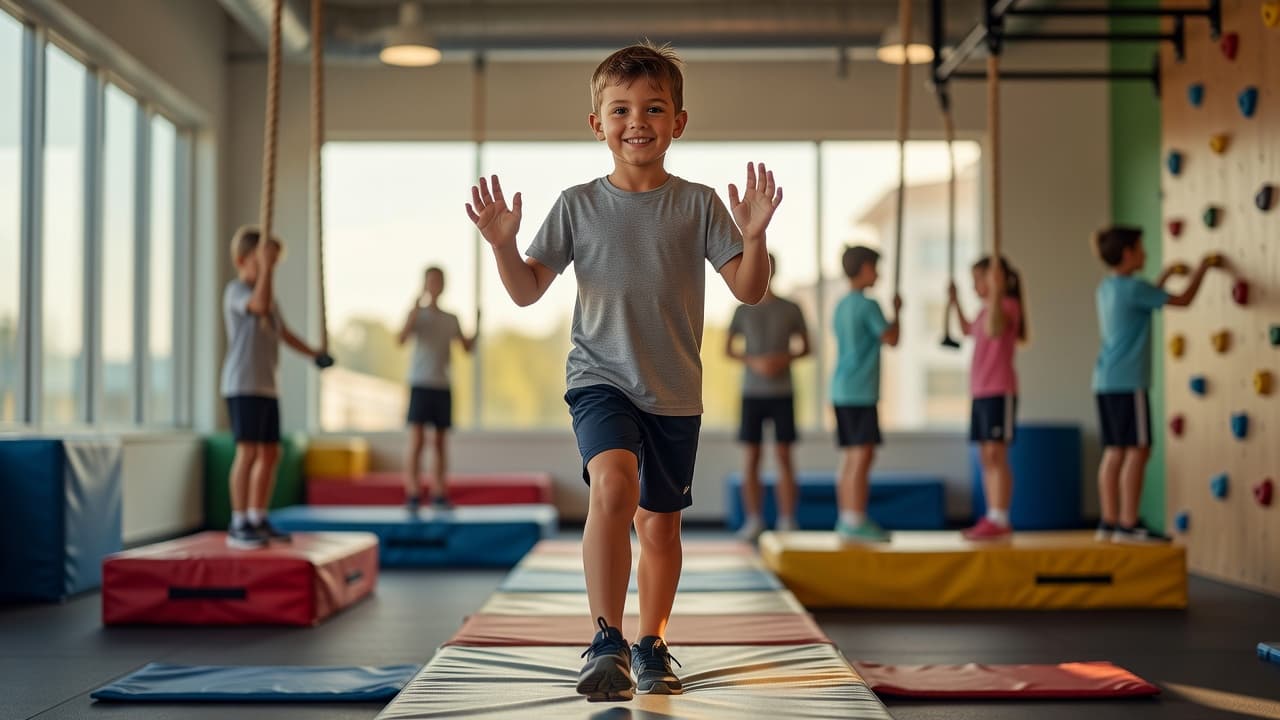
Agility is often thought of as a purely physical trait: the ability to move quickly and change direction with ease. While active programs certainly develop physical agility, they also cultivate mental agility. Navigating an obstacle course, for instance, requires more than just speed and strength. It demands quick thinking, problem-solving, and adaptability. A child has to assess the obstacle, plan their approach, and adjust their strategy on the fly if their first attempt doesn’t work.
This process is an excellent workout for the brain. It strengthens neural pathways and improves executive functions like planning and impulse control. The cognitive benefits of exercise for kids include better memory, focus, and creative thinking. When a child learns to see a physical challenge as a puzzle to be solved, they are developing a mindset that will serve them well in all areas of life. They learn to think on their feet, stay calm under pressure, and approach problems from different angles, skills that are invaluable both in and out of the classroom.
Finding the Right Fit for Your Child’s Personality
With so many options available, how do you choose the right program for your child? The key is to match the activity to your child’s unique personality and interests. Start by talking to your child about what sounds fun to them. Do they love to climb and jump, or are they more interested in dance and graceful movements? Showing them videos of different activities can help them get a better sense of what each one involves.
Once you have a few ideas, do some research on local studios or gyms. Look for programs with experienced, enthusiastic instructors who are good with children. Many places offer a trial class, which is an excellent way for you and your child to get a feel for the environment. Observe how the instructor interacts with the students and whether the kids in the class seem happy and engaged. Choosing the right extracurricular activities is less about finding the “best” one and more about finding the best one for your child. The goal is to find a place where they feel supported, challenged, and excited to go each week.
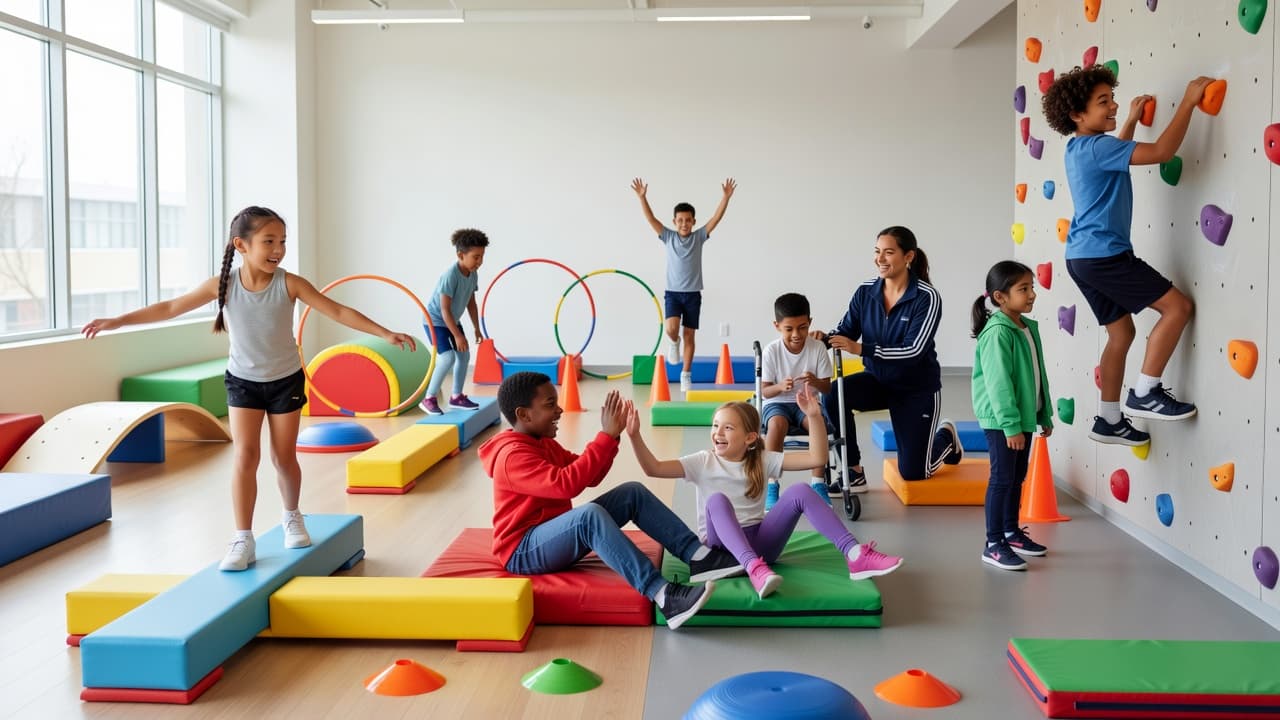
Finding a positive outlet for your child’s energy is an investment in their overall well-being. By choosing an activity that builds both physical skills and inner confidence, you are giving them a gift that will help them grow into capable, resilient, and self-assured individuals.