How Breast Enhancement Has Evolved Beyond a One-Size-Fits-All Approach

Twenty years ago, a breast augmentation consultation often ran on one number. A patient named a cup size, a surgeon reached for a familiar implant, and the plan was essentially finished. Results were often fine, sometimes not, and the misses tended to come from the same place: a body that did not suit the device chosen for it.
That approach has quietly collapsed. Planning now starts with a tape measure, a conversation about how you live, and a frank look at what your own tissue can carry. The shift mirrors a wider change in aesthetic medicine, where women increasingly treat these decisions as a form of self-directed care rather than a transformation handed to them.
What follows is a look at how that planning actually works now, and why two women asking for the same thing will usually leave with different plans. The details are more interesting than the brochures suggest.
From Cup Sizes to Measurements
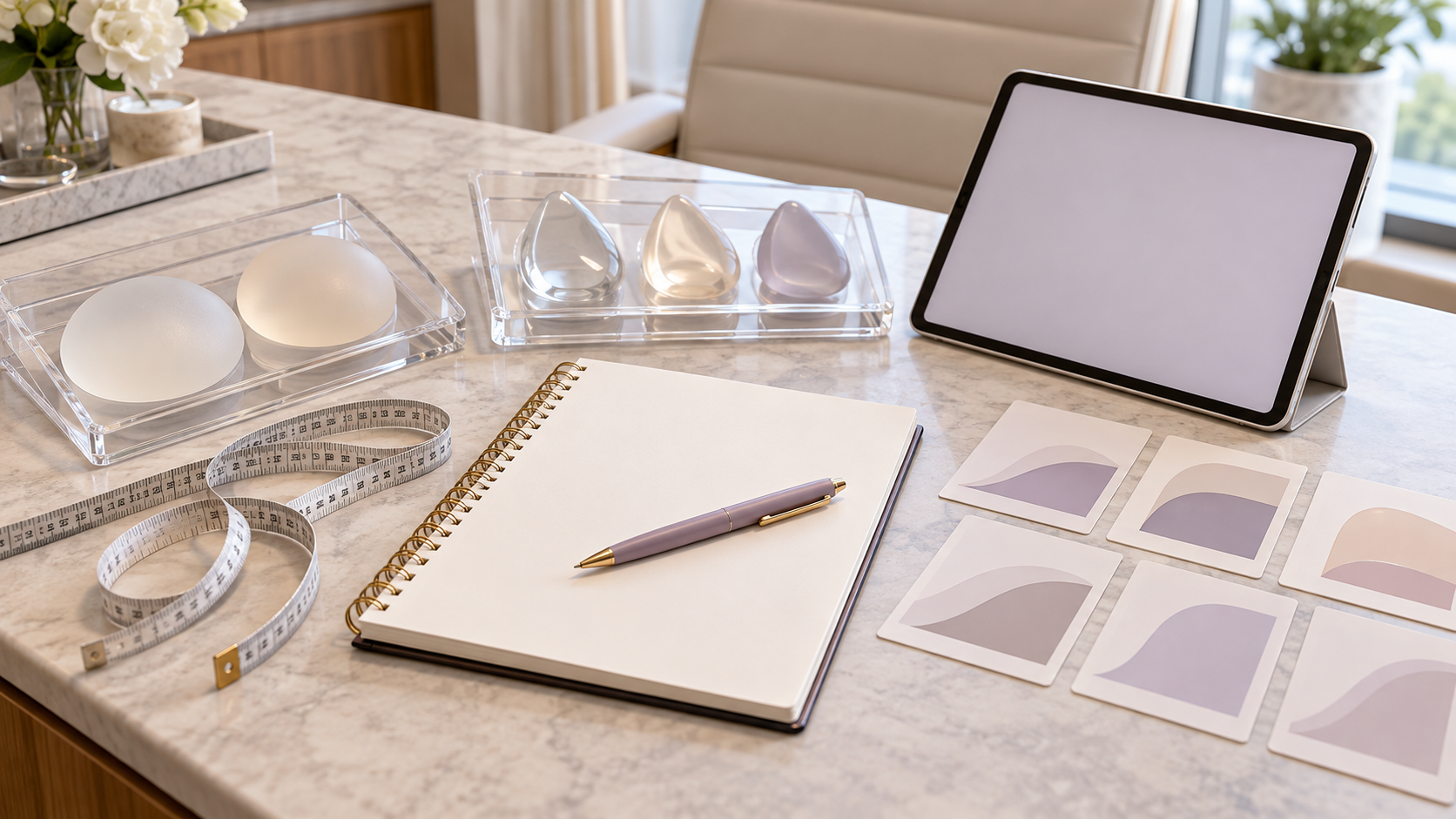
Cup size is a terrible unit of measurement, because it describes a garment rather than a body, and it varies wildly between brands. Modern planning replaces it with numbers taken off your chest: base width, skin stretch, nipple position, the distance from collarbone to nipple, the amount of tissue already there. Those measurements set a range, and the range is usually narrower than people expect. A trade report on the research found that the highest-quality studies all measured breast dimensions first before selecting implant dimensions, which the authors argued should now count as standard practice. It sounds obvious written down; it was not standard for a long time.
The Shape of the Body Underneath
Two patients with identical measurements can still need different plans, because the frame underneath differs. Rib cages curve differently, shoulders sit at different widths, and chest walls are rarely symmetrical. One breast is almost always slightly larger, and if nobody mentions that before surgery, it tends to get noticed afterward. Good surgeons now plan for asymmetry openly, sometimes using two slightly different implants, and they explain why the result will be balanced rather than identical. Skin quality gets the same treatment, since thin tissue limits how much weight it can hold without stretching over the years. Imaging and simple templates now let patients see those limits during the first appointment, which saves a lot of argument later.

Devices Have Become a Menu, Not a Default
The hardware side has widened too. Silicone and saline, round and anatomical, smooth and textured, low profile through to high projection, each with different behavior under thin or generous tissue. Placement is a separate decision, above or below the muscle or partly both, and it changes recovery, movement, and how the result reads in a gym mirror. Fat transfer has carved out a real niche for women who want a modest increase and have donor fat to spare, while implants remain the predictable route to a larger change. A consultation about Six Surgery breast augmentation or any thorough practice should walk through those options and then rule most of them out for you, which is the useful part.
Lifestyle Earns a Place in the Plan
The questions that feel irrelevant in a consultation usually are not. Whether you lift heavy, run long distances, swim competitively, carry toddlers, sleep on your front, or wear a uniform that fits a certain way all feed into implant choice and placement. Plans for future pregnancy matter, because breastfeeding and the weight changes around it will reshape the result. Aesthetic taste has moved as well, toward athletic, proportionate silhouettes rather than maximum volume, which has pushed surgeons to ask what you want to look like in clothes and in sportswear, not only undressed. Recovery planning follows the same logic, since a nurse on twelve-hour shifts and a teacher with a summer break do not need the same calendar. None of that is small talk.

Planning for the Decade, Not the Reveal
The biggest change is how far ahead the conversation now reaches. Implants are not lifetime devices, so a modern plan includes what happens in ten or fifteen years, what monitoring looks like, and how a future revision would work. Capsular contracture, rippling, position changes, and the small risk of device-related illness all belong in that discussion rather than in a leaflet handed over at the door. The review covered in a plastic surgery trade publication made a related point about method: selection systems built on measurement produced better-documented outcomes than those built on preference. Predictability, it turns out, is what personalization buys you.
Where Personalization Actually Shows Up
You will not see most of this work. It shows up as a consultation that takes longer than you expected, a surgeon who narrows your options instead of expanding them, and a plan written in millimeters rather than cup sizes. It also shows up as a few honest refusals, when the size you had in mind does not fit the body you have.
That is the part worth looking for when you compare clinics. Anyone can offer the same implants; far fewer will spend an hour explaining why your measurements point to a different one, or tell you that fat transfer suits your goal better than a device would.
Breast enhancement stopped being a catalog order somewhere in the last decade, and the women who get the best results are usually the ones who leaned into that. Bring your own measurements of success, in other words, and let the plan be built around them.