
Boost Your Focus and Well-being with Better Hearing

Hearing clearly can affect how focused, connected and energized you feel throughout the day. When sounds become harder to follow, your brain may work overtime to fill in missing words and separate voices from background noise. That extra effort can leave you tired after meetings, family dinners or routine errands.
Hearing changes often happen gradually, so their effects are easy to blame on stress or a busy schedule. Recognizing the signs gives you a chance to protect your energy and stay involved in the moments that matter.
The silent drain on your energy
Straining to hear uses mental resources that would otherwise support memory, attention and quick thinking. This listening fatigue may appear as irritability, headaches or an urge to withdraw after a conversation. You might also lose track of details because so much attention goes toward identifying individual words.
Notice when your energy drops. If group conversations, phone calls or television leave you unusually drained, hearing effort may be part of the problem. Reduce background sound when possible, face the person speaking and schedule demanding conversations for times when you feel alert. You can also explore these natural ways to boost energy alongside addressing possible hearing concerns.
Hear more, stress less
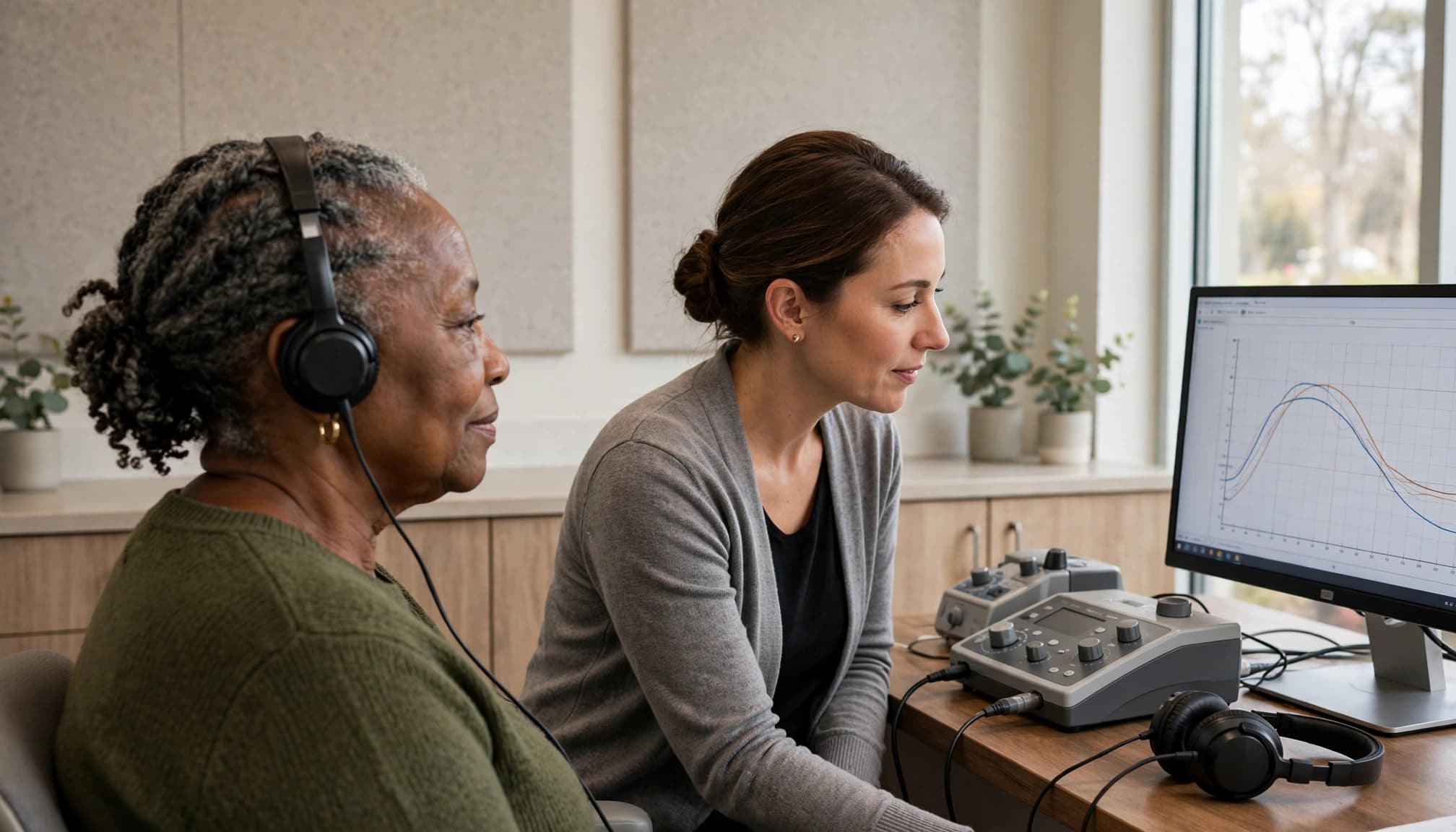
A professional hearing evaluation can identify the sounds you’re missing and show whether support may help. The National Institute on Deafness and Other Communication Disorders explains common signs of hearing loss, including trouble following speech in noisy places and frequently asking people to repeat themselves.
If a specialist recommends hearing devices, compare sound-processing features, comfort, warranties and trial policies. Options such as Phonak Audeo EON Sphere hearing aids offer AI-powered sound clarity at different price points, along with a risk-free trial, price match guarantee and warranty coverage. A trial period gives you time to assess performance during errands, conversations and work tasks.
Reconnecting with conversations
Clearer hearing can make social time feel less demanding. Instead of guessing at a punchline or watching other people’s reactions for clues, you can follow the conversation itself. That change may help you participate more confidently and remember more of what was said.
Simple communication habits still matter. Choose a well-lit seat where you can see people’s faces and move away from humming appliances or loud speakers. Tell friends and family what helps, such as speaking clearly at a natural pace. During a busy restaurant meal, sitting with your back toward the main source of noise may make nearby voices easier to understand. These small adjustments support everyone, including people without diagnosed hearing loss.
Tools for a clearer auditory world
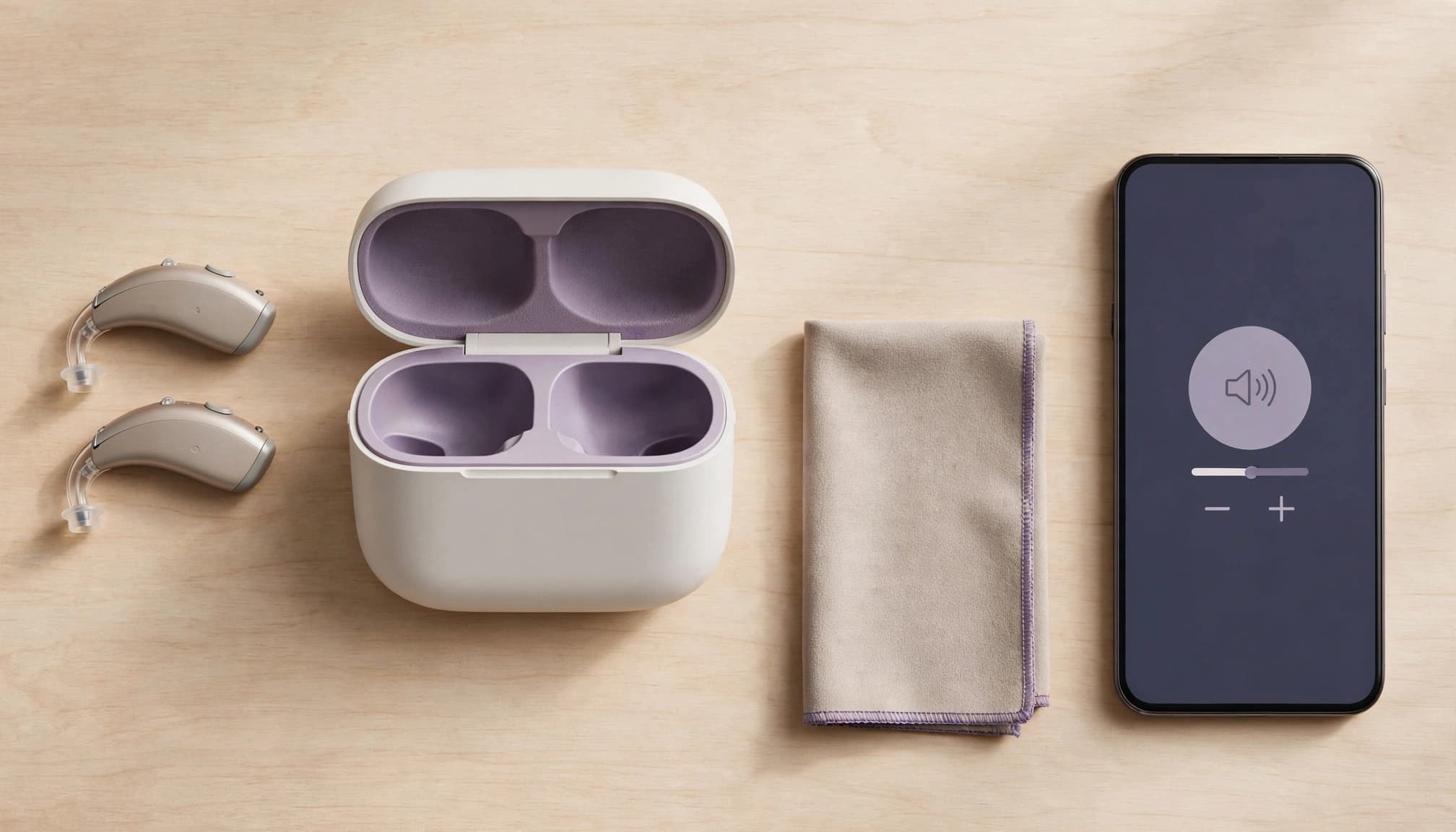
Modern hearing support extends beyond the device itself. Smartphone controls may let you adjust volume or listening programs discreetly, while compatible accessories can send sound from a television or phone directly to your ears. Captions also help during video calls, online classes and streaming programs.
Build a simple maintenance routine so your equipment continues working as expected. Check batteries or charging levels each morning and keep devices dry. Clean them according to the manufacturer’s directions, since wax and debris can block sound. If speech suddenly seems muffled, inspect the device before increasing the volume. Persistent problems deserve professional attention because fit, settings and hearing needs can change over time.
Embrace a fuller, richer life
Better hearing supports the everyday experiences that create connection, from catching a child’s quiet comment to contributing during a team discussion. It may also make walks, exercise classes and community events more enjoyable because you can follow instructions and remain aware of surrounding sounds.
Give yourself time to adjust if you begin using hearing support. Familiar sounds may seem unusually noticeable at first, and your brain needs practice interpreting them again. Wear devices according to your hearing professional’s guidance and keep brief notes about difficult settings.
Specific observations such as “voices become unclear in the café after noon” are more useful during follow-up appointments than a general report that something feels off. The goal is a comfortable listening experience that helps you stay present without ending the day mentally exhausted.