How to Make Everyday Outfits Look More Fashion-Forward
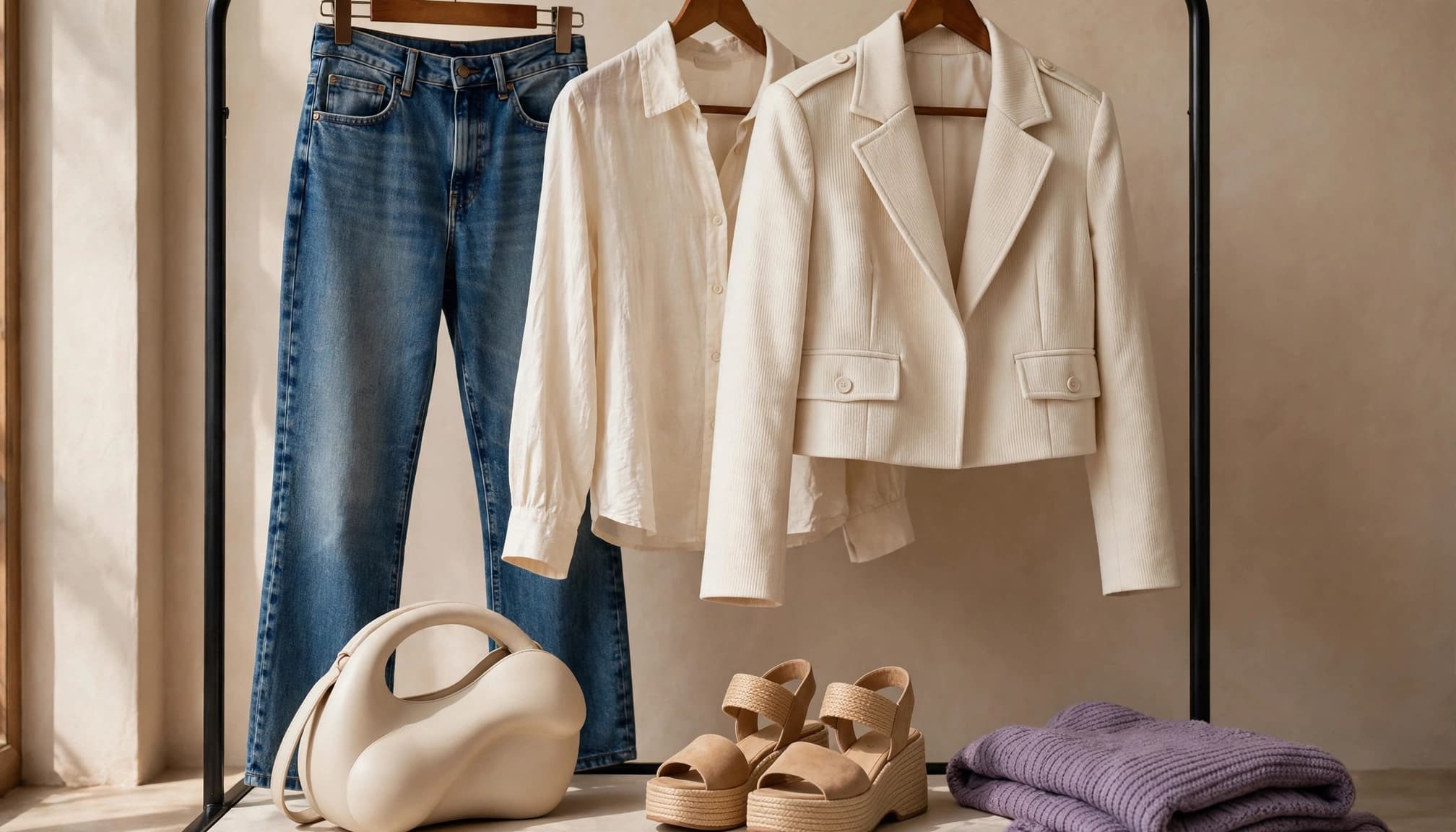
A fashion-forward outfit often starts with clothes you already own. Small changes in proportion, color, and styling can make a familiar jeans-and-tee combination feel current without requiring a closet overhaul. The key is to create a clear focal point, then keep the rest of the look intentional. These practical ideas can help you refresh everyday outfits while staying comfortable and true to your personal style.
Start With a Strong Foundation
Build your outfit around reliable basics that fit well and work together. Straight-leg jeans, solid T-shirts, button-down shirts, and simple dresses create a useful base for more expressive pieces. Understanding personal style fundamentals can make it easier to identify the colors, shapes, and details you naturally enjoy wearing.
Fit deserves special attention. A T-shirt that skims the body and ends near the hip will usually look more polished than one that bunches around the waist. If an item is almost right, a simple alteration to the hem or sleeve can give it a custom feel.
Let Your Shoes Lead the Look
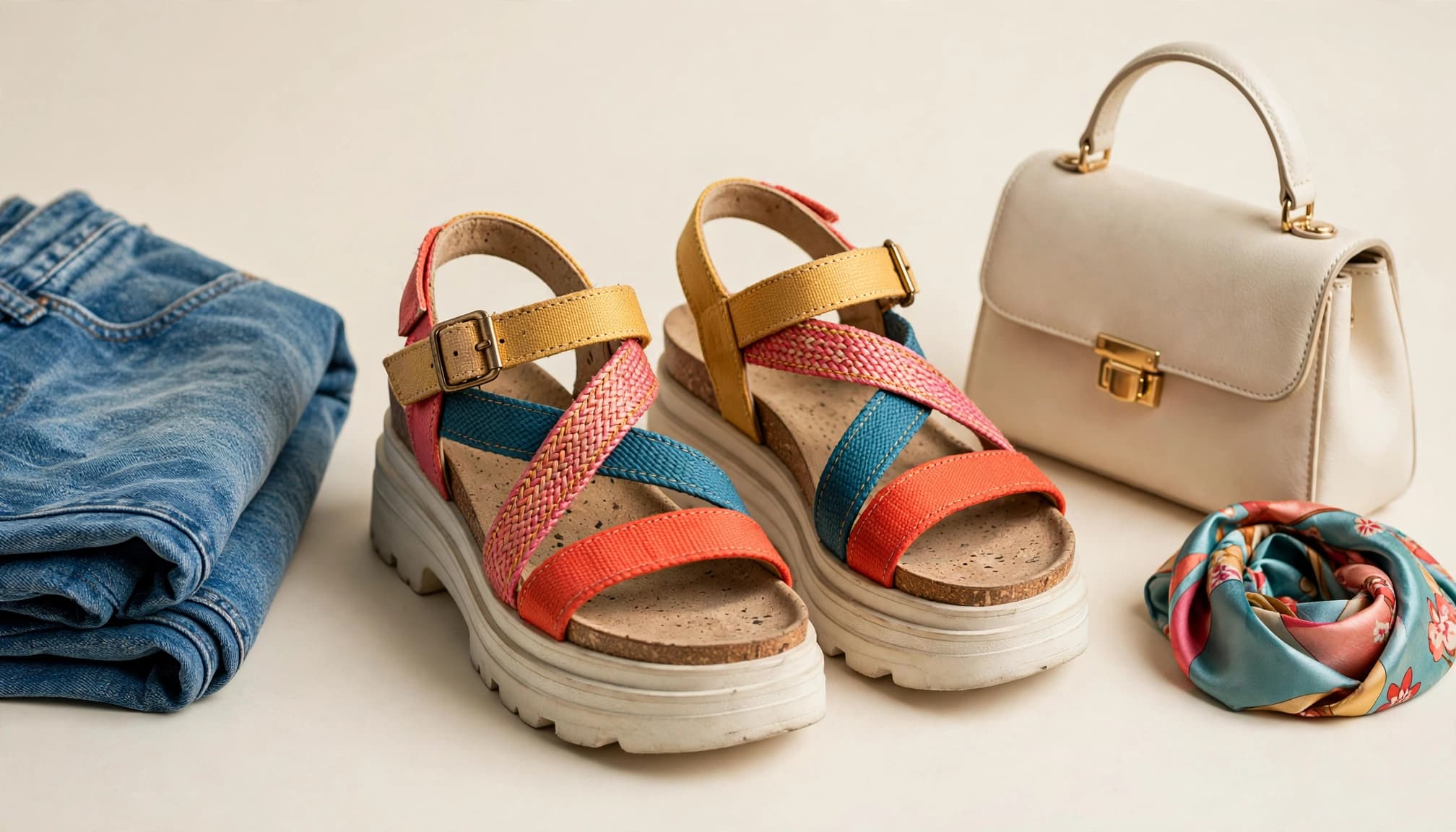
Shoes can shift the mood of an outfit in seconds. A casual midi dress feels sharper with an architectural sandal, while cropped jeans gain personality from an unexpected color or raised sole. For an easy update, Melissa platform sandals can add height and a playful jelly texture to simple warm-weather outfits.
Keep proportions in mind when choosing footwear. Chunkier shoes tend to look balanced with wide-leg pants, relaxed denim, and dresses with some volume. A cleaner, slimmer shoe works well with tailored trousers or outfits that already feature bold details. When the shoes serve as the focal point, repeat one of their colors in a small accessory to make the choice feel deliberate.
Use Proportion to Create Interest
Interesting proportions can make neutral clothing look far more current. Try pairing a fitted tank with loose trousers or wearing a cropped jacket over a longer dress. A half-tuck can define your waist while preserving the relaxed shape of an oversized shirt.
You can also adjust a garment without altering it permanently. Roll a blazer sleeve once or twice to show your wrists, cuff straight-leg jeans above the ankle, or knot a roomy shirt at the waistband. These simple changes create visual breaks, which keep an outfit from looking flat. Before leaving home, check the full silhouette in a mirror from several feet away. The overall balance matters more than any single piece.
Add One Memorable Detail
Choose one detail that gives the outfit a point of view. This might be a sculptural bag, bright shoes, an oversized collar, or a pair of bold earrings. Keeping the main clothing pieces simple gives that feature room to stand out.
The best accessories balance style and function so they look intentional while still fitting your routine. If you carry a laptop or spend the day walking, practicality should remain part of the decision. An eye-catching item earns its place when it can handle real life, not only a carefully posed photo.
Mix Color and Texture With Intention
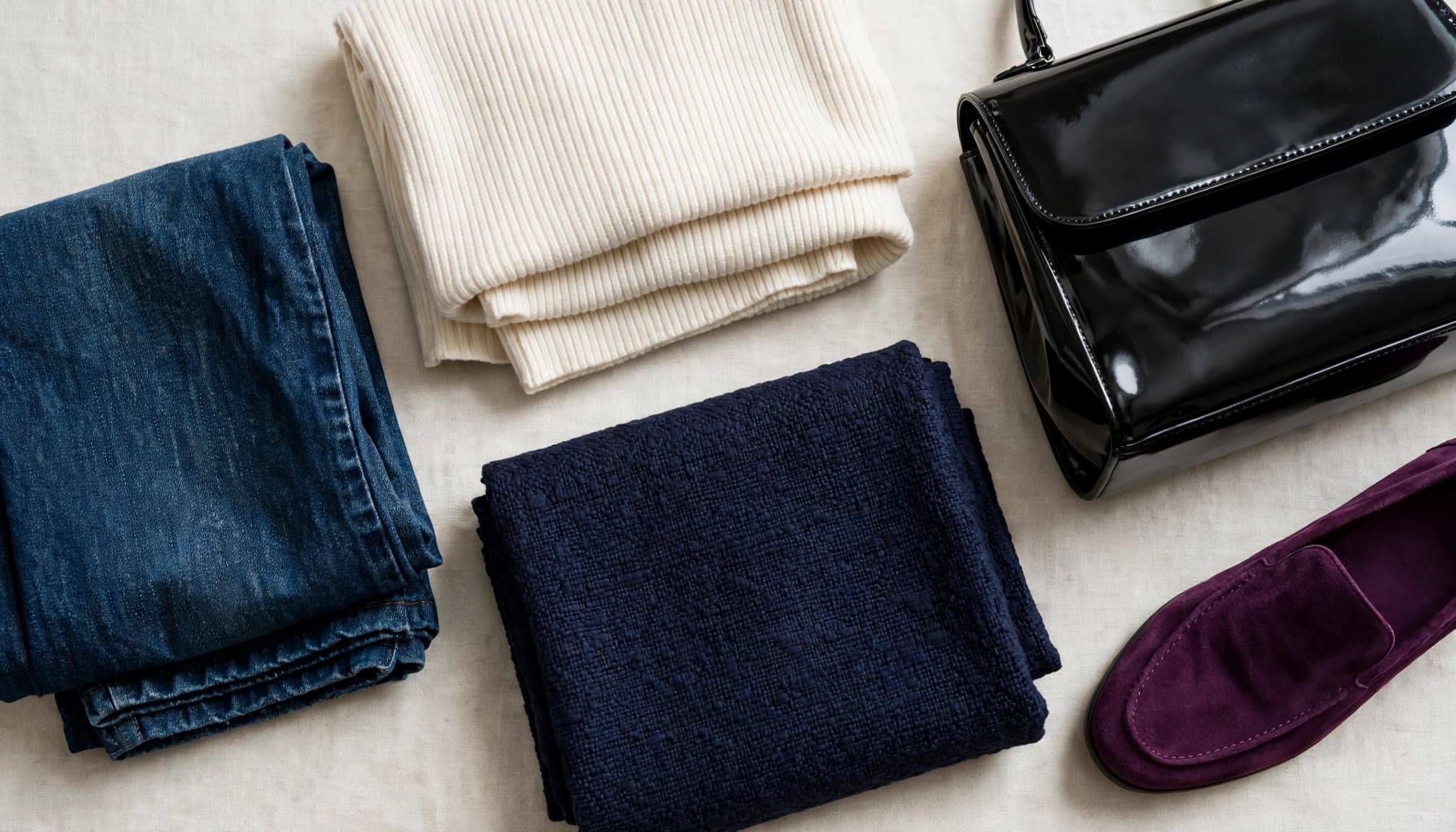
Color becomes easier to wear when you use a simple formula. Start with two neutrals, such as cream and navy, then add one stronger shade through a cardigan, bag, or pair of shoes. Repeating that accent once in a smaller detail creates a connection without making the outfit look overly matched.
Texture brings depth to a limited palette. Denim, ribbed cotton, glossy finishes, and woven materials can all sit together even when the colors are similar. For example, pair a white cotton shirt with cream trousers, then add a smooth colorful shoe.
Give Yourself a Five-Minute Styling Check
Set aside five minutes after getting dressed to make small adjustments. Check that hems fall cleanly, collars sit properly, and undergarments don’t create unwanted lines. Remove lint, wipe your shoes, and steam any area where wrinkles distract from the outfit.
Then take a quick photo at eye level. A picture often reveals proportion issues that are easy to miss in the mirror, such as a top ending at an awkward point or an accessory competing with the neckline. Make one change and stop there. Fashion-forward style often comes from a few precise choices, and knowing when the outfit feels finished is one of them.